

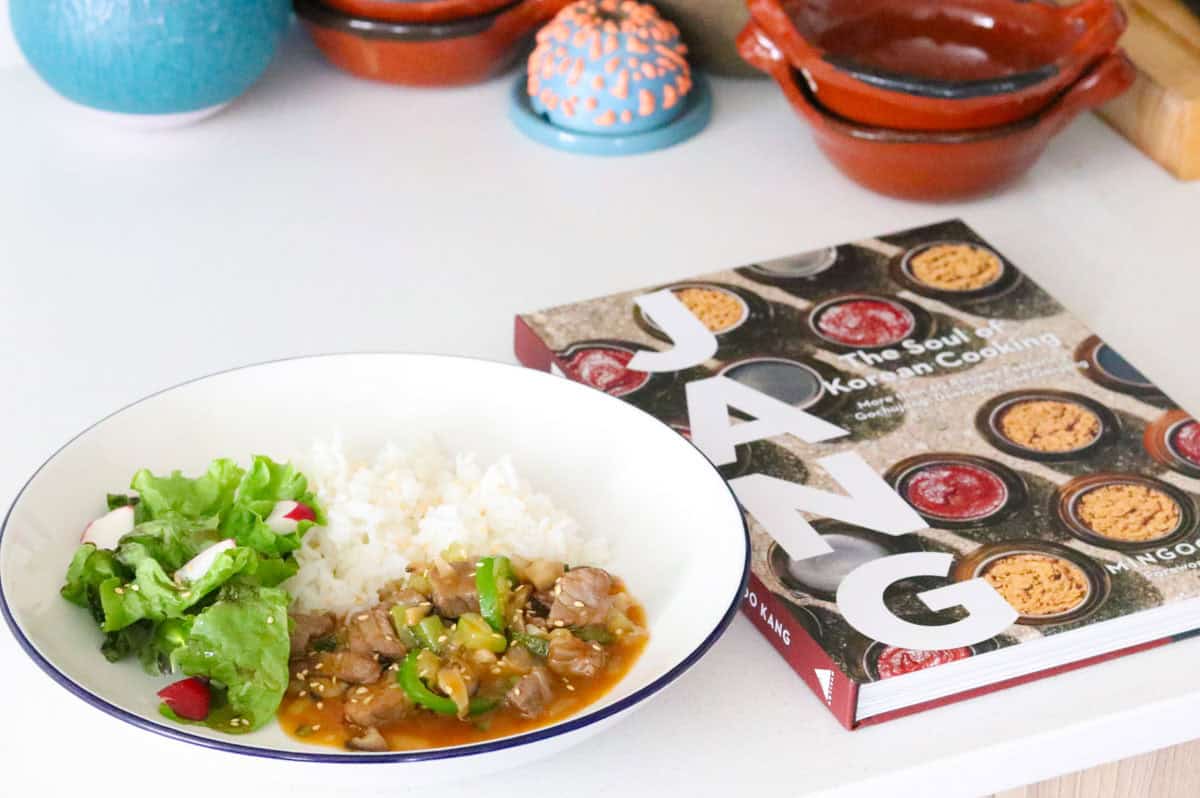
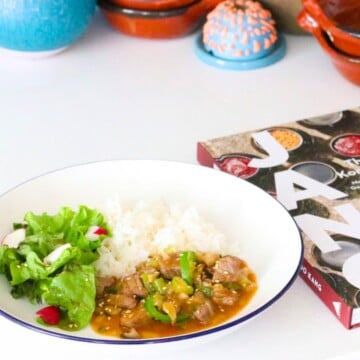
"Bibimbap usually involves mixing vegetables with rice, but in this case, the sauce itself is the main ingredient. Gang means 'thickened' or 'fortified,' and here the doenjang is sufficiently thickened to become the star of the show."
- Mingoo Kang
Got beef?! Then you want Bibimbap. This Gangdoenjang Bibimbap is unlike any bibimbap I've experienced, and trust me, I've had my hands on a few.
I've never seen this particular bibimbap on a menu, so you're probably gonna want to make it yourself. Lucky for us, it doesn't take long, and it's totally worth it. Perfect for busy weeknights!
Jump to:
Learn more about cooking with kids and see what else we've been up to.
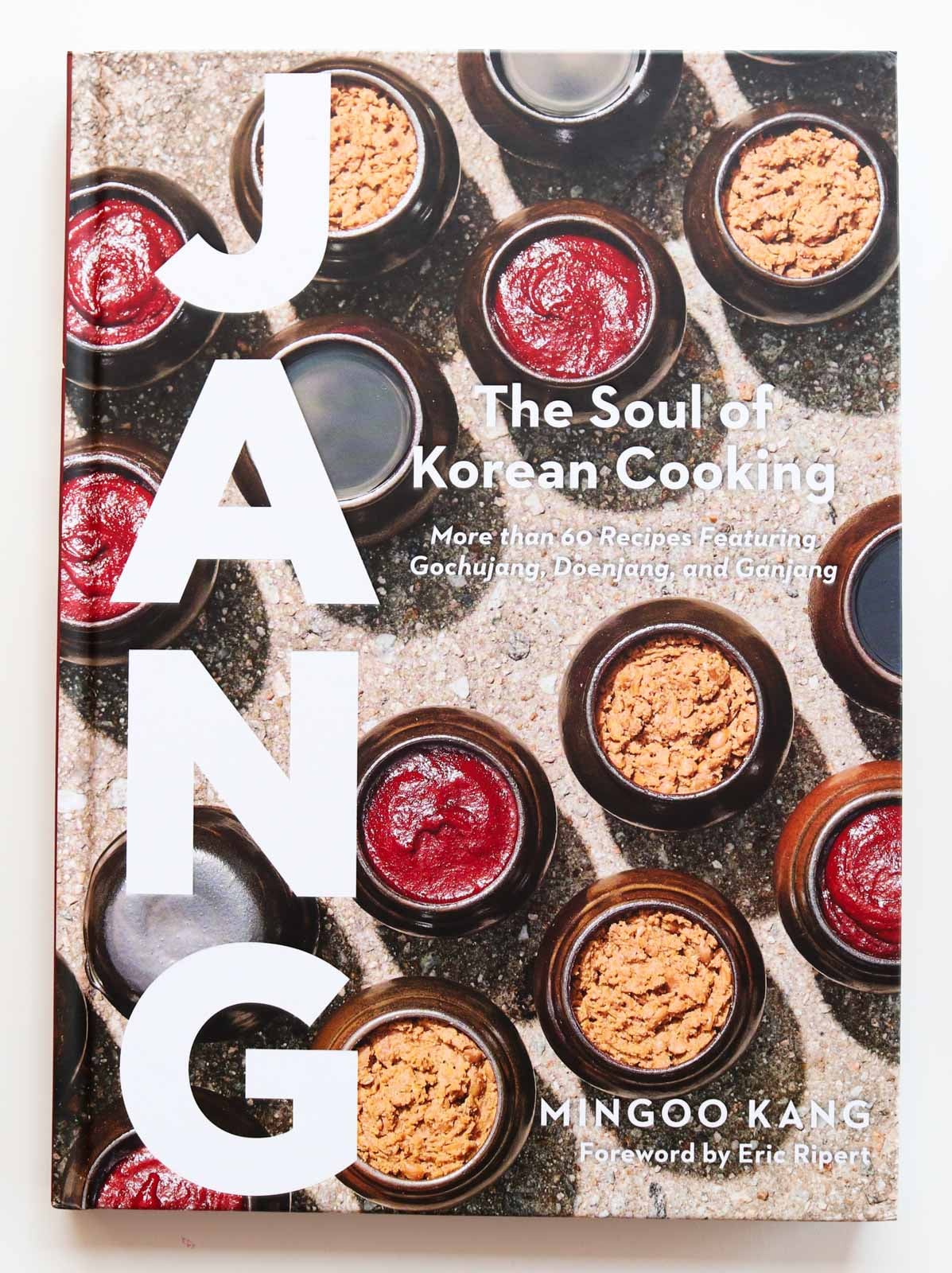
Jang
This gangdoenjang bibimbap recipe is from Jang: The Soul of Korean Cooking by Mingoo Kang.
Imagine trying to understand Italian cooking without olive oil or to unlock French cuisine without butter and cream. It would be impossible. The same is true of jang (which rhymes with 'song') when it comes to Korean cuisine.
I think hansik, or Korean cooking, is one of the most intriguing and dynamic of the world's culinary traditions. (I am biased, but also correct.). That the entirety of Korean cuisine relies on what is to most people a near secret ingredient is one of the last great discoveries in world cookery.
related recipe!
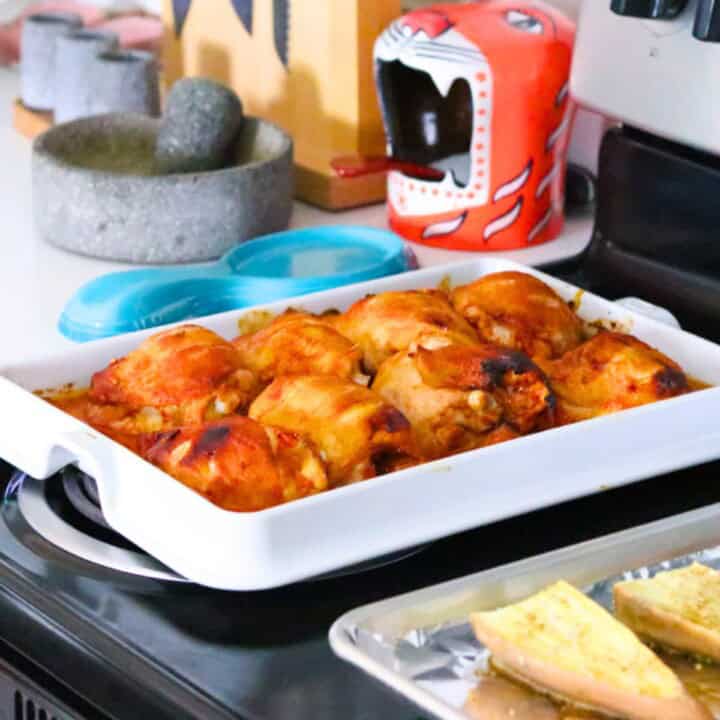
Gochujang Chicken
Meet an amazing Korean chili paste and bathe your favorite parts of a chicken in it.
related recipe!
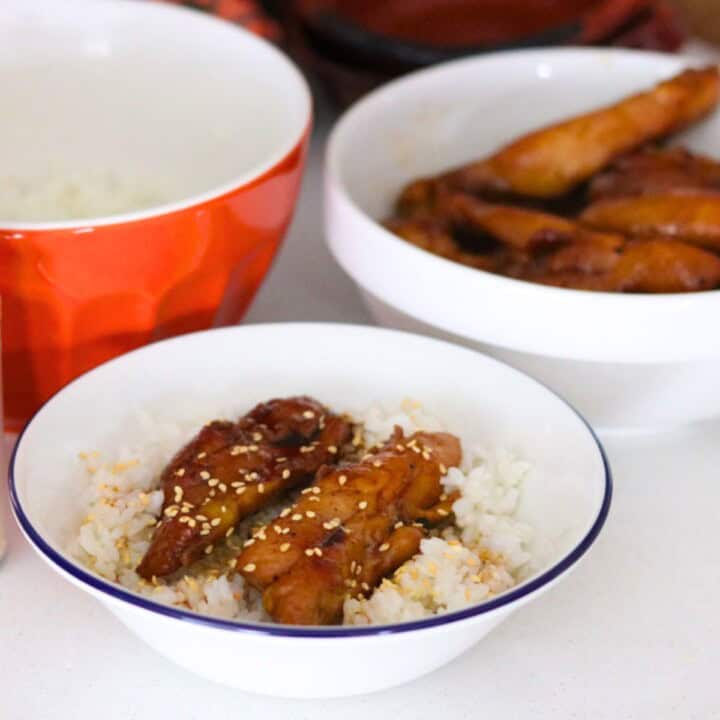
Chicken Teriyaki
Sounds Japanese, but actually a famous Korean American dish ruling the Pacific Northwest.
related recipe!
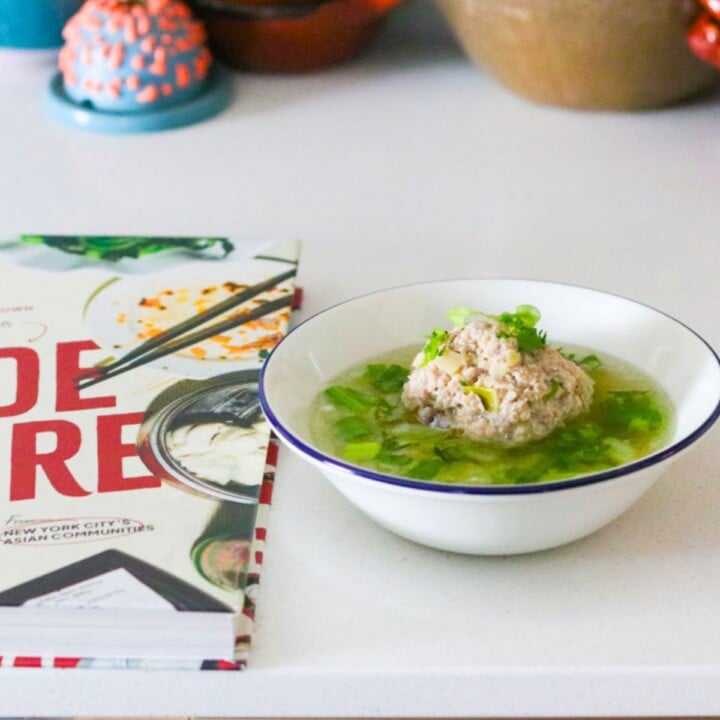
Lion's Head Meatballs
Feel like a true king or queen of your environment with protection, prosperity, and power.

start your journey!
Family & Kids Cooking Resources
Beautiful & diverse books for you!
Gangdoenjang Bibimbap
Ingredients
- anchovy stock - we couldn't find this and found mshroom broth to be a great substitute
- doenjang
- gochujang
- cornstarch
- water
- oil - any neutral oil will work, such as grapeseed or canola and sesame seed oil for serving
- beef - this bibimbap calls for thinly sliced beef shoulder
- radish - daikon radish is preferred, do the best you can
- onion - onion and green onion
- zucchini
- mushrooms - pyogo (shiitake) mushrooms are preferred
- chiles - red chile and green Cheongyang chile or jalapeño
- garlic
- rice - cooked rice for serving
- lettuce leaves
- perilla leaves
- sesame seeds
Food Allergy or Substitution Needed?
Click the button below to ask AI how to alter it for your diet!
Equipment
- prep bowls
- butcher block
- chef knife
- utility knife
- vegetable peeler
- measuring cup
- measuring spoons
- spoon
- whisk (optional)
- wok or large pot
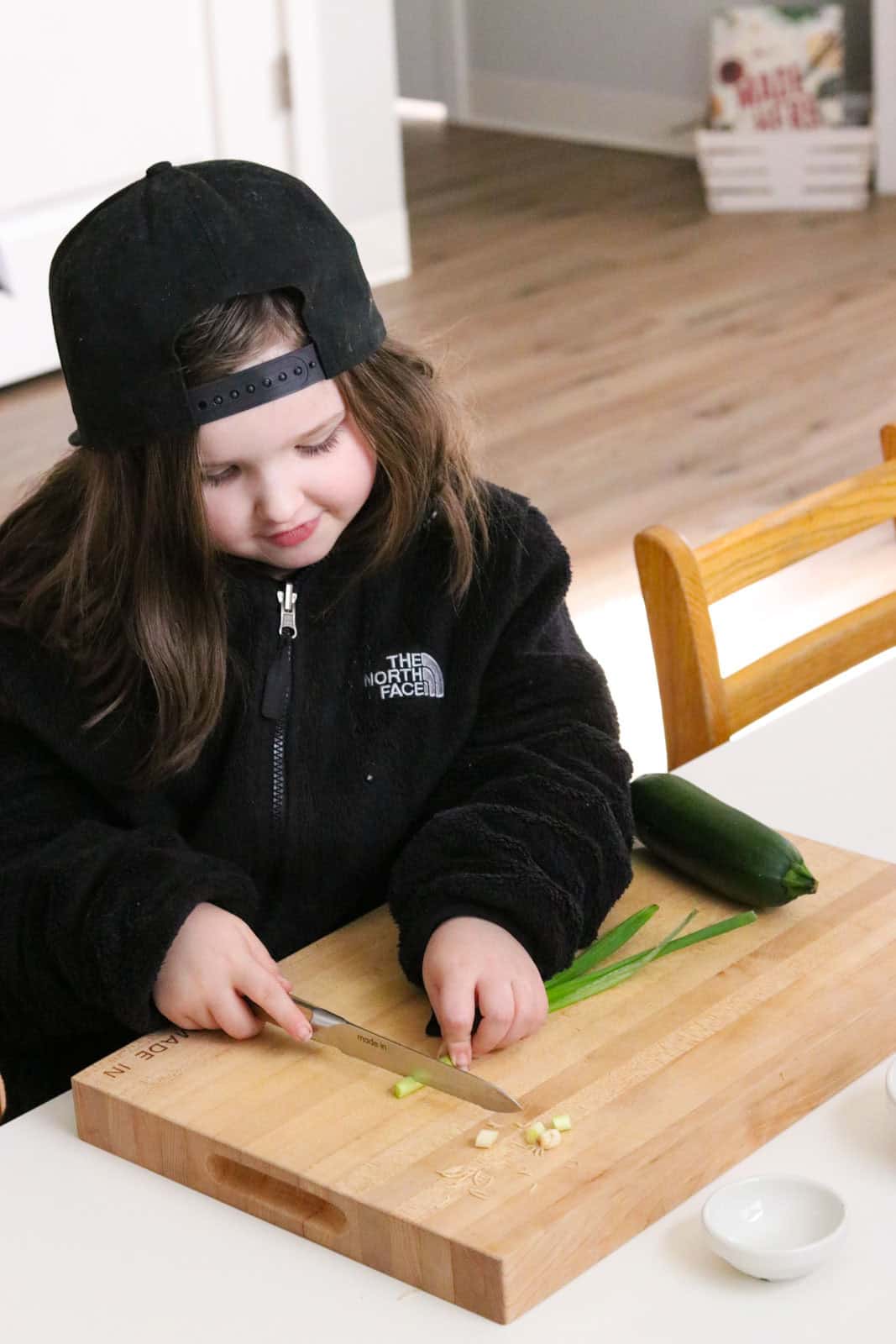
Prep the Vegetables
Wash your hands with soap and water. Use a peeler to peel the radish. Use a knife and a cutting board to dice the radish, onions, zucchini, mushrooms, and garlic.
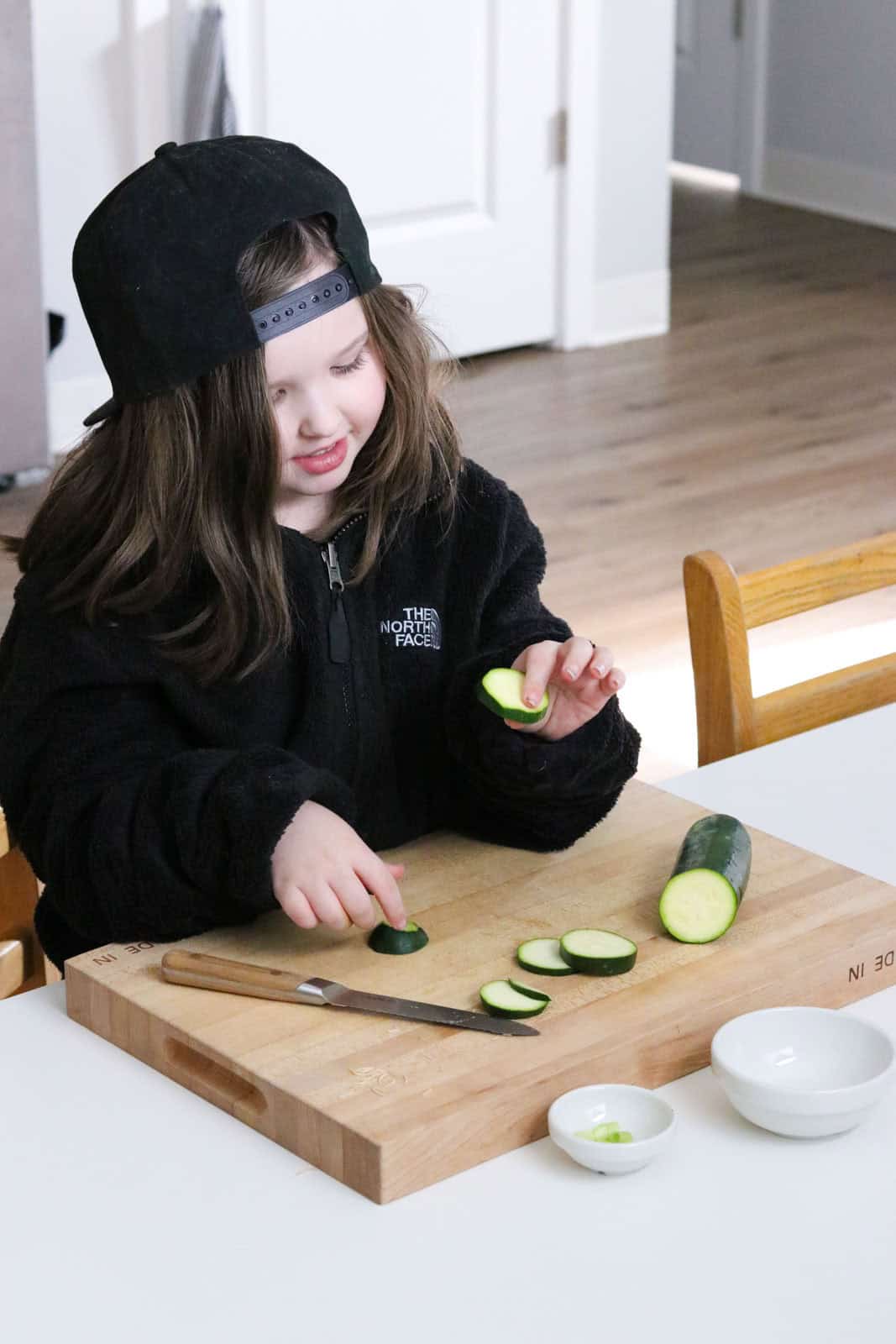
Thinly slice the chiles. Place everything in clean bowls.
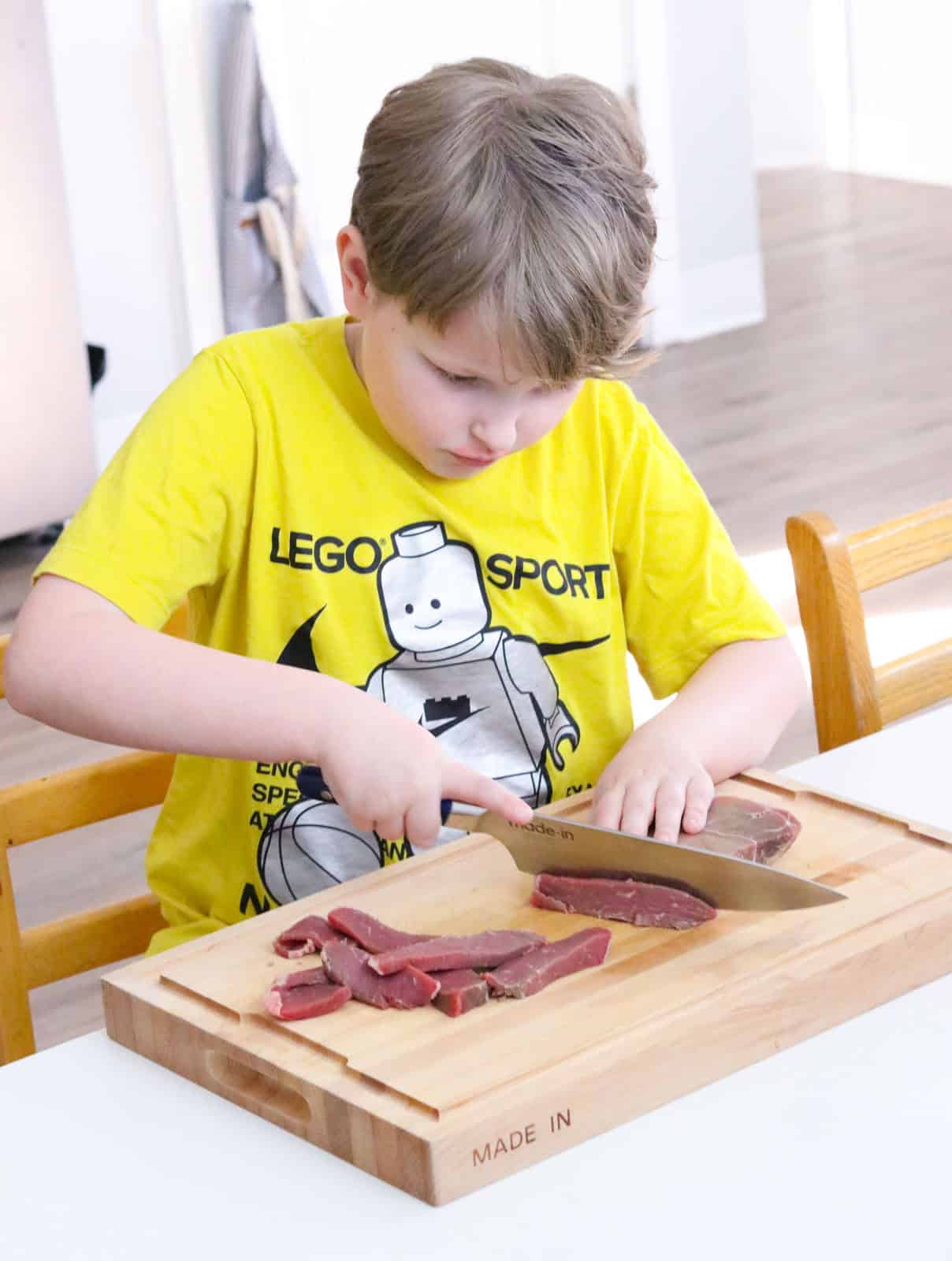
Prep the Beef
Use a knife and a cutting board to thinly slice the beef shoulder. Set it aside.

Mix the Stock, Doenjang, and Gochujang
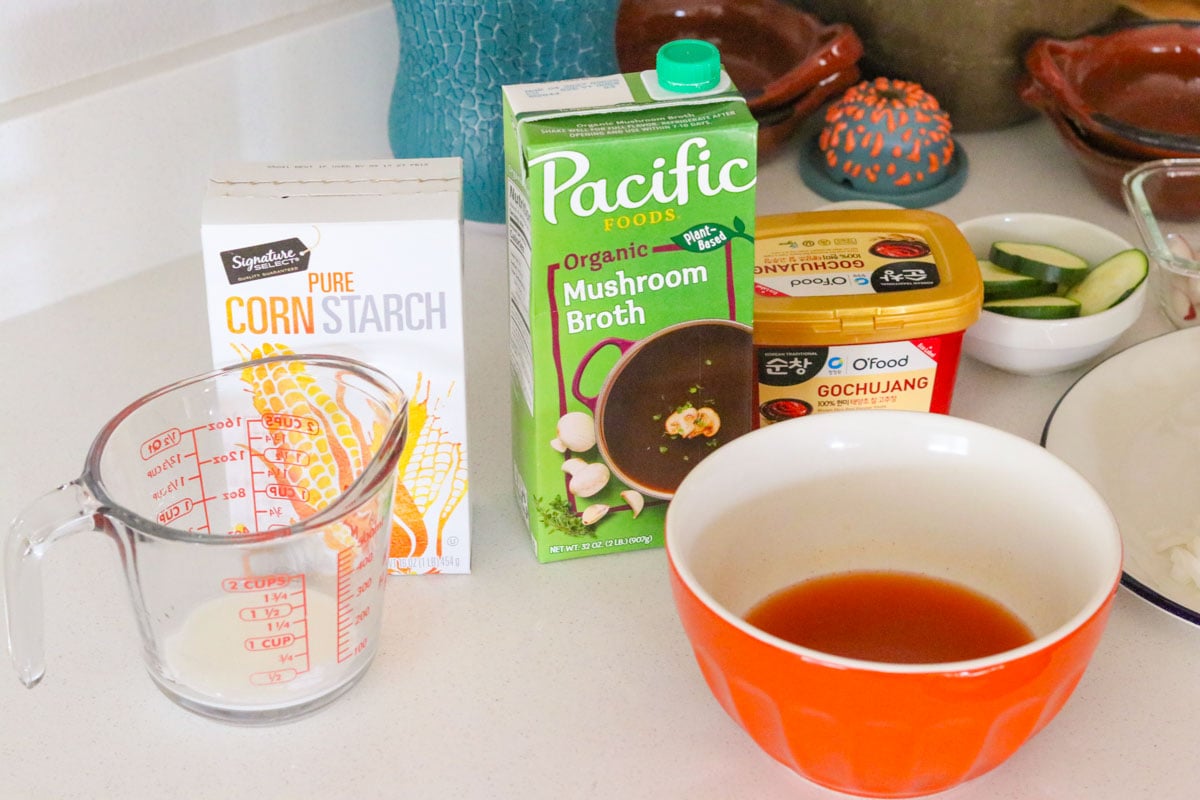
Use a measuring cup to pour the stock into a clean bowl. Use measuring spoons to add the doenjang and gochujang to the bowl. Use a spoon or whisk to combine. Set it aside.
Create a Cornstarch Slurry
In a separate bowl, add the cornstarch and water. Use a spoon or whisk to combine for a cornstarch slurry. Set it aside.
Stir-Fry the Beef
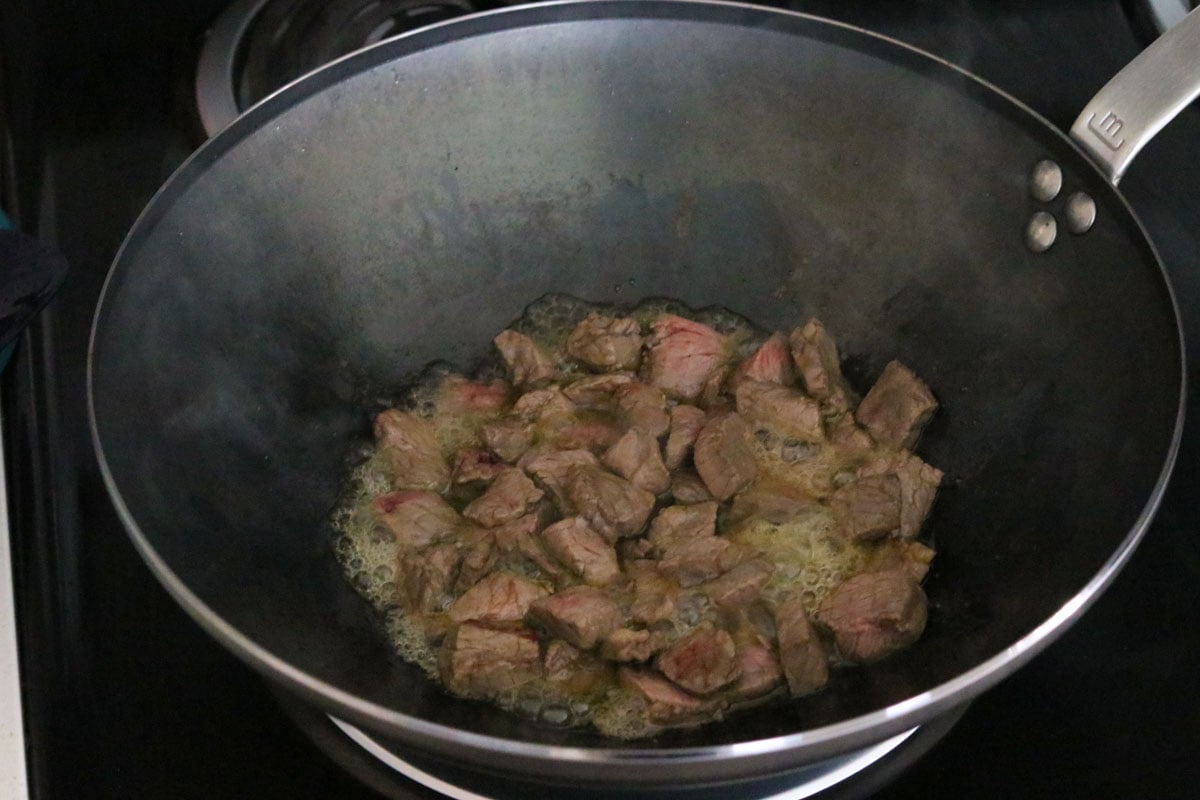
Heat the wok over medium heat. Add the oil. Once the oil is shimmering, add the beef. Stir-fry for about 1 minute.
Add the Daikon & Onion
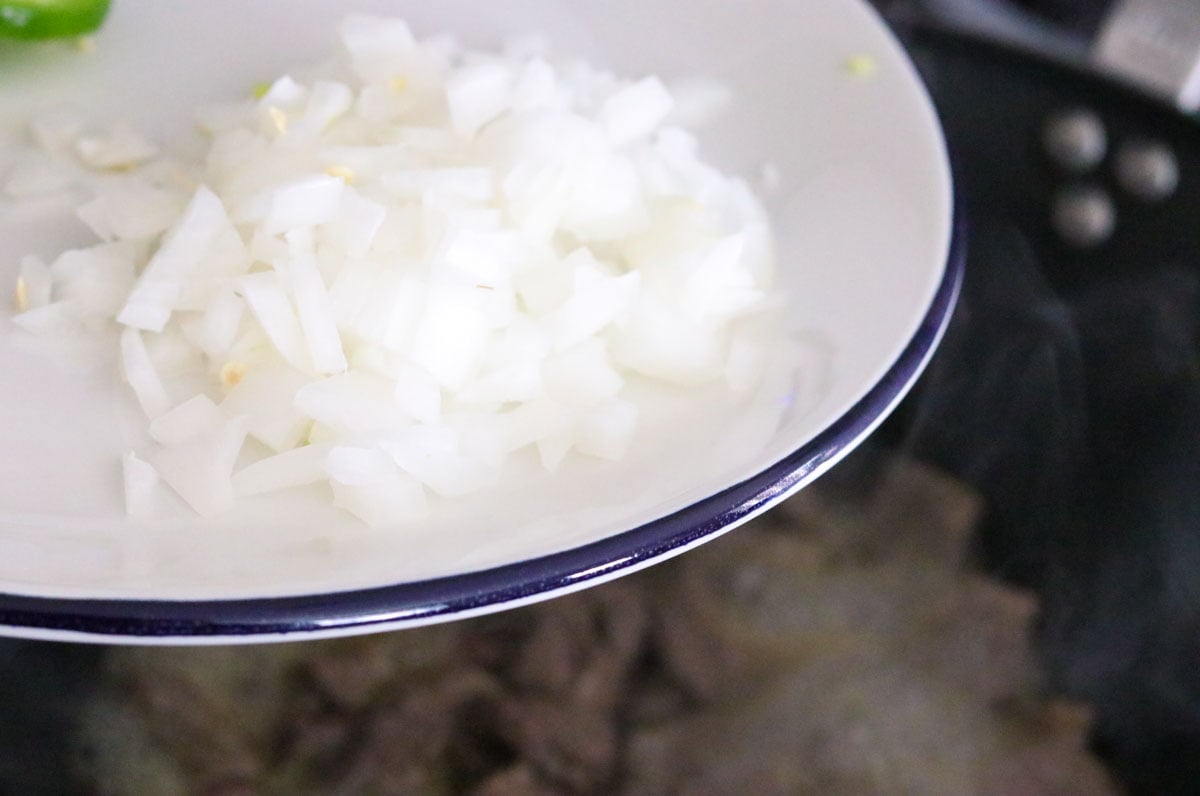
Add the daikon and onion to the wok. Stir continuously for 2 minutes, cooking until they are softened.
Add the Zucchini & Mushrooms
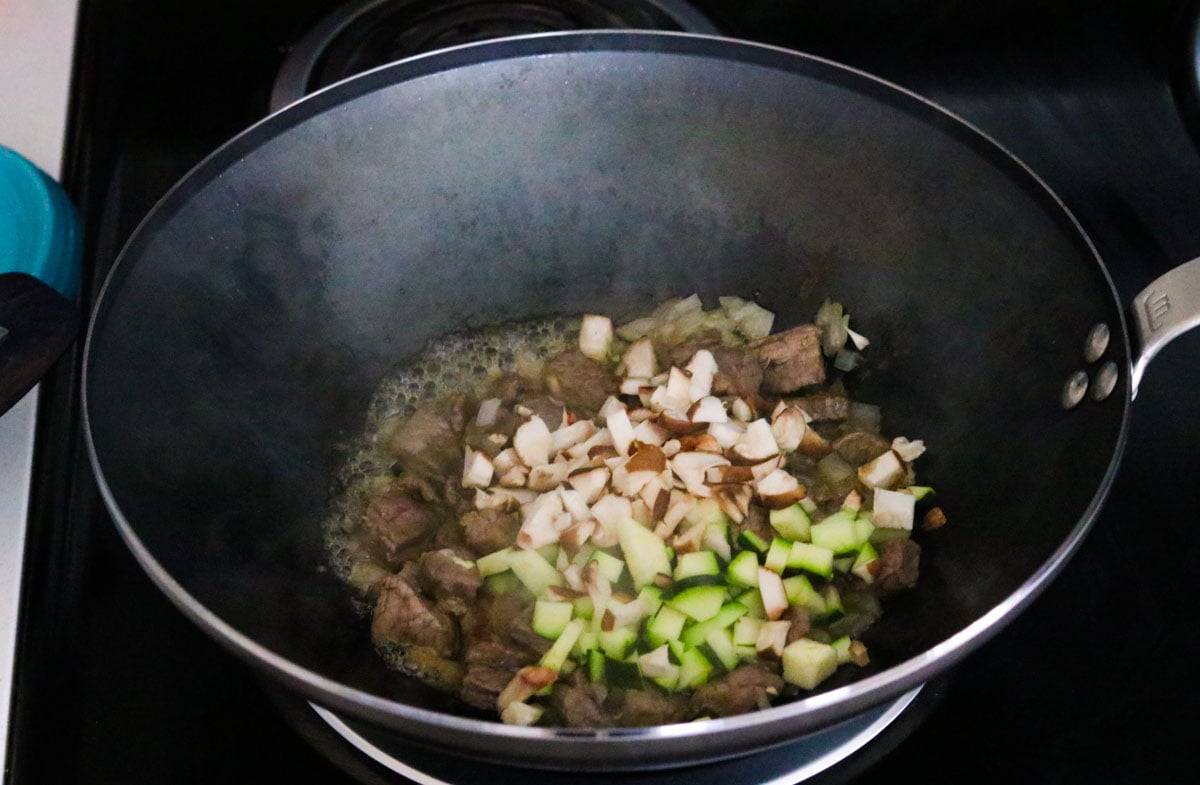
Add the zucchini and mushrooms to the wok. Give it a stir and cook for 2 minutes.
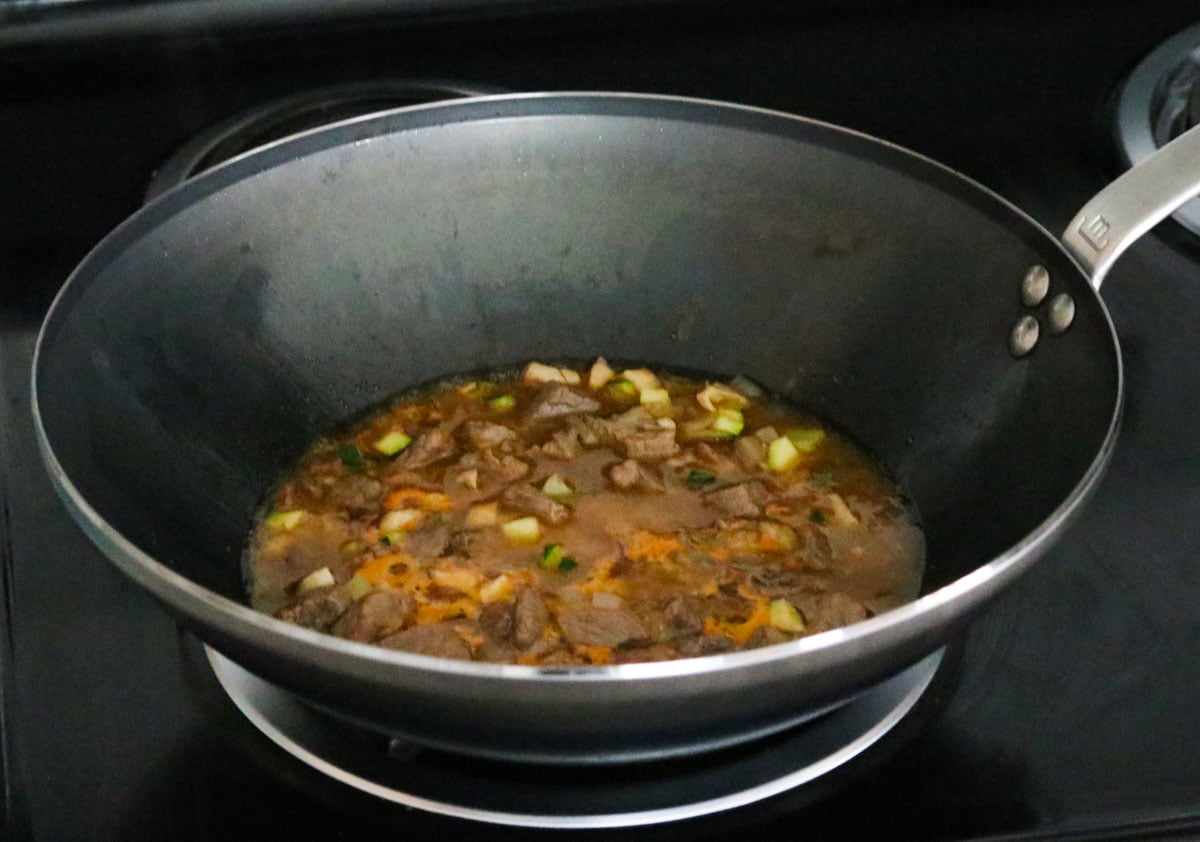
Add the Stock
Add the stock mixture to the wok, little by little while stirring. Scrape up any vegetables or meat stuck to the bottom of the wok.
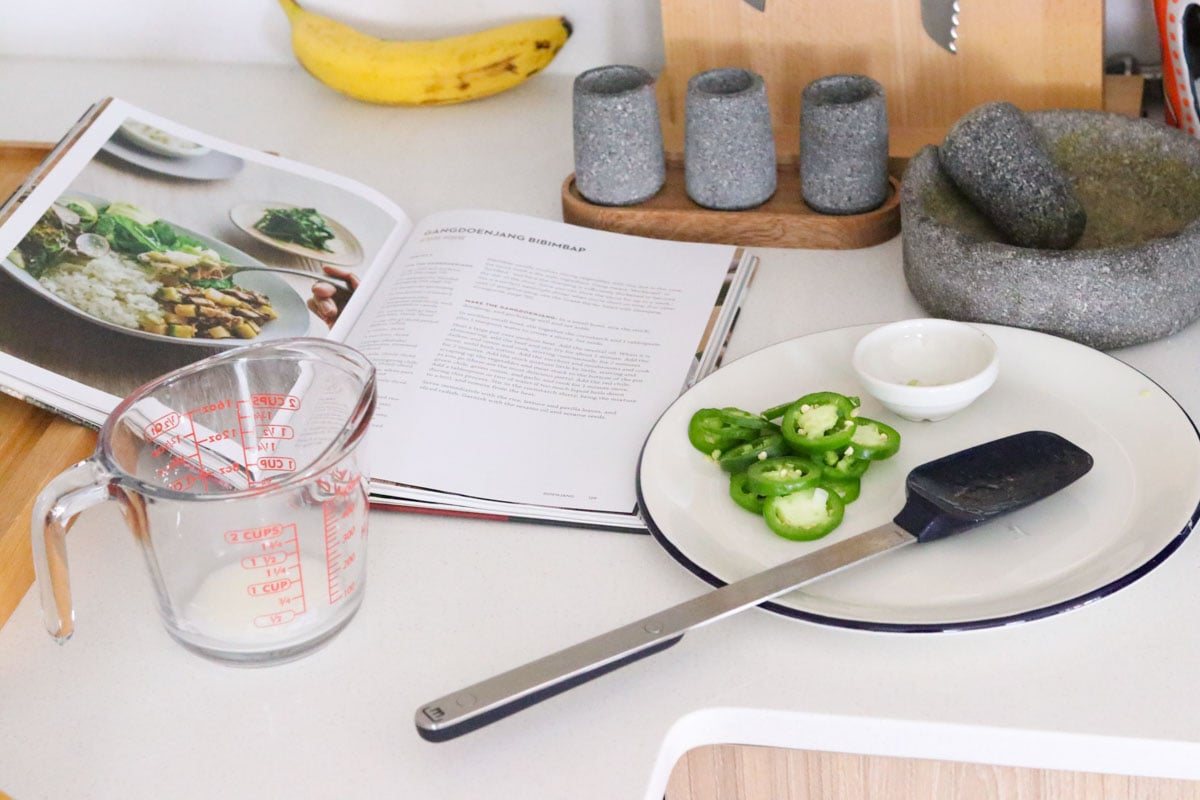
Add the Chiles, Green Onion, & Garlic
Add the chiles, green onion, and garlic. Cook for 1 minute. Add a tablespoon or two of water if too much liquid boils down.
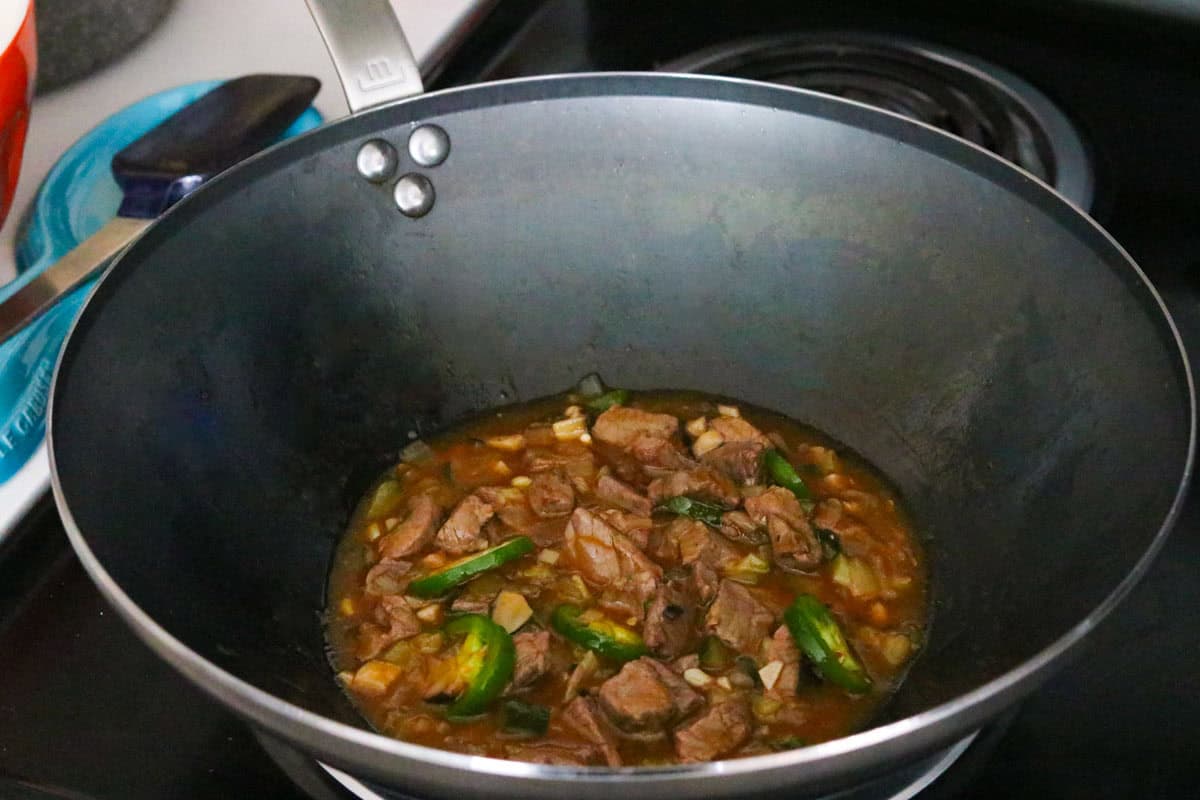
Stir in the Cornstarch Slurry
Stir in the cornstarch slurry. Turn the heat to high. Once boiling, remove from the heat and turn off the stove.

Serve with the Rice, Lettuce, Perilla Leaves, & Radish
Serve the cooked beef mixture with the rice, lettuce and perilla leaves, and sliced radish. Garnish with sesame oil and sesame seeds as desired.
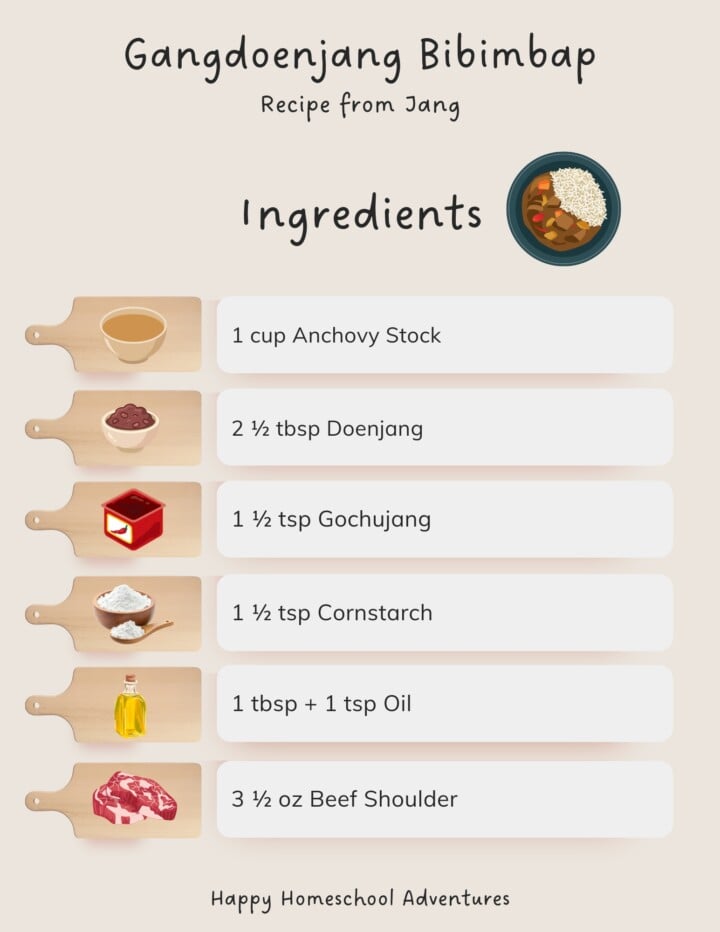
free recipe!
Gangdoenjang Bibimbap
A unique bibimbap with not one but two jangs.
Grab your free printable recipe cards above. Kids can gather ingredients using the ingredient list, gather their equipment with the tools list, and prepare the meal using the step-by-step recipe cards, with assistance as needed.
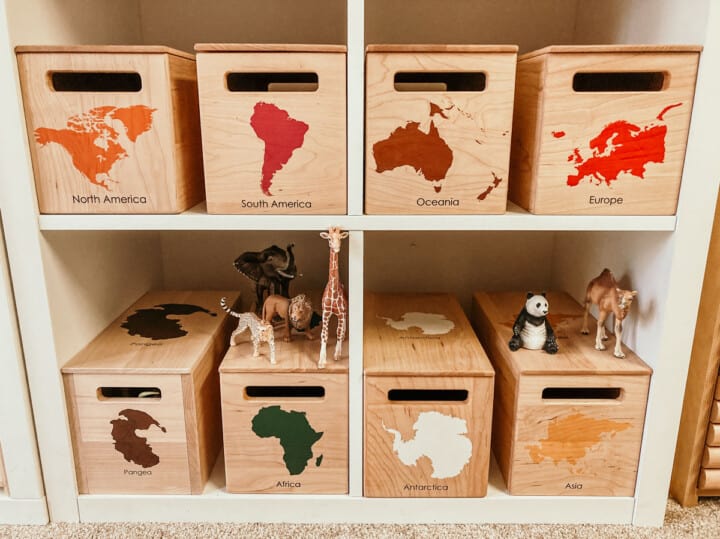
The cards are easy to use, include pictures, and encourage confidence and independence in the kitchen. They also make an excellent addition to your Montessori continent box for Asia.
Montessori Continent Boxes
Explore every continent with these solid maple hardwood boxes.
Gangdoenjang Bibimbap
Equipment
- Spoon
- Whisk optional
- Blue Carbon Steel Wok or large pot
Ingredients
For the Gangdoenjang
- 1 cup anchovy stock
- 2 ½ tablespoon doenjang blended
- 1 ½ teaspoon gochujang
- 1 ½ teaspoon cornstarch
- 1 tablespoon neutral oil
- 1 teaspoon neutral oil
- 3 ½ oz beef shoulder thinly sliced
- ½ cup daikon radish diced peeled
- ¼ onion diced
- ⅓ zucchini diced
- 3 shiitake mushrooms stemmed and diced
- 1 red chile thinly sliced
- 1 green Cheongyang chile or jalapeño, thinly sliced
- ⅓ green onion white part only, finely diced
- 1 clove garlic finely diced
To Serve
- 2 cups cooked rice
- 2 lettuce leaves cut into 2-inch squares
- 12 perilla leaves cut into 2-inch squares
- 1 red radish thinly sliced
- ½ teaspoon toasted sesame oil for garnish
- 1 pinch sesame seeds for garnish

Instructions
- Prep the Vegetables: Wash your hands with soap and water. Use a peeler to peel the radish. Use a knife and a cutting board to dice the radish, onions, zucchini, mushrooms, and garlic. Thinly slice the chiles. Place everything in clean bowls.
- Prep the Beef: Use a knife and a cutting board to thinly slice the beef shoulder. Set it aside.
- Mix the Stock, Doenjang, and Gochujang: Use a measuring cup to pour the stock into a clean bowl. Use measuring spoons to add the doenjang and gochujang to the bowl. Use a spoon or whisk to combine. Set it aside.
- Create a Cornstarch Slurry: In a separate bowl, add the cornstarch and water. Use a spoon or whisk to combine for a cornstarch slurry. Set it aside.
- Stir-Fry the Beef: Heat the wok over medium heat. Add the oil. Once the oil is shimmering, add the beef. Stir-fry for about 1 minute.
- Add the Daikon & Onion: Add the daikon and onion to the wok. Stir continuously for 2 minutes, cooking until they are softened.
- Add the Zucchini & Mushrooms: Add the zucchini and mushrooms to the wok. Give it a stir and cook for 2 minutes.
- Add the Stock: Add the stock mixture to the wok, little by little while stirring. Scrape up any vegetables or meat stuck to the bottom of the wok.
- Add the Chiles, Green Onion, & Garlic: Add the chiles, green onion, and garlic. Cook for 1 minute. Add a tablespoon or two of water if too much liquid boils down.
- Stir in the Cornstarch Slurry: Stir in the cornstarch slurry. Turn the heat to high. Once boiling, remove from the heat and turn off the stove.
- Serve with the Rice, Lettuce, Perilla Leaves, & Radish: Serve the cooked beef mixture with the rice, lettuce and perilla leaves, and sliced radish. Garnish with sesame oil and sesame seeds as desired.
Notes
- The sauce can be stored in an airtight container in the fridge for up to a week
- Cook to a minimum temperature of 130 °F for medium-rare, 135 °F for medium steak
- Do not use the same utensils on cooked food that previously touched raw meat
- Wash hands after touching raw meat
- Never leave cooking food unattended
- Use oils with high smoking point to avoid harmful compounds
- Always have good ventilation when using a gas stove
- See more guidelines at USDA.gov.
- Full Lesson Info and Pictures at: https://happyhomeschooladventures.com/bibimbap
Nutrition
Estimated nutrition information is provided as a courtesy and is not guaranteed.



Leave a Reply