
"The classic story of its origins is that the dish was invented in a Roman trattoria on the via della Scrofa near the Tiber by Alfredo di Lelio, who opened his restaurant in the early part of the twentieth century. He invented the dish for his wife, it is said, after she gave birth and lost her appetite. It became famous after Hollywood stars Douglas Fairbanks and Mary Pickford ate at Alfredo's in 1927 and raved about his preparation called fettuccine Alfredo."
- Clifford A. Wright
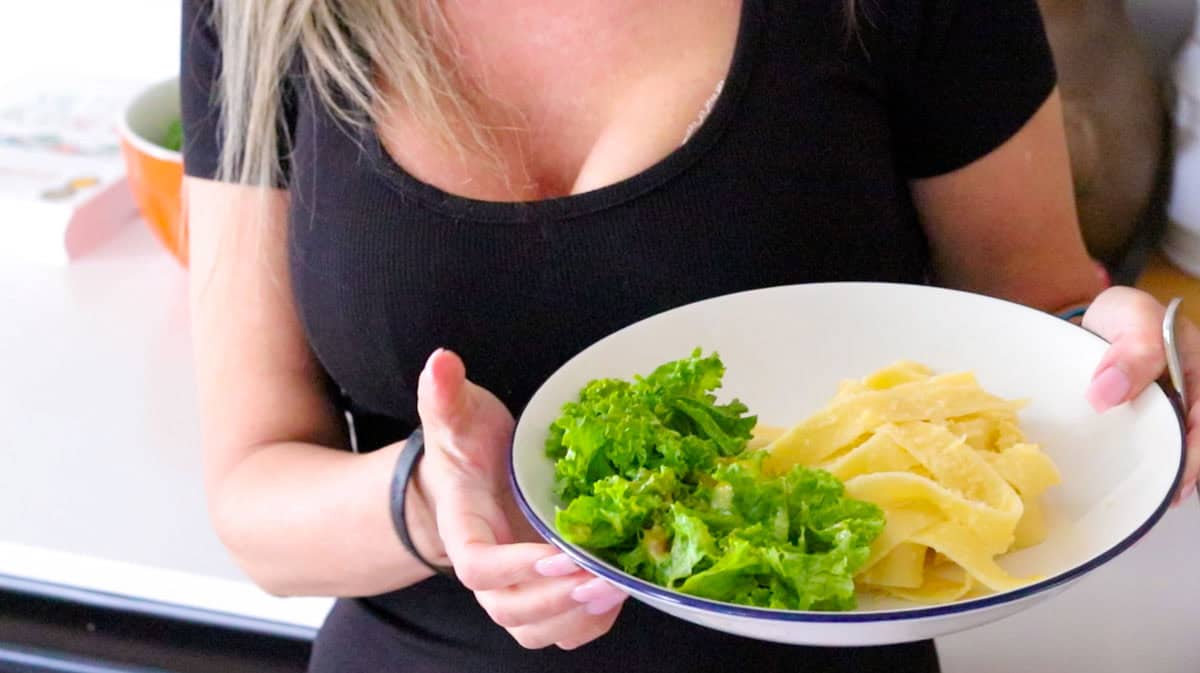
An Italian Feast is right! We made Fettuccine Alfredo from Rome, and boy, was it slippery. There's so much butter involved, and combined with one of our favorite cheeses, it really coats the pasta.
Noah and I have a theory, though.
We don't think the wife of the fettuccine man really lost her appetite, causing him to create this dish for her. We think she was having a full-on craving for butter and used the fettuccine as a vehicle to satisfy herself.
Jump to:
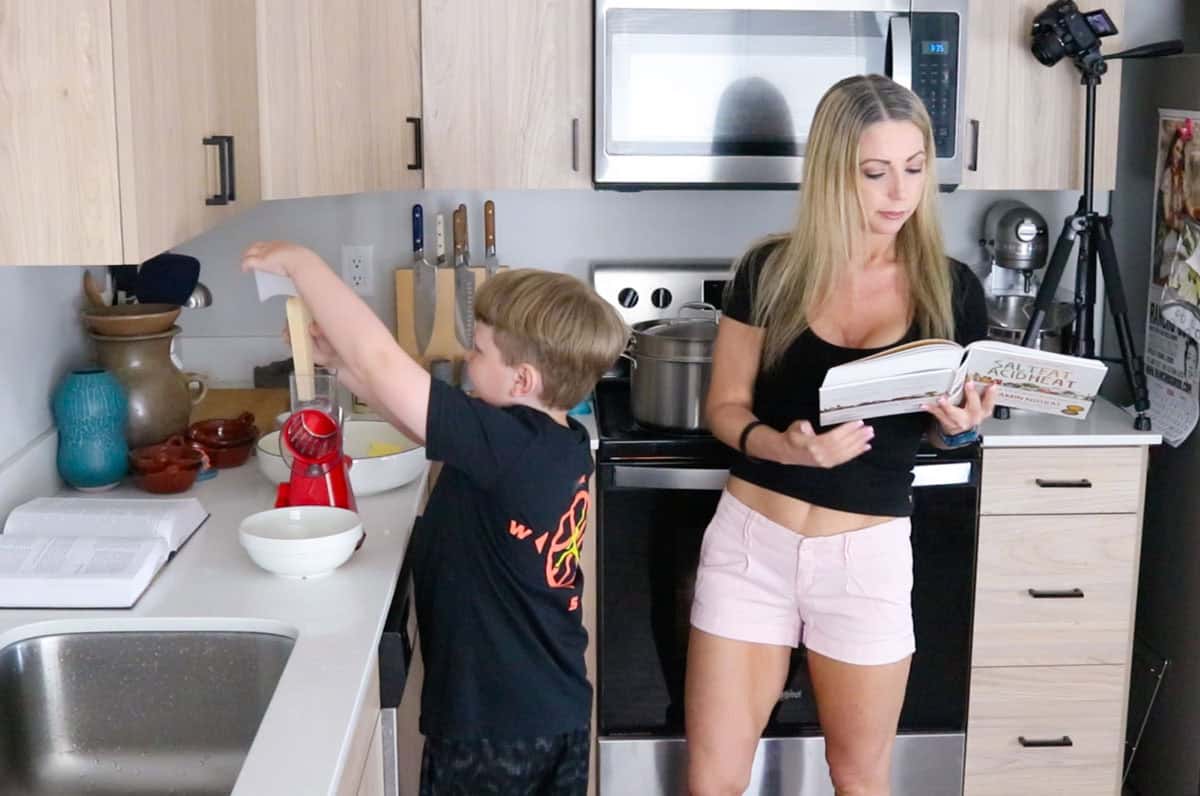
Learn more about cooking with kids and see what else we've been up to.

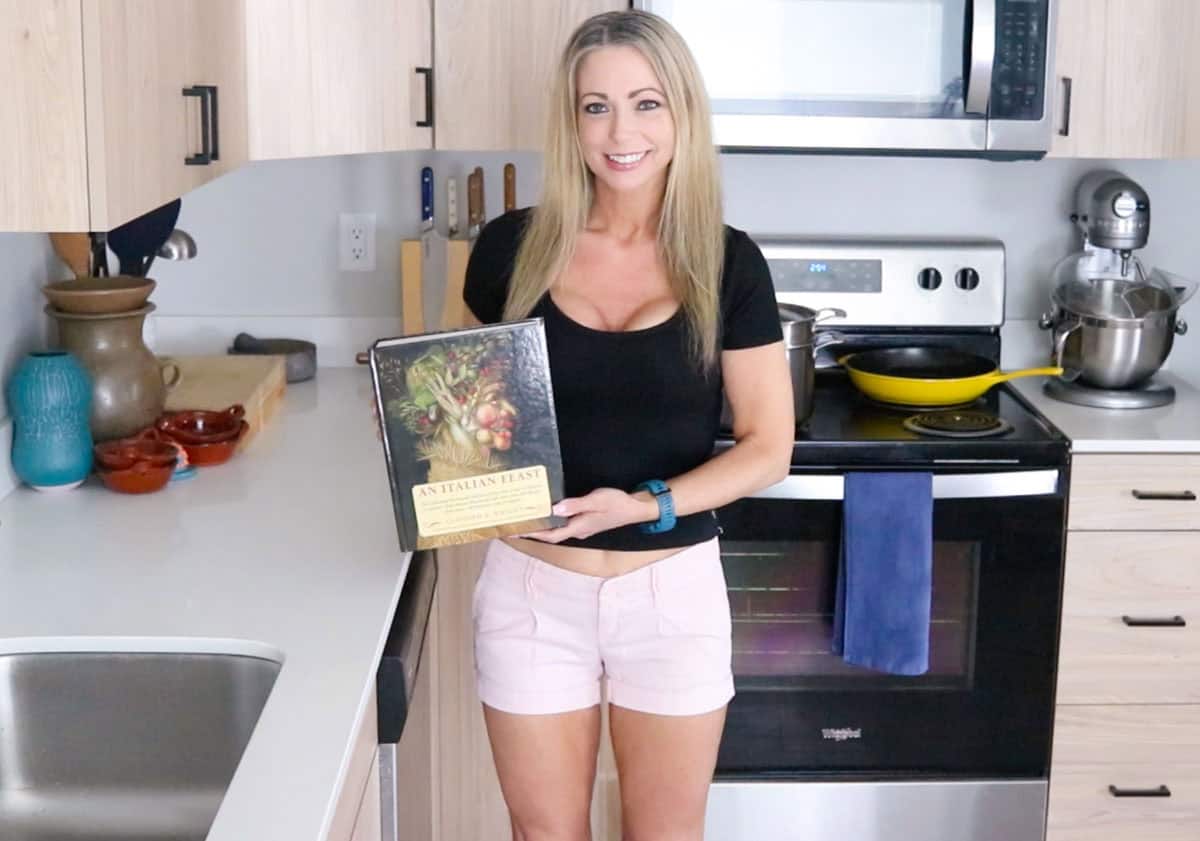
An Italian Feast
This fettuccine alfredo recipe is from An Italian Feast: The Celebrated Provincial Cuisines of Italy from Como to Palermo, a Culinary Vade Mecum Illustrated with More than 800 Recipes from Italy's 109 Provinces and 20 Regions by Clifford A. Wright.
It was in America that cream started entering the recipe and that fettuccine Alfredo began its descent to a thick, heavy glop of pasta. The original, although meant to be rich, was also light and silky because all that was used was butter and Parmesan cheese; cream and eggs were never meant to be used.
Having quoted that, American fettuccine alfredo is my Italian brother's favorite dish, and far from a restaurant-only dish. Keep your own counsel.

related recipe!
Stuffed Eggplant
Cugghiune dell'Ortolano or The Farmhand's Testicles.

related recipe!
Pasta Assassina
Resist the urge to stir. It does not like to be messed with.
Fettuccine Alfredo Recipe
Many recipes will ask you to cook pasta until it is al dente. Al dente means 'to the tooth' in Italian. It means that the pasta should be cooked to the point where it's soft, but it should still have a bite to it in the center.
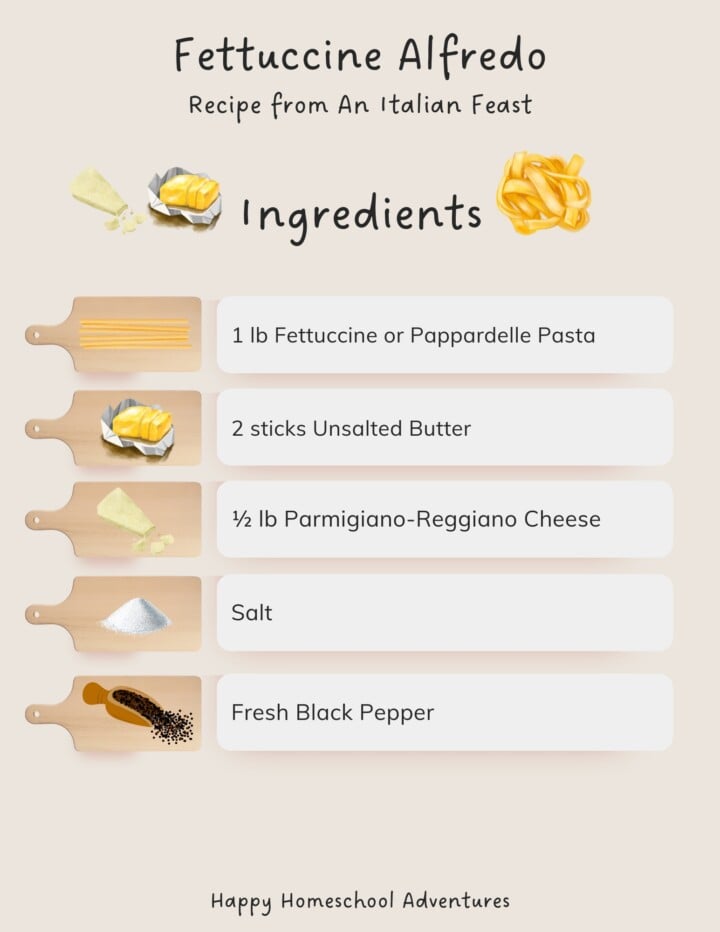
Ingredients
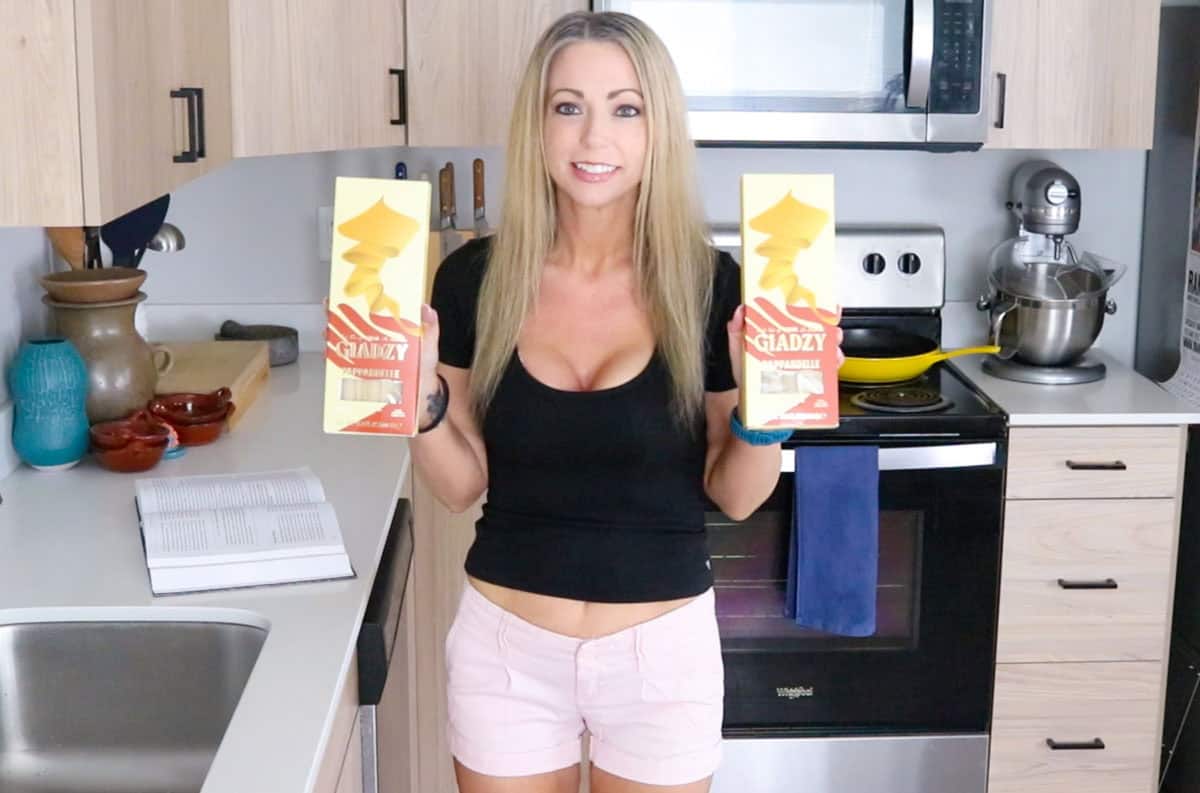
- pasta - we like this pappardelle pasta and its size, but traditional fettuccine or other long pasta will work. Fresh is best, but I'm a box pasta girl
- butter - unsalted butter, and a lot of it
- cheese - Parmigiano-Reggiano is a must to make this dish come together
- pepper - freshly ground black pepper is optional. We opted out, mostly because our molcajete is in need of repair
Food Allergy or Substitution Needed?
Click the button below to ask AI how to alter it for your diet!

shop Italian!
Giadzy
Italian superfoods, recipes, gift boxes, & more by Giada De Laurentiis
Equipment
- prep bowls
- chef knife or butter knife
- butcher block
- stock pot
- pasta insert (optional)
- cheese grater
- wooden spoon or tongs
- molcajete (optional)
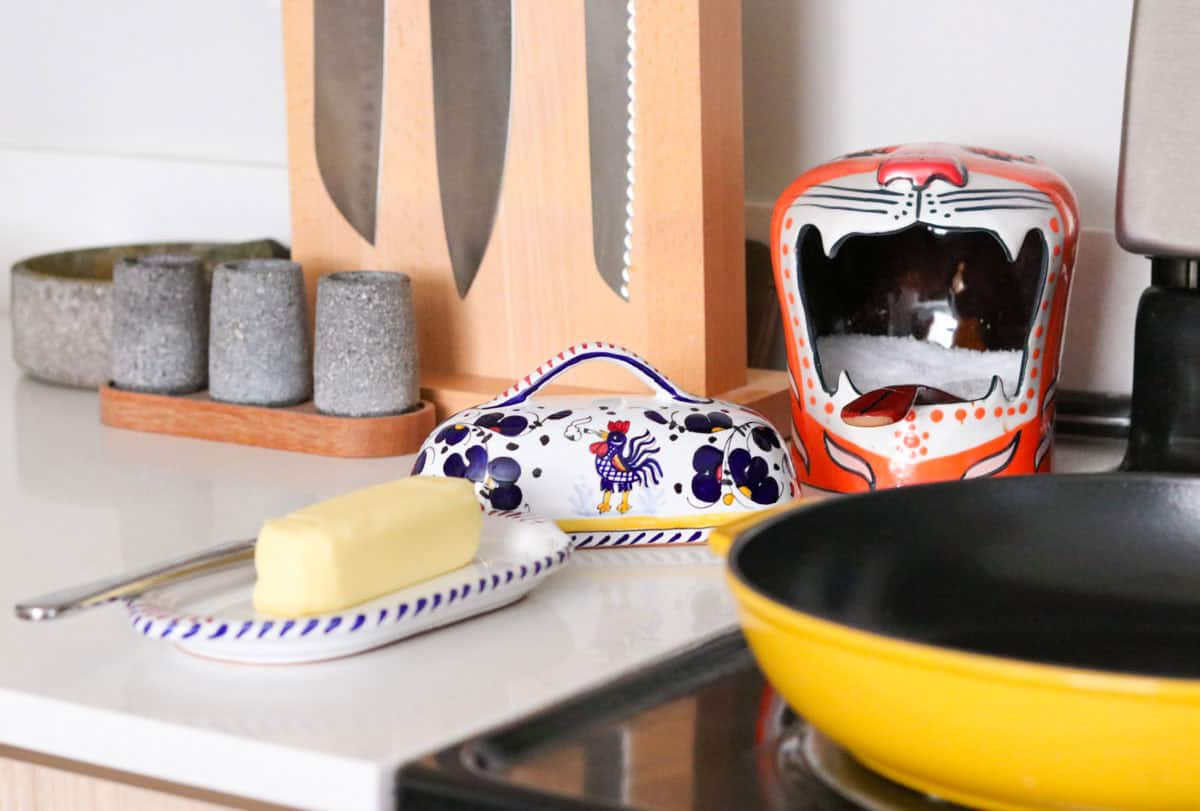
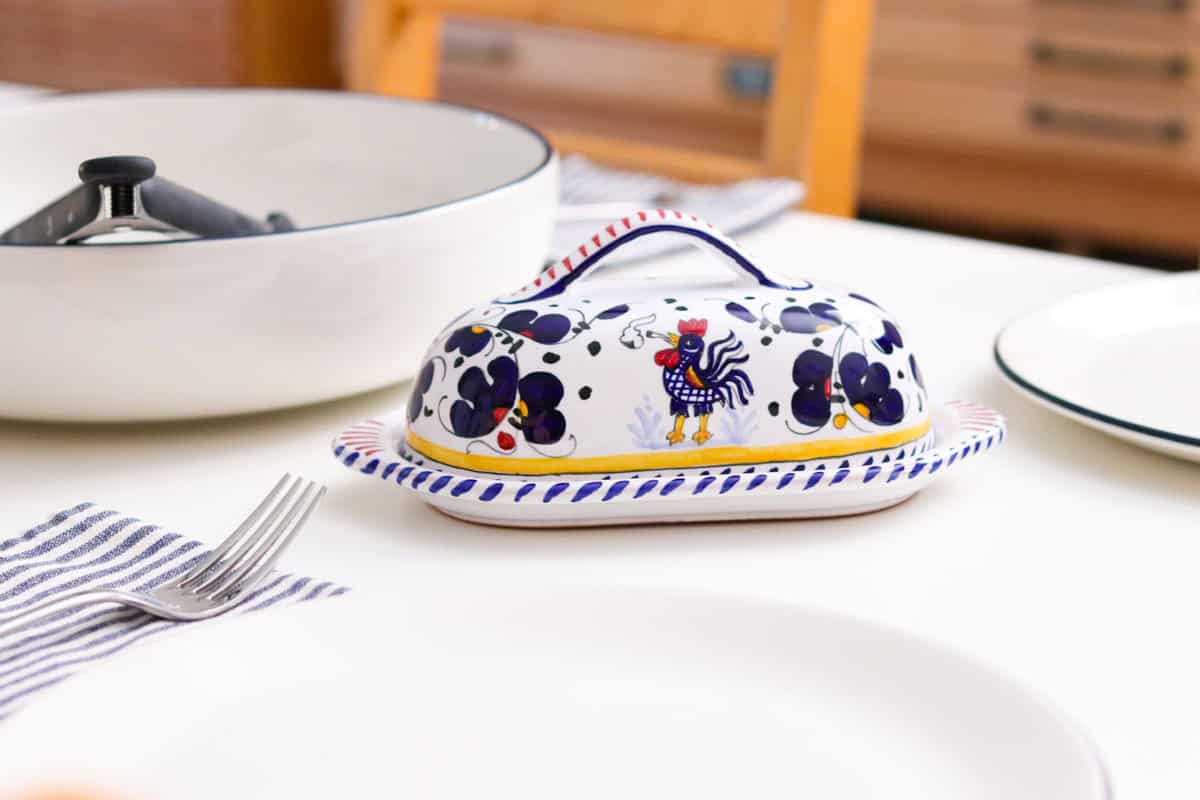
- a nice butter dish to showcase a staple (optional)
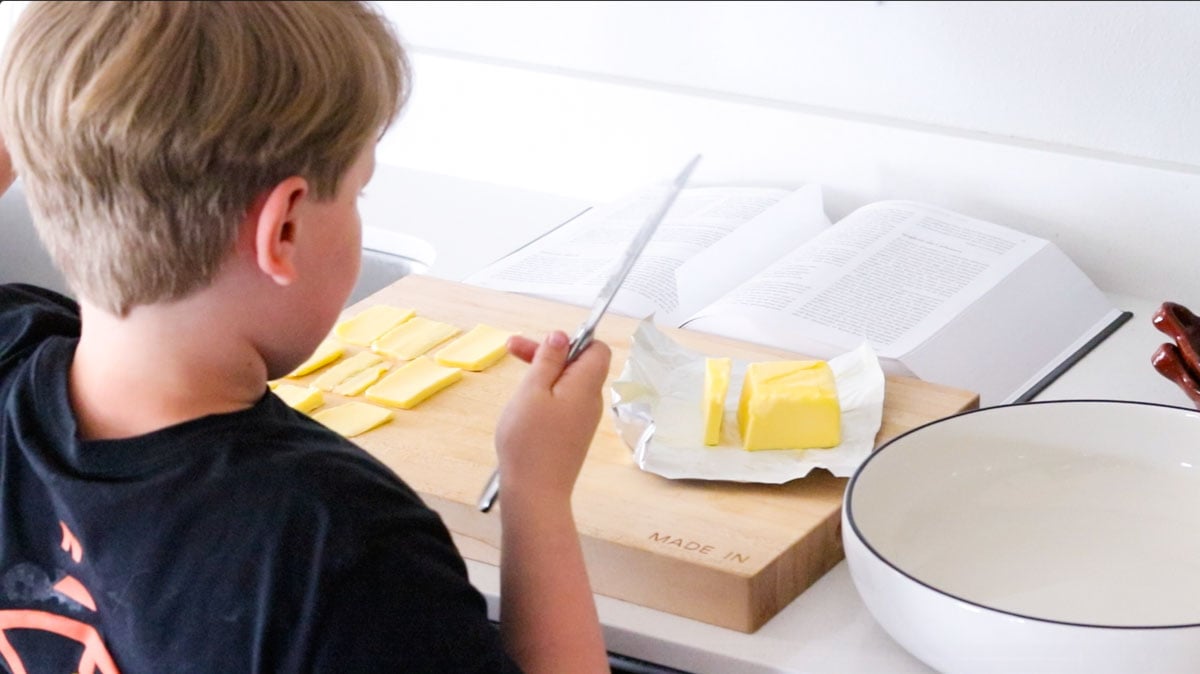
Slice the Butter
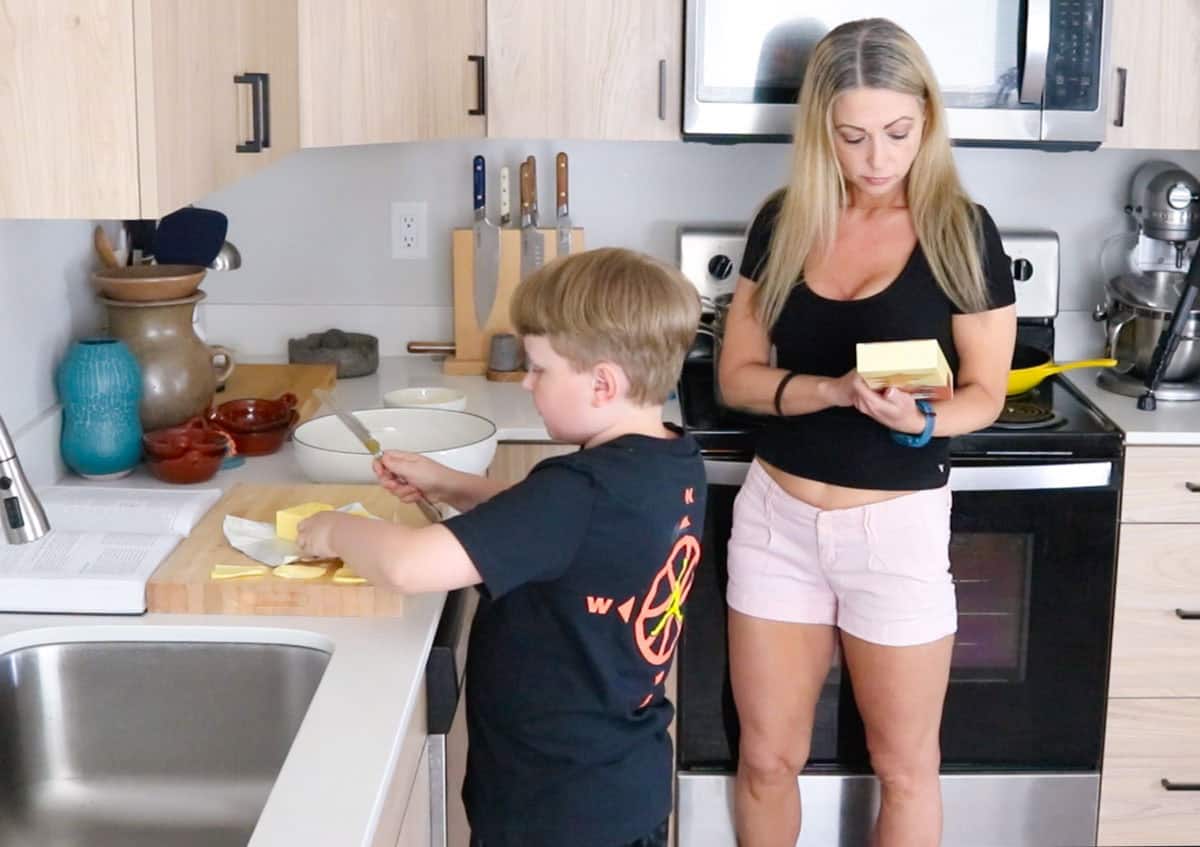
Wash your hands with soap and water. Use a knife and a cutting board to slice the butter. Transfer half of the butter to a large serving bowl.
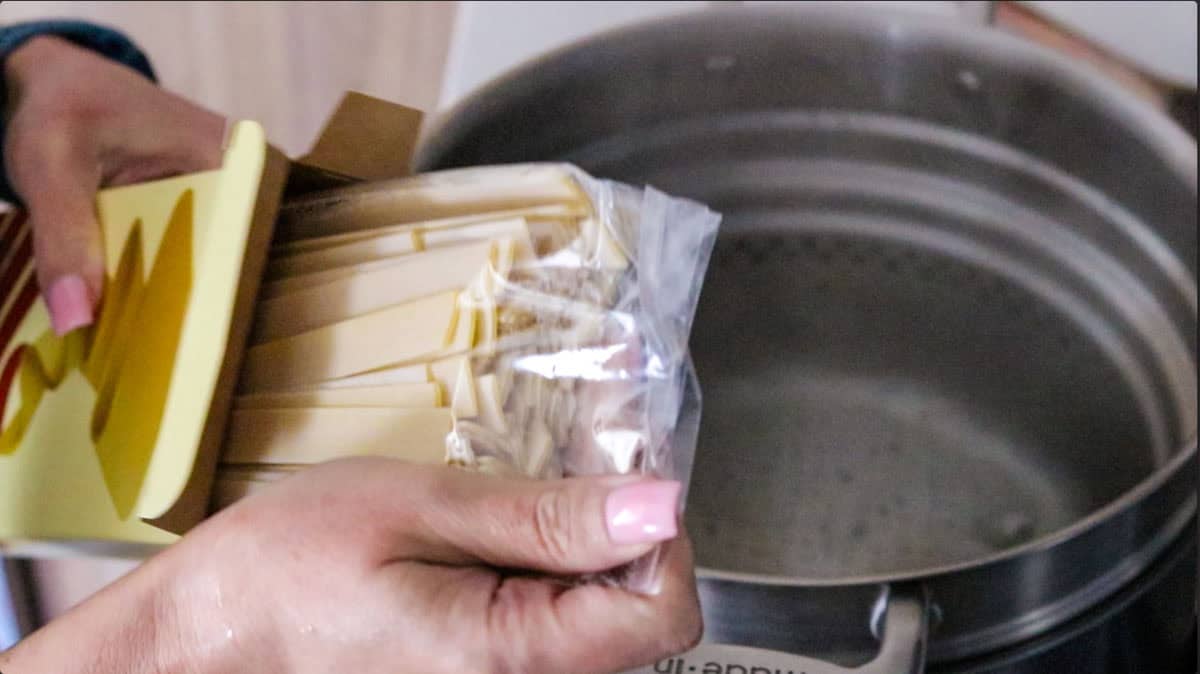
Boil the Water
Add water to a stock pot and place it on the stove. Add salt, enough to be as salty as the ocean, and bring it to a boil over high heat.
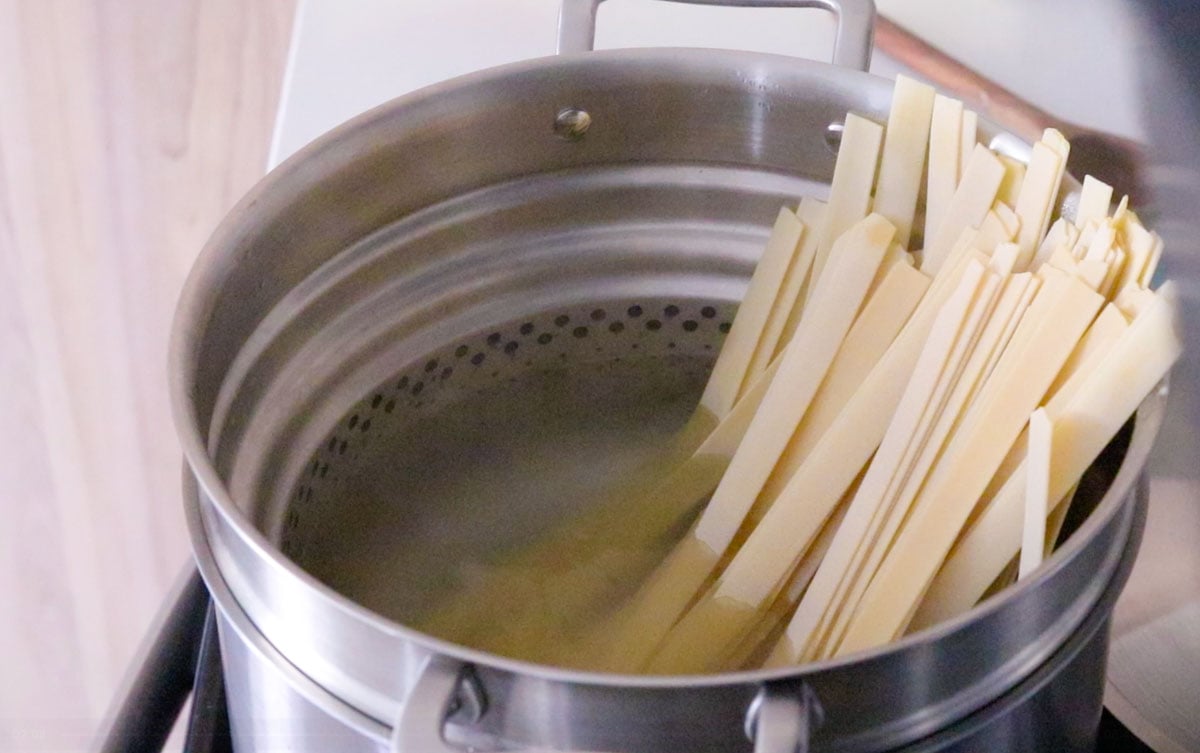
Cook the Pasta
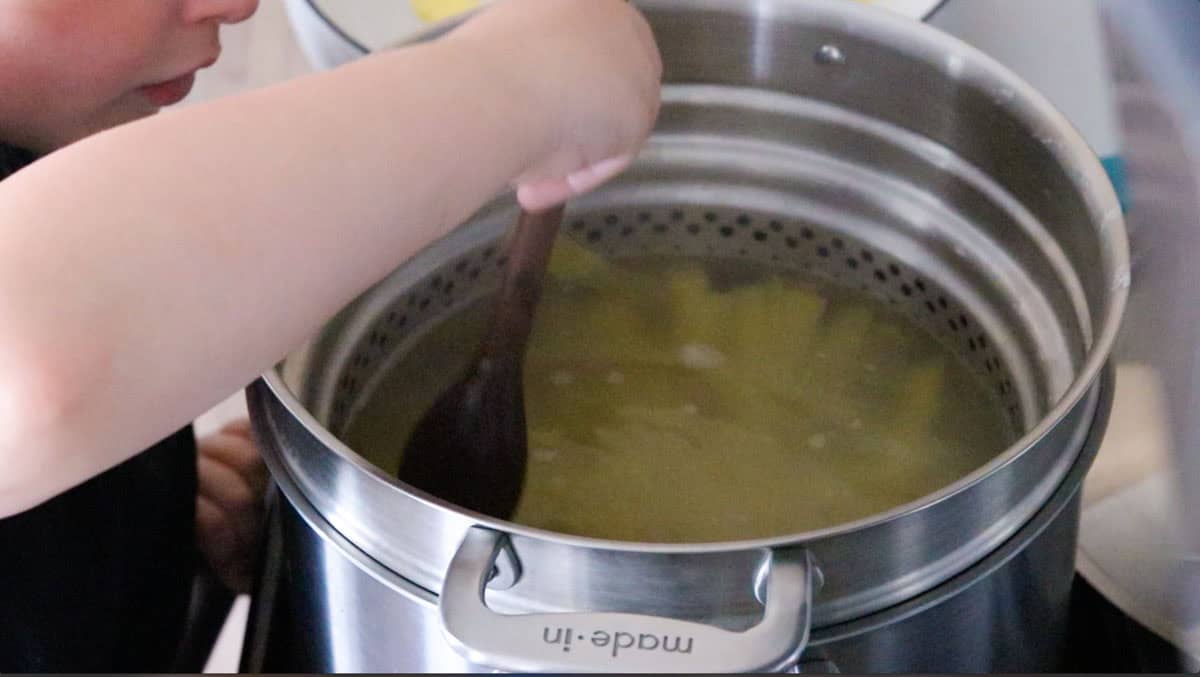
Once the water is boiling, add the pasta to the pot. Push it down into the pot as it cooks and stir occasionally until it is al dente, about 10 minutes, depending on the pasta.
Grate the Cheese
Use a cheese grater to grate the Parmigiano-Reggiano into a clean bowl. Set it aside.
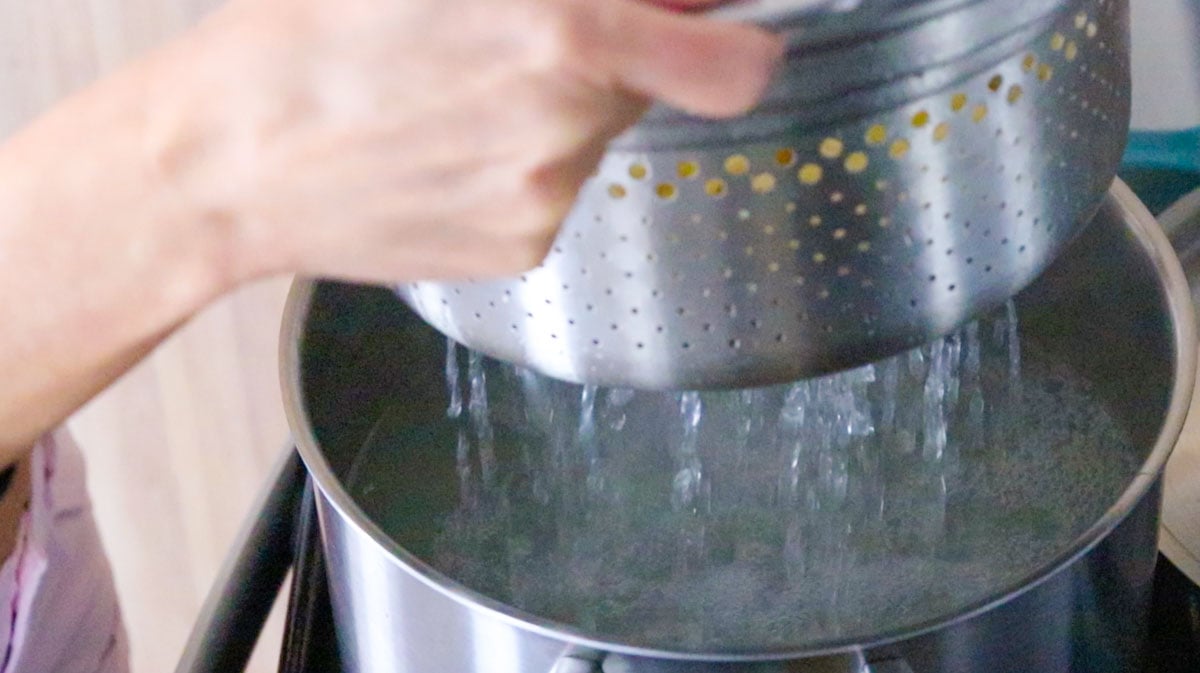
Transfer the Pasta to the Serving Bowl
Turn off the stove and drain the pasta when finished. Save ¾ cup of the cooking water. Transfer the pasta to the large serving bowl. Use tongs to coat the pasta in the butter-lined bowl.
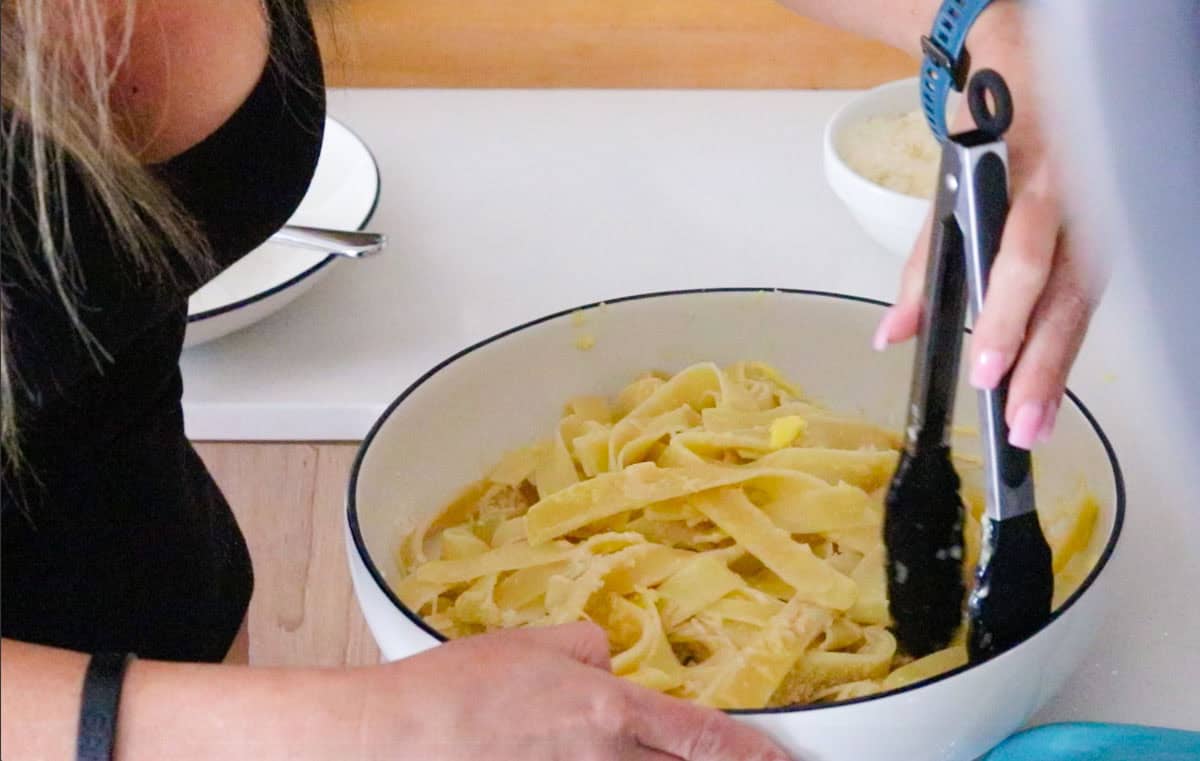
Sprinkle the Cheese on Top
Sprinkle the cheese on top of the pasta. Sprinkle the reserved pasta water over top. Toss to coat using the tongs.
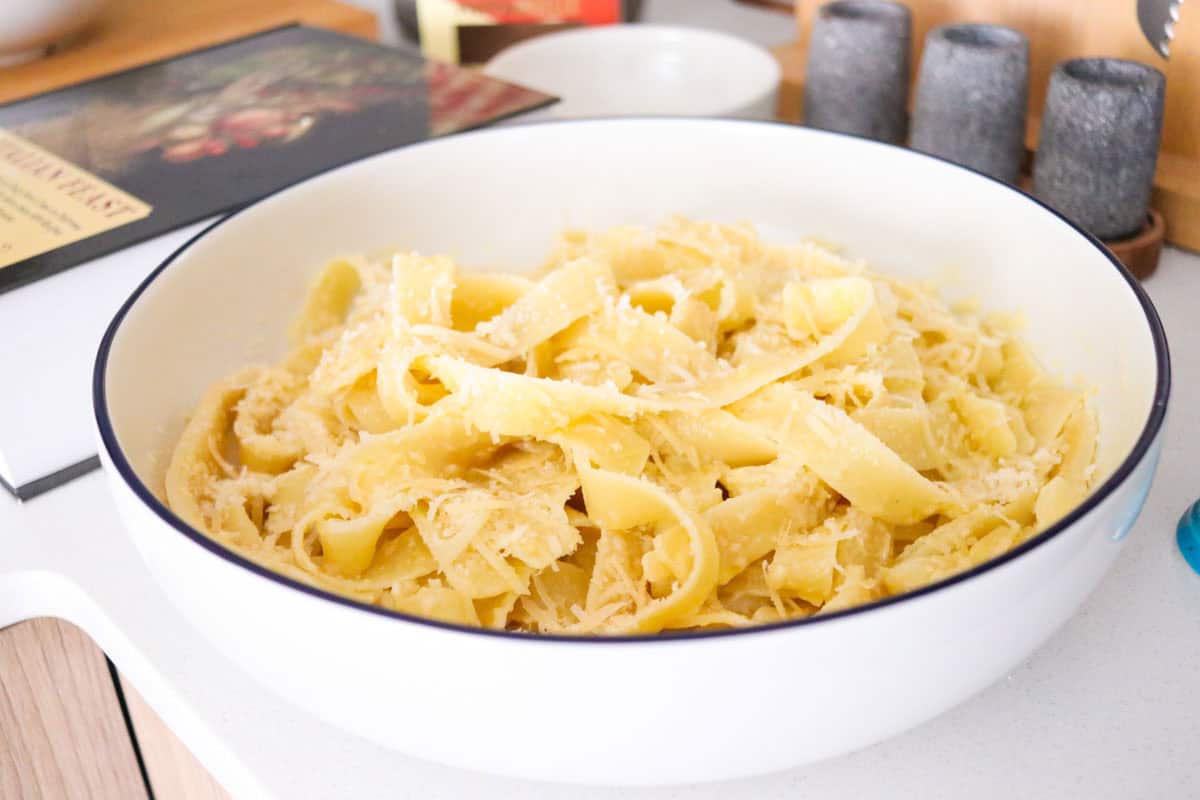
Add the Remaining Butter
Add the remaining butter to the serving bowl. Toss the pasta to coat. Sprinkle on the pepper as desired.
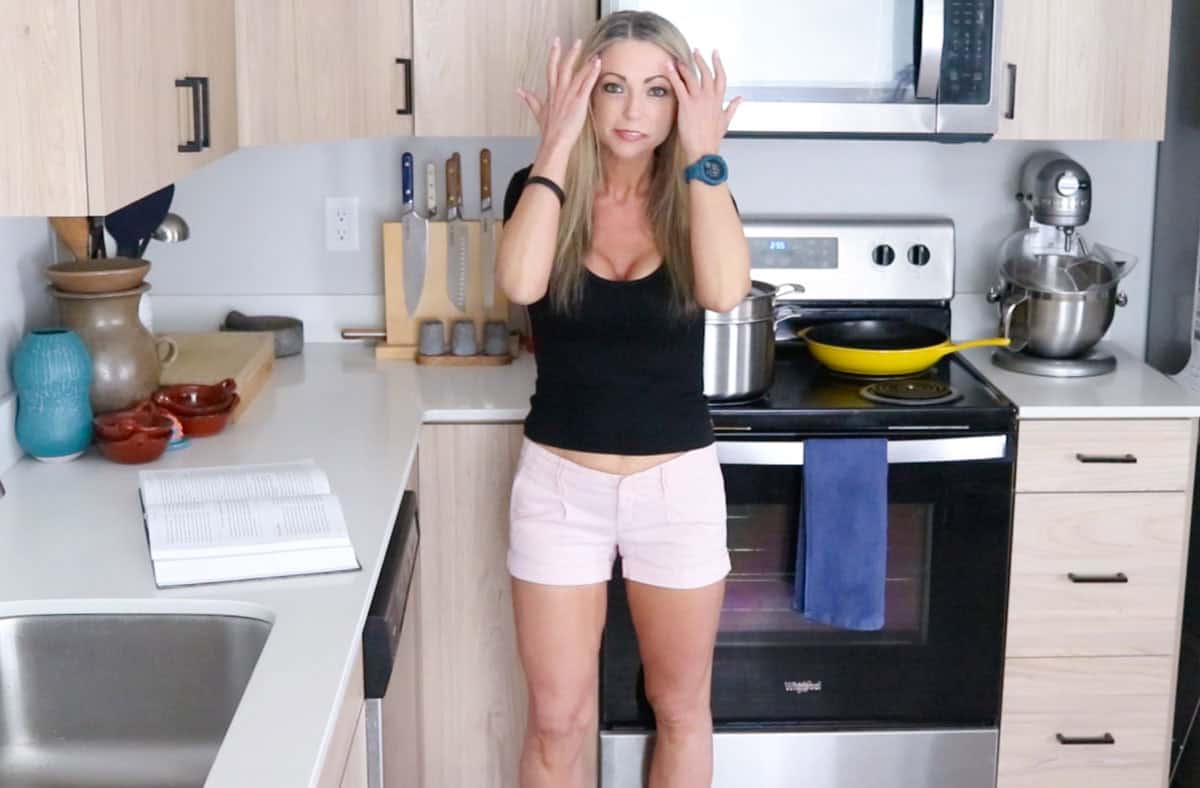
It's hard work. I know. We're enjoying it. Serve it with a salad, and your favorite crusty bread. Don't forget the butter.
free recipe!
Fettuccine Alfredo
This Italian fettuccine Alfredo is slippery when buttered.
Grab your free printable recipe cards above. Kids can gather ingredients using the ingredient list, gather their equipment with the tools list, and prepare the meal using the step-by-step recipe cards, with assistance as needed.
The cards are easy to use, include pictures, and encourage confidence and independence in the kitchen. They also make an excellent addition to your Montessori continent box for North America.
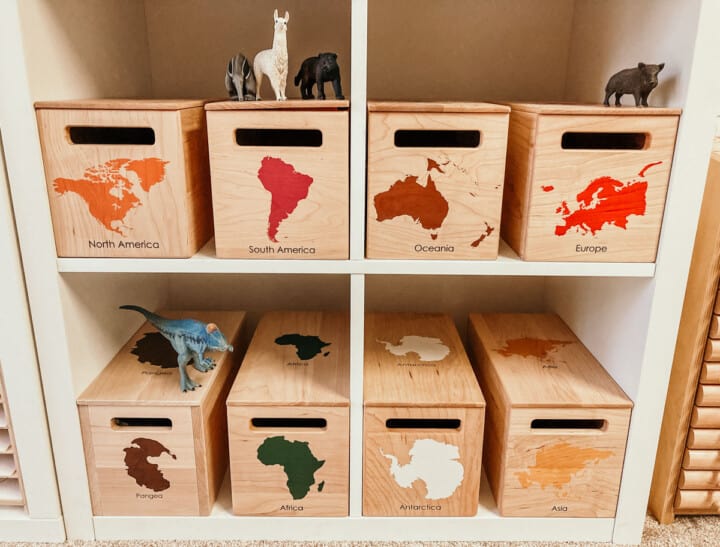
Montessori Continent Boxes
Explore every continent with these solid maple hardwood boxes.
Fettuccine Alfredo from An Italian Feast
Equipment
- Chef Knife or butter knife
- Tongs or wooden spoon
- Molcajete y Tejolote optional
- Eye-Catching Butter Dish to showcase a staple, optional
Ingredients
- 1 lb pappardelle pasta or fettuccine
- 2 sticks unsalted butter
- ½ lb Parmigiano-Reggiano cheese freshly grated
- salt
- fresh black pepper

Instructions
- Slice the Butter: Wash your hands with soap and water. Use a knife and a cutting board to slice the butter. Transfer half of the butter to a large serving bowl.
- Boil the Water: Add water to a stock pot and place it on the stove. Add salt, enough to be as salty as the ocean, and bring it to a boil over high heat.
- Cook the Pasta: Once the water is boiling, add the pasta to the pot. Push it down into the pot as it cooks and stir occasionally until it is al dente, about 10 minutes, depending on the pasta.
- Grate the Cheese: Use a cheese grater to grate the Parmigiano-Reggiano into a clean bowl. Set it aside.
- Transfer the Pasta: Turn off the stove and drain the pasta when finished. Save ¾ cup of the cooking water. Transfer the pasta to the large serving bowl. Use tongs to coat the pasta in the butter-lined bowl.
- Sprinkle the Cheese on Top: Sprinkle the cheese on top of the pasta. Sprinkle the reserved pasta water over top. Toss to coat using the tongs.
- Add the Remaining Butter: Add the remaining butter to the serving bowl. Toss the pasta to coat. Sprinkle on the pepper as desired.
Notes
- Don't leave food sitting out at room temperature for extended periods
- Never leave cooking food unattended
- Use oils with high smoking point to avoid harmful compounds
- Always have good ventilation when using a gas stove
- See more guidelines at USDA.gov.
- Full Lesson Info and Pictures at: https://happyhomeschooladventures.com/fettuccine-alfredo
Nutrition
Estimated nutrition information is provided as a courtesy and is not guaranteed.

Leave a Reply