
"In learning new information, one might be more motivated if the information is needed to fill gaps in one's existing knowledge, for example, than if one begins with no knowledge whatsoever."
- Angeline Stoll Lillard
I once hooked a Duke athlete up to a monitor, and their resting heart rate was 38. I was jealous and infatuated at the same time. Anatomy & Physiology is so much fun!
Learn about the systems of the body and how they work, and you're one step ahead of the game when they don't.
Jump to:
See what else we've been up to.
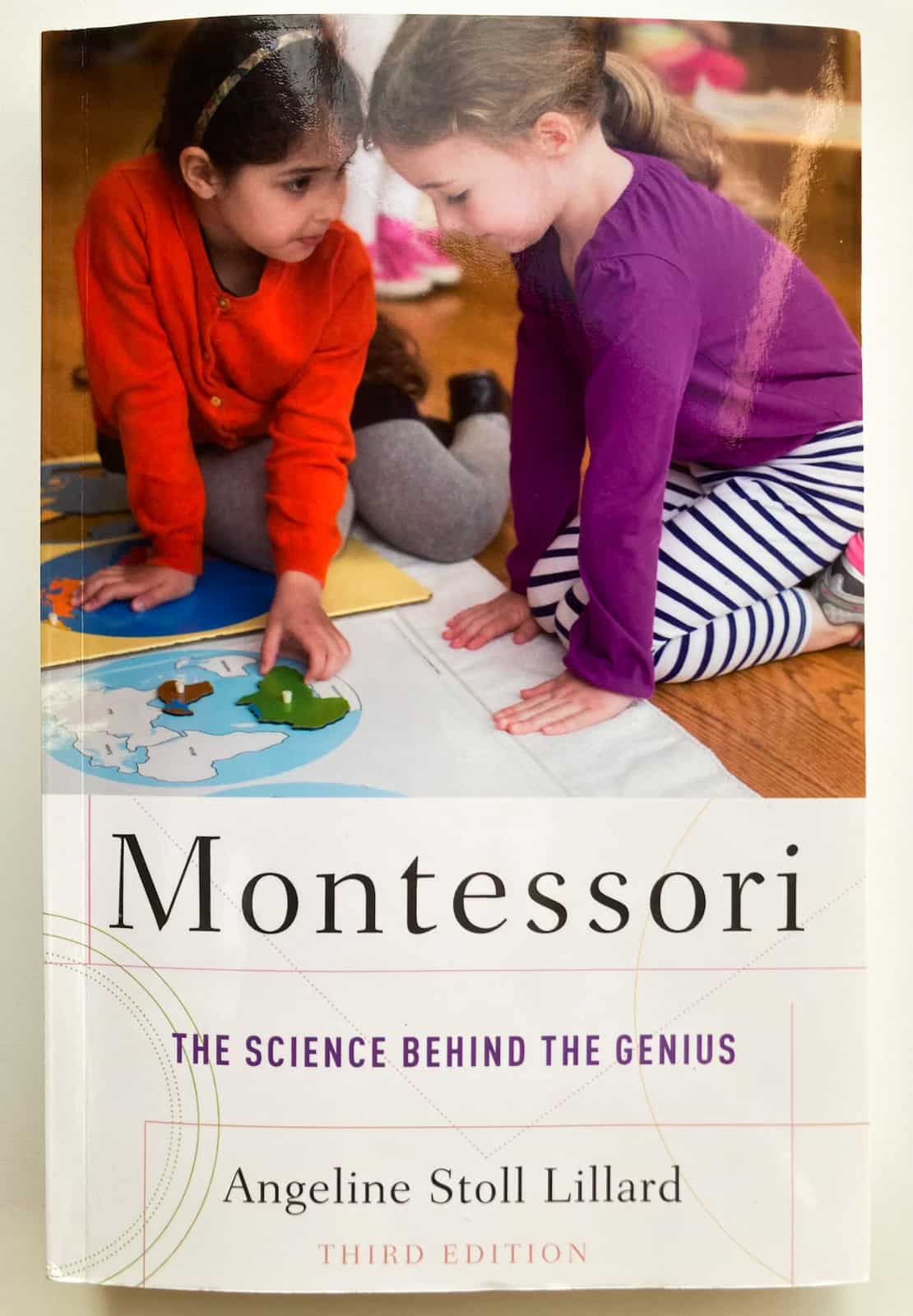
Montessori: The Science Behind the Genius
Inside Montessori: The Science Behind the Genius, studies regarding meaningful contexts for learning are discussed.
People are more motivated to learn when what they are learning is embedded in a meaningful context, and that motivation might explain the enhanced learning. In conventional schools, teachers and textbooks too often fail to use meaningful contexts for imparting new information. Meaningful contexts connect new knowledge to old knowledge, and/or make clear its applicability, or simply make the learning environment more rich, interesting, or fun.
Systems of the Body
Circulatory System
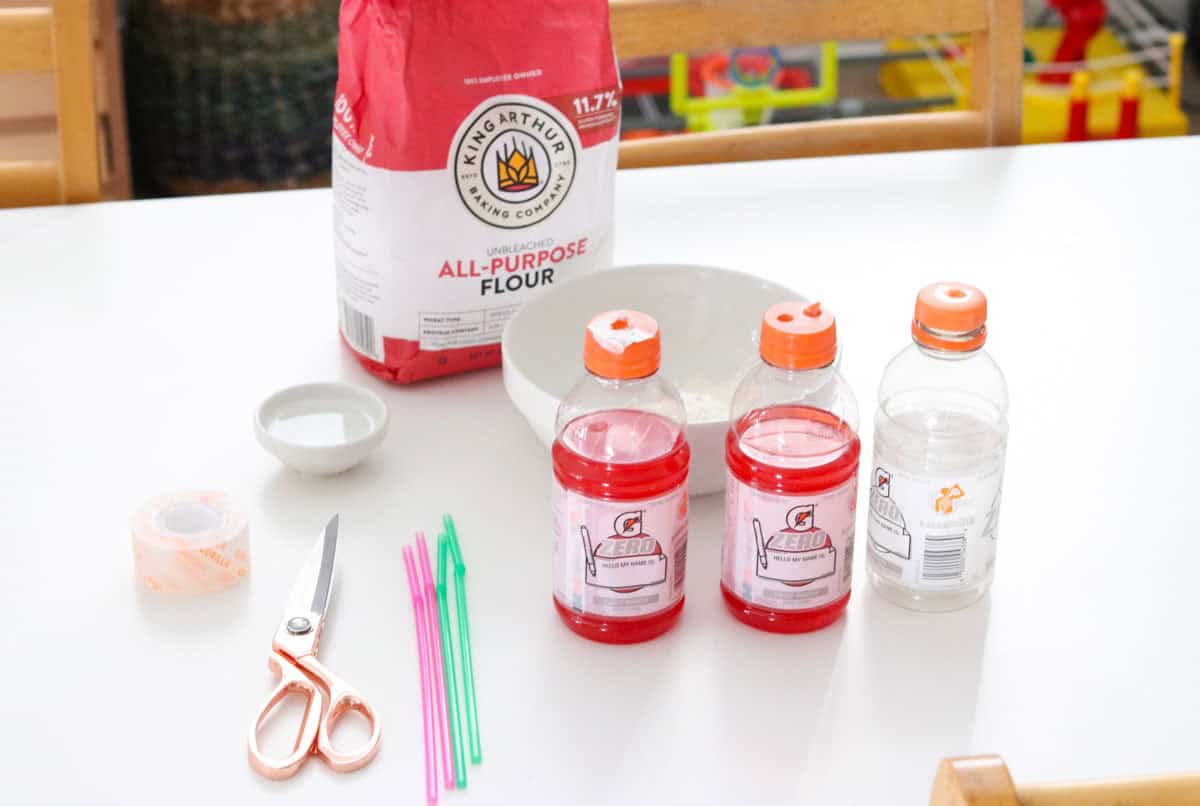
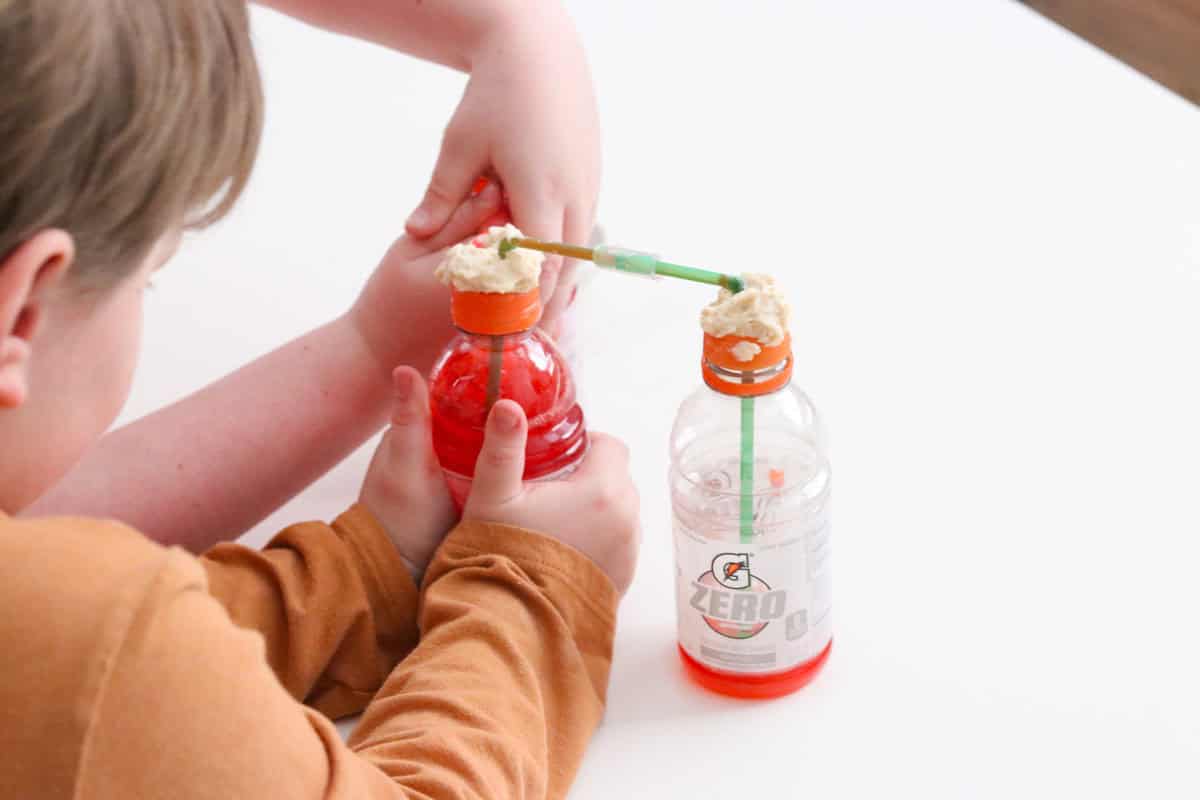
You may already know we love to play with Gatorade! We decided to turn it into a heart, and it's a lefty. Using Wise Wonders' demo, we built a model heart.
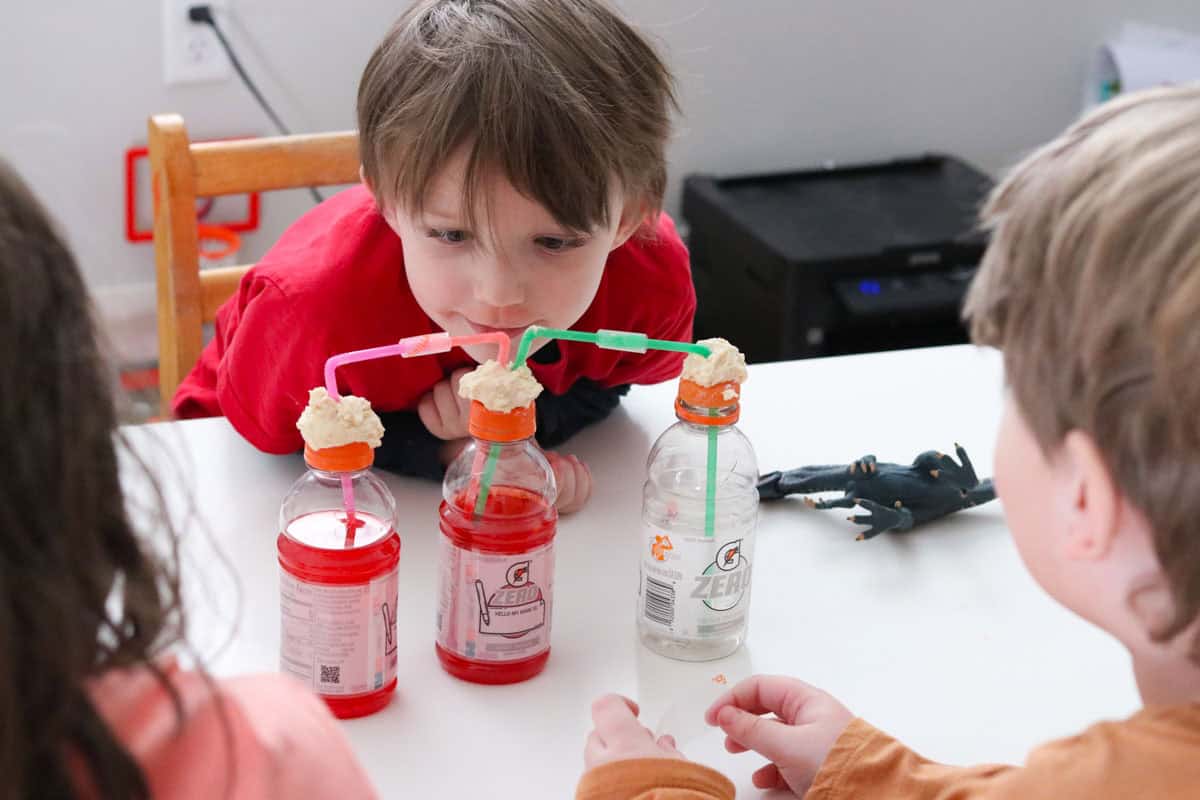
The atrium and ventricle work together to pump blood to the rest of the body with the help of valves that open and close to control the flow of blood.
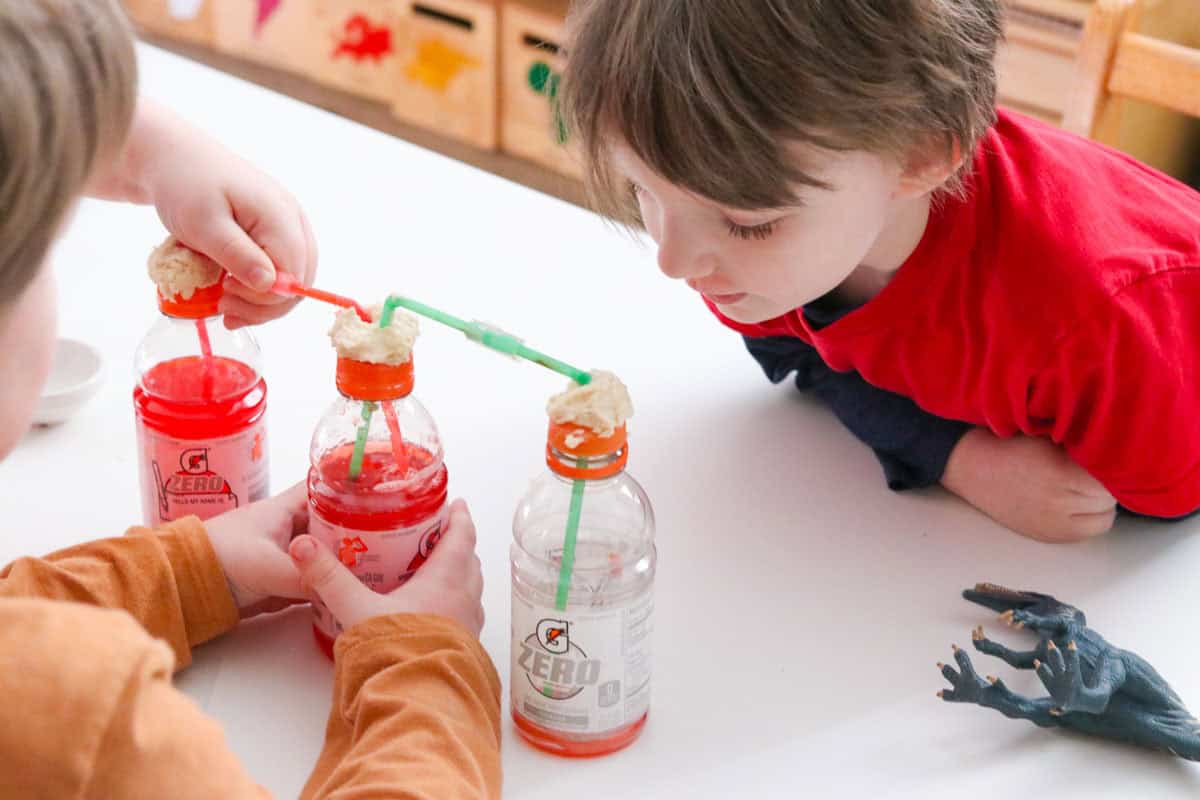
This activity from Wise Wonders is part of Montessori Tube Academy's Inclusive Club.
Respiratory System
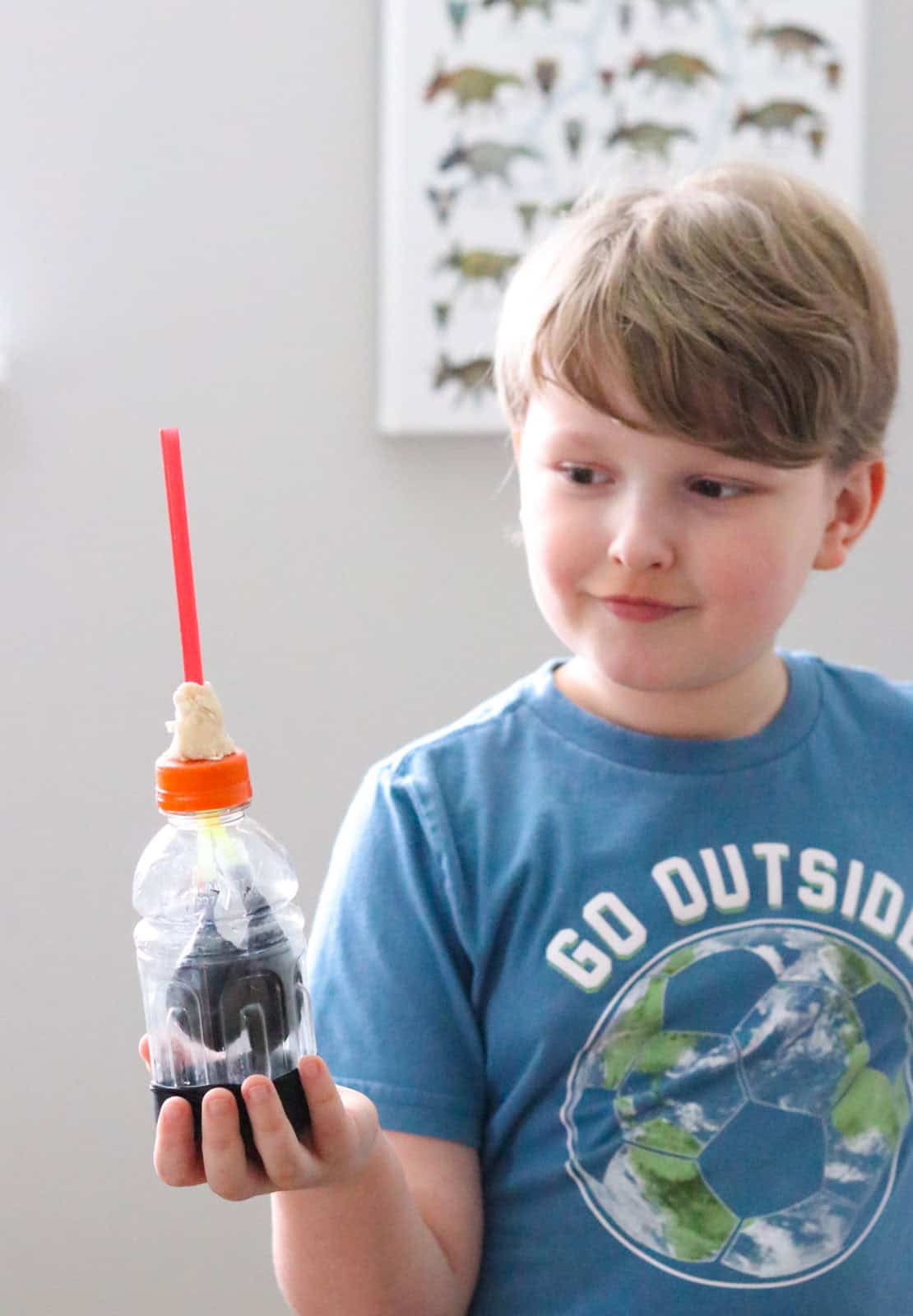
Wanna build your own model lungs using household materials? We used MEL Chemistry's tutorial for DIY lungs as part of Montessori Tube Academy's Inclusive Club curriculum.
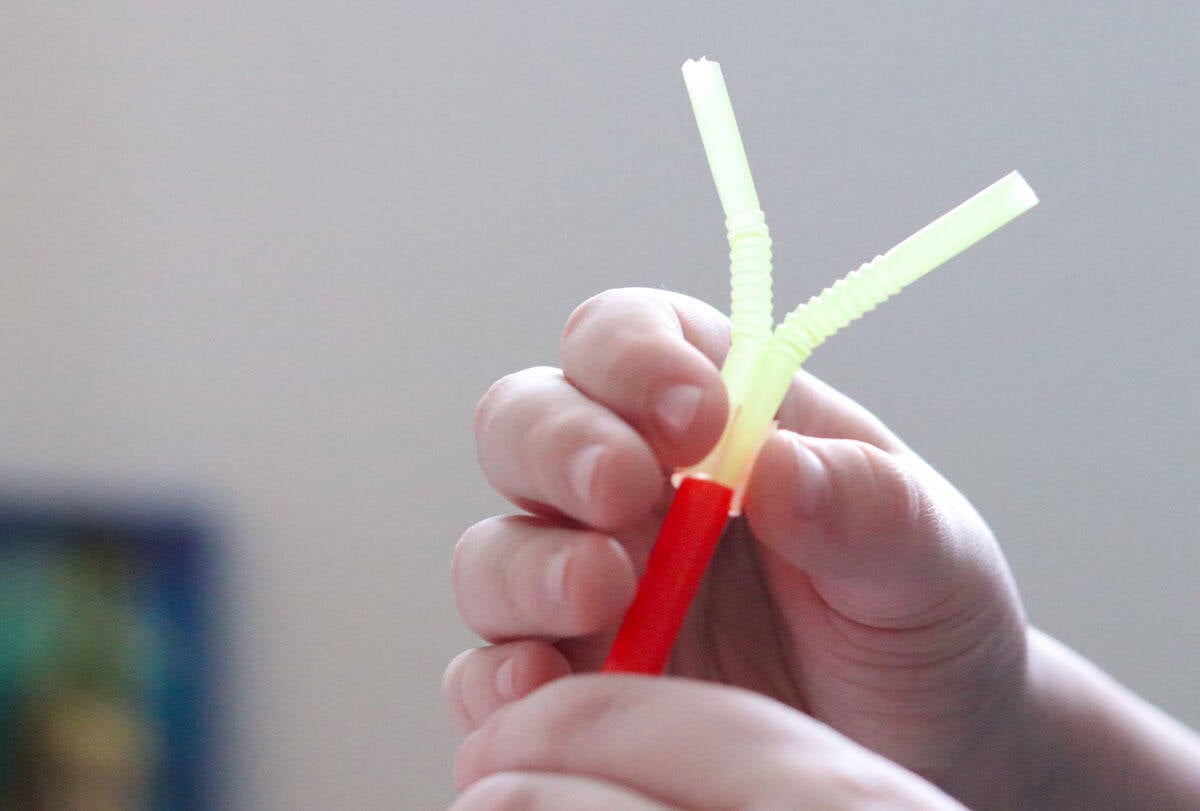
Grab a Gatorade bottle, straws, balloons, tape, and some dough or clay.
The color of the balloons determines whether they are diseased or healthy lungs. Go pink for healthy, and black for follow-up care.
Build the trachea and bronchi by attaching 1 large straw section to 2 smaller ones. Secure with tape.
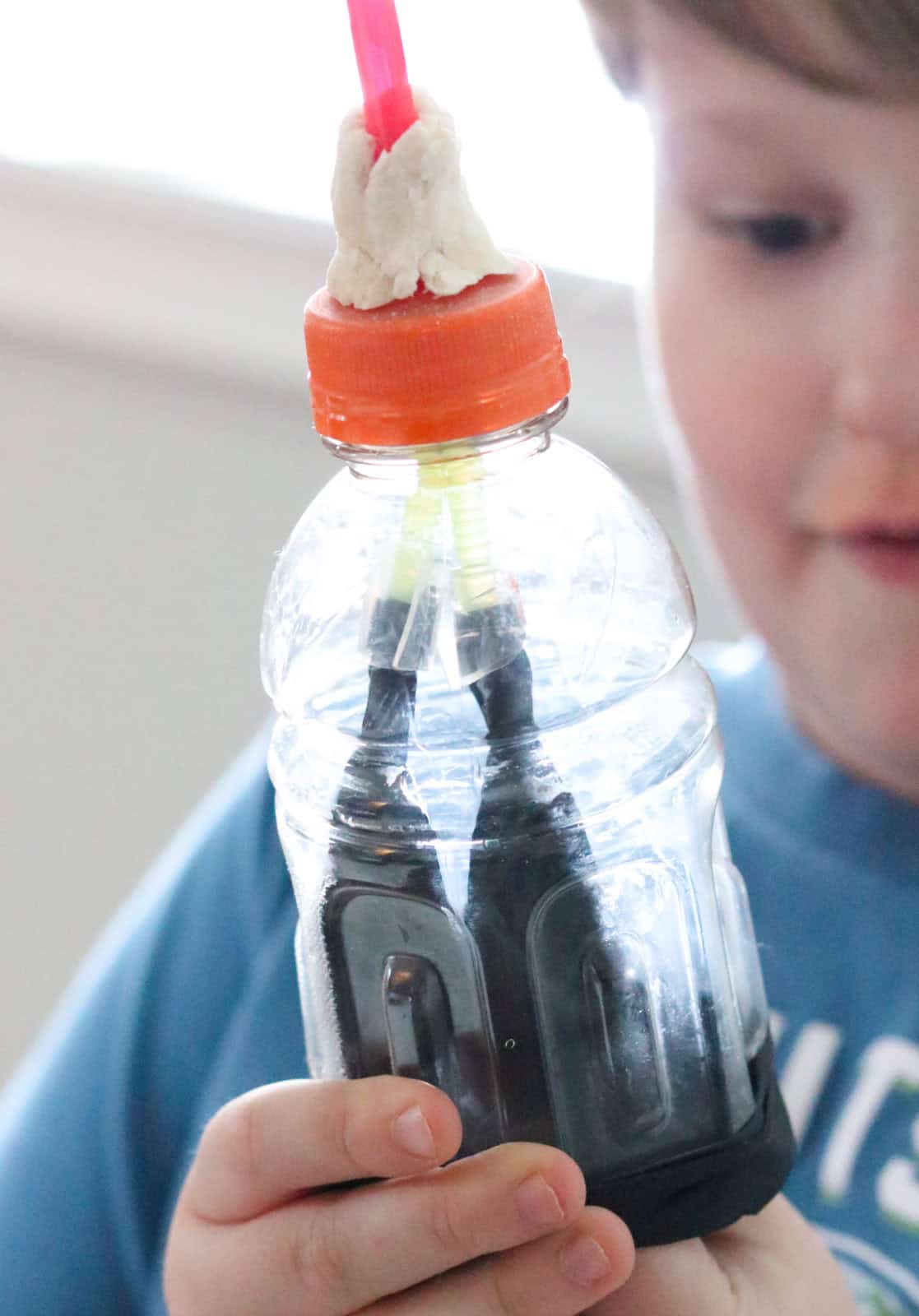
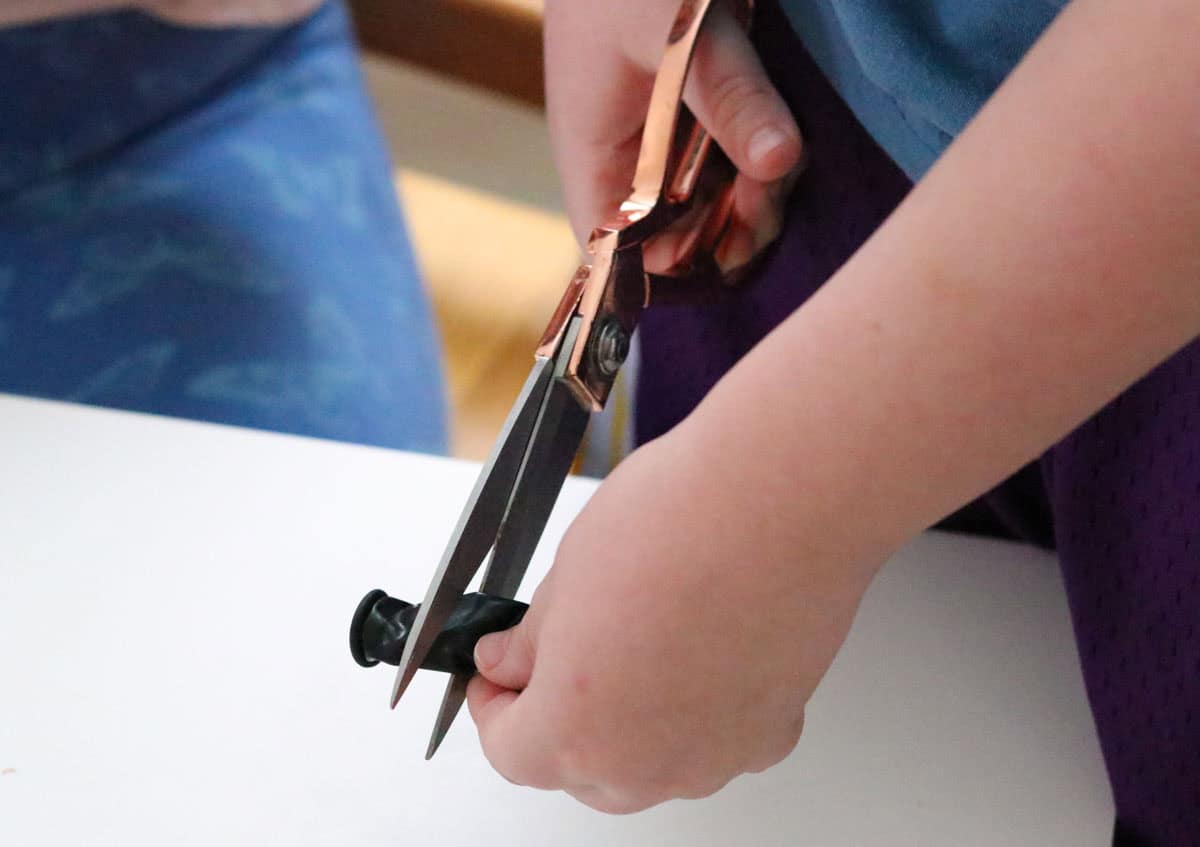
Cut the tips off 2 balloons and attach them to the bronchi to create the lungs. Get a good seal with your tape around the balloons, bronchi, and the Gatorade top.
Cut the bottom off the Gatorade bottle and place your lungs inside its chest cavity. Seal the bottom of the bottle with another cut balloon to make the diaphragm.
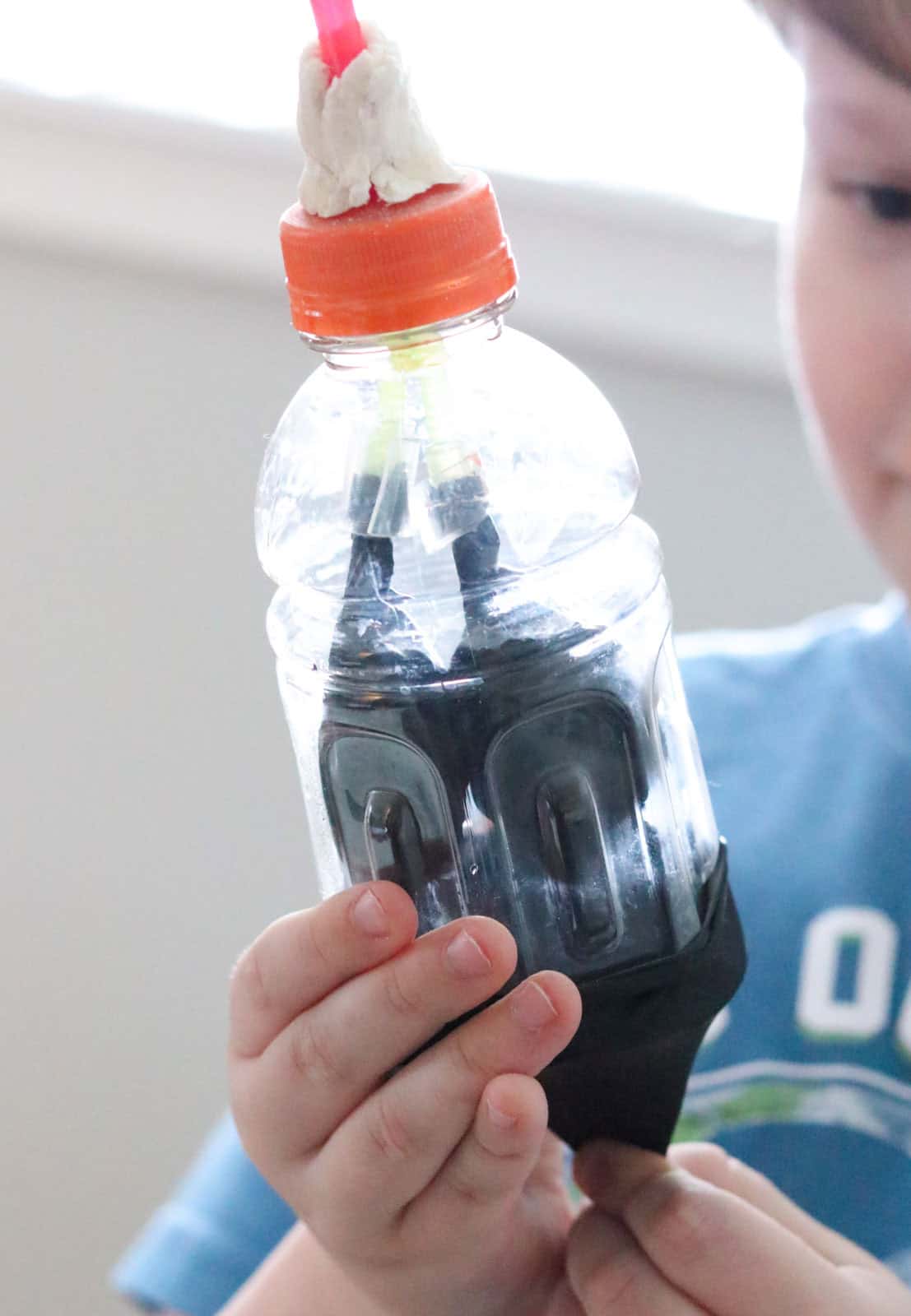
Wanna breathe? Contract the diaphragm by pulling on it. A partial vacuum fills the trachea, bronchi, and lungs.
Skeletal System
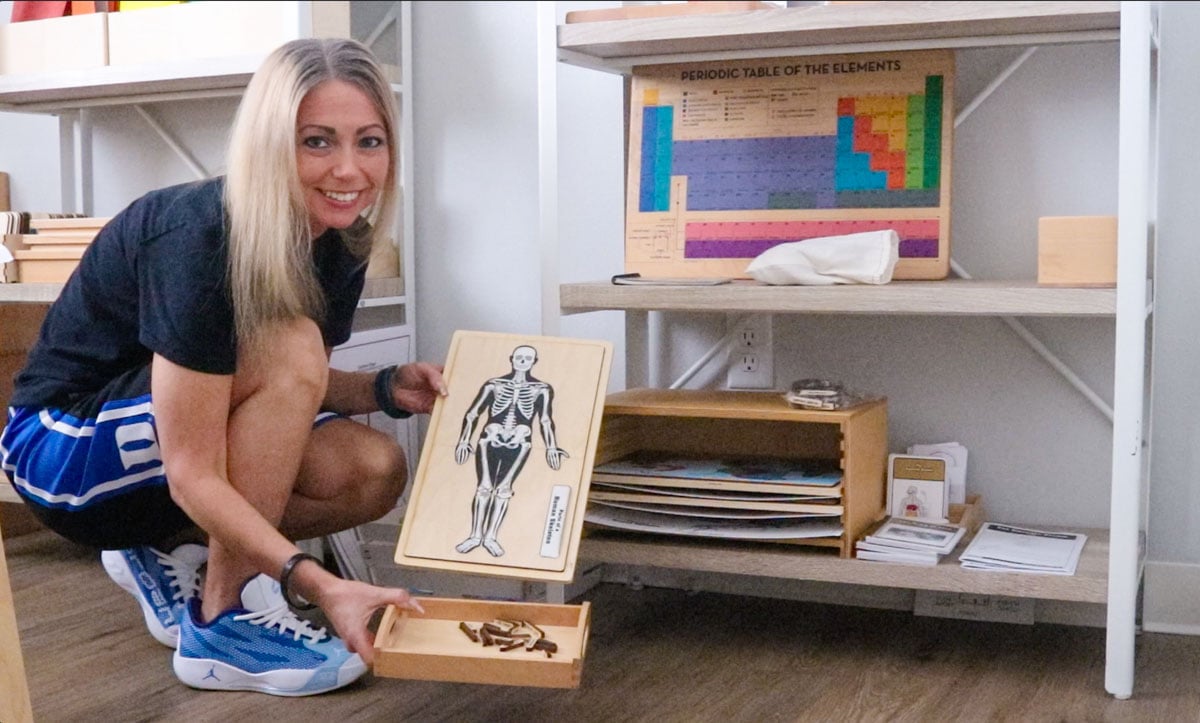
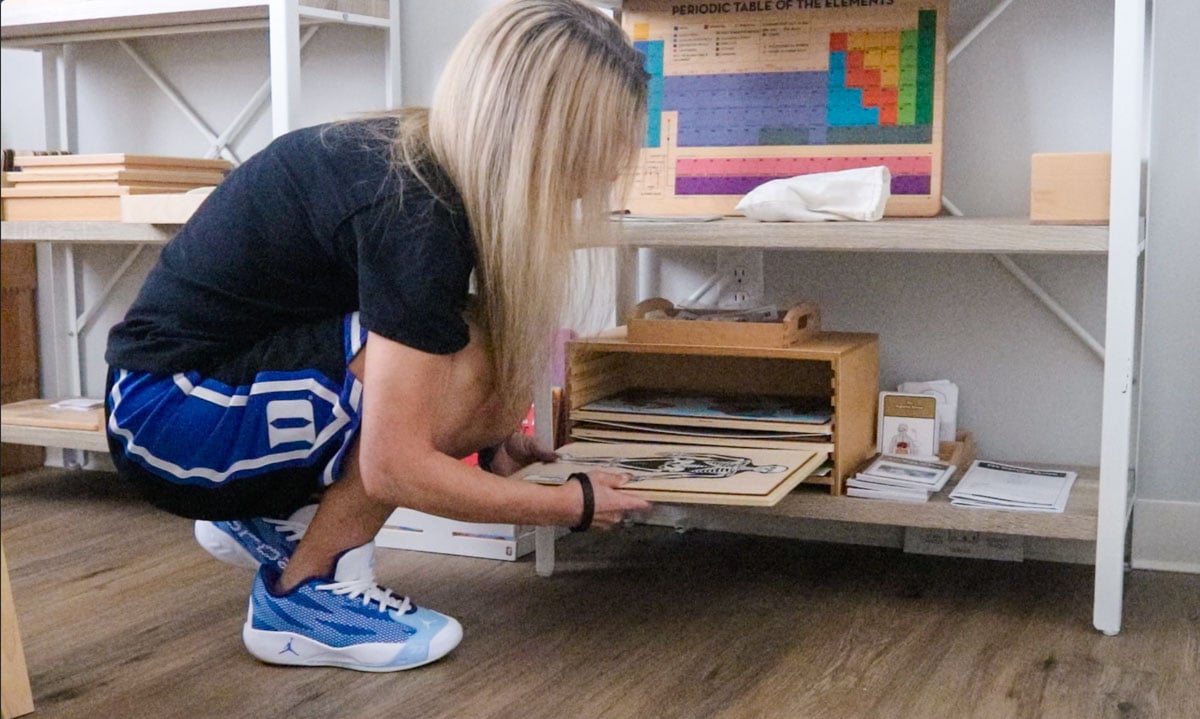
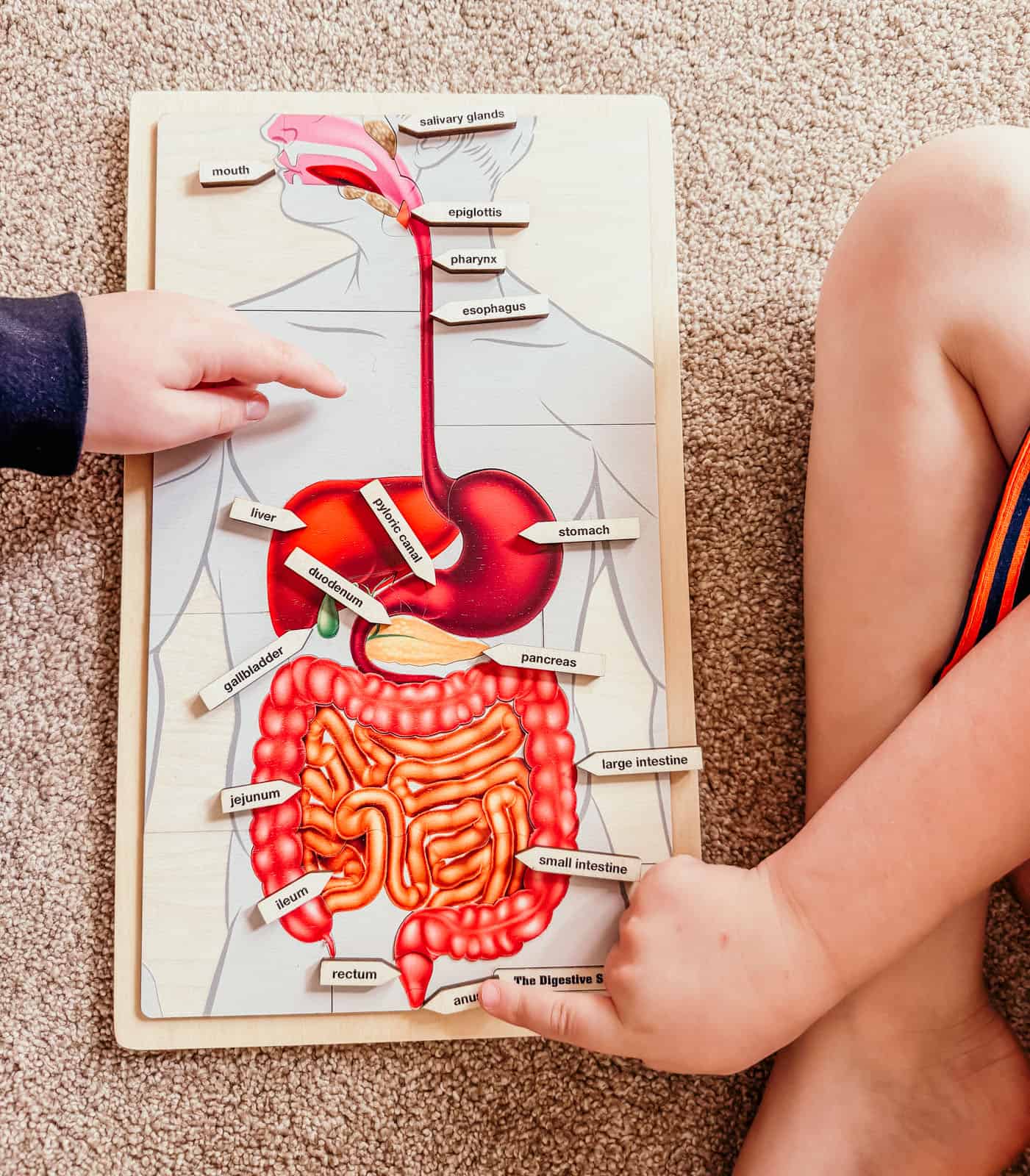
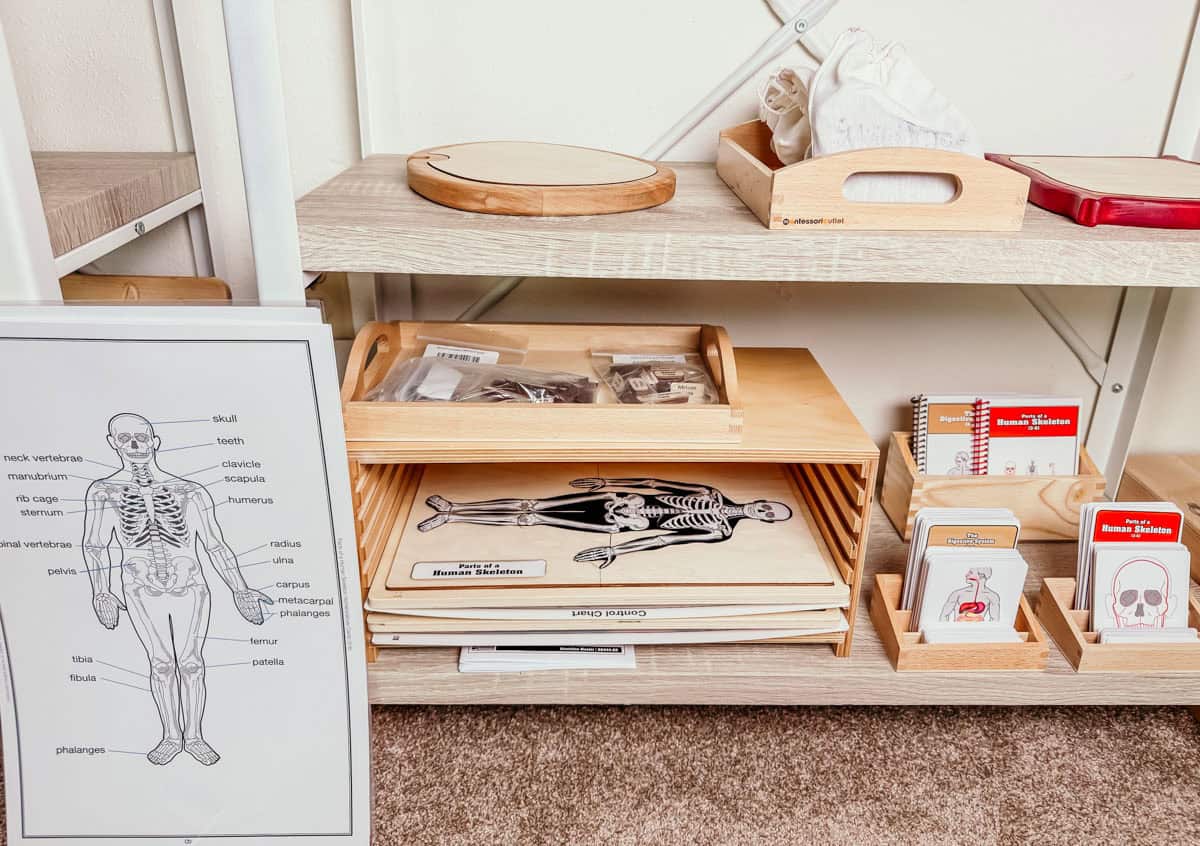
If your kids like puzzles for learning about systems of the body, you can keep several on the shelf in a puzzle cabinet. Kids can grab the puzzle and a tray with the labels.
Have no fear. The control chart is here. Build the puzzle, match the labels for the skeletal anatomy, and use the control chart to check your work.
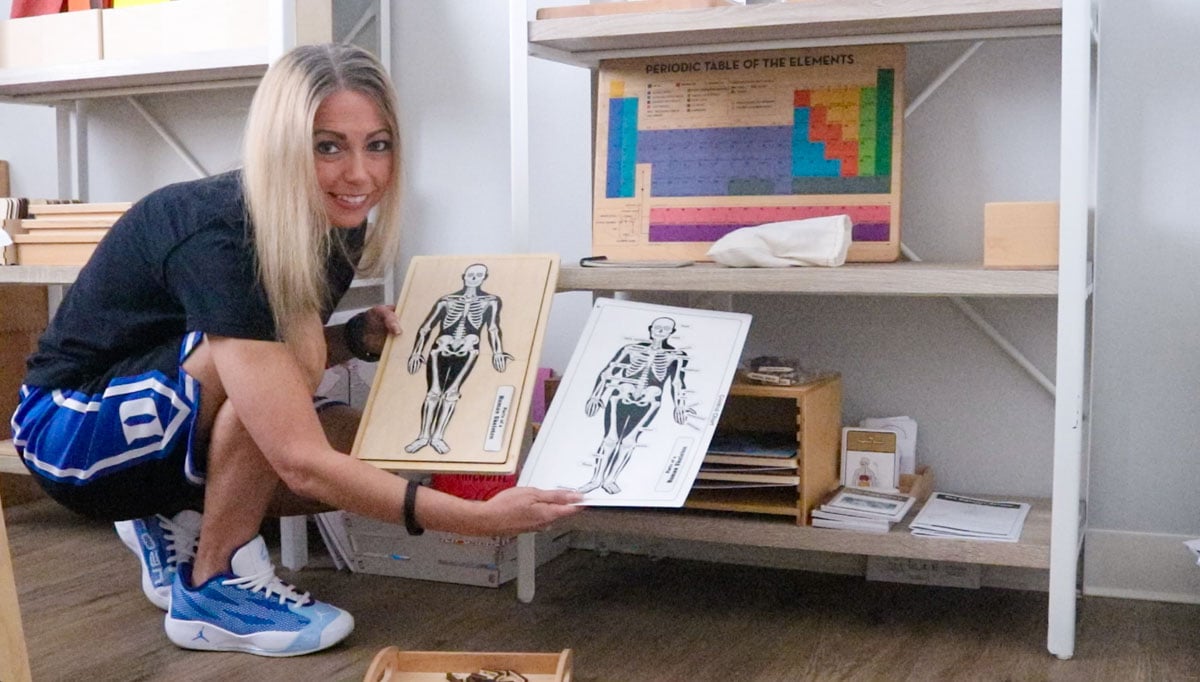
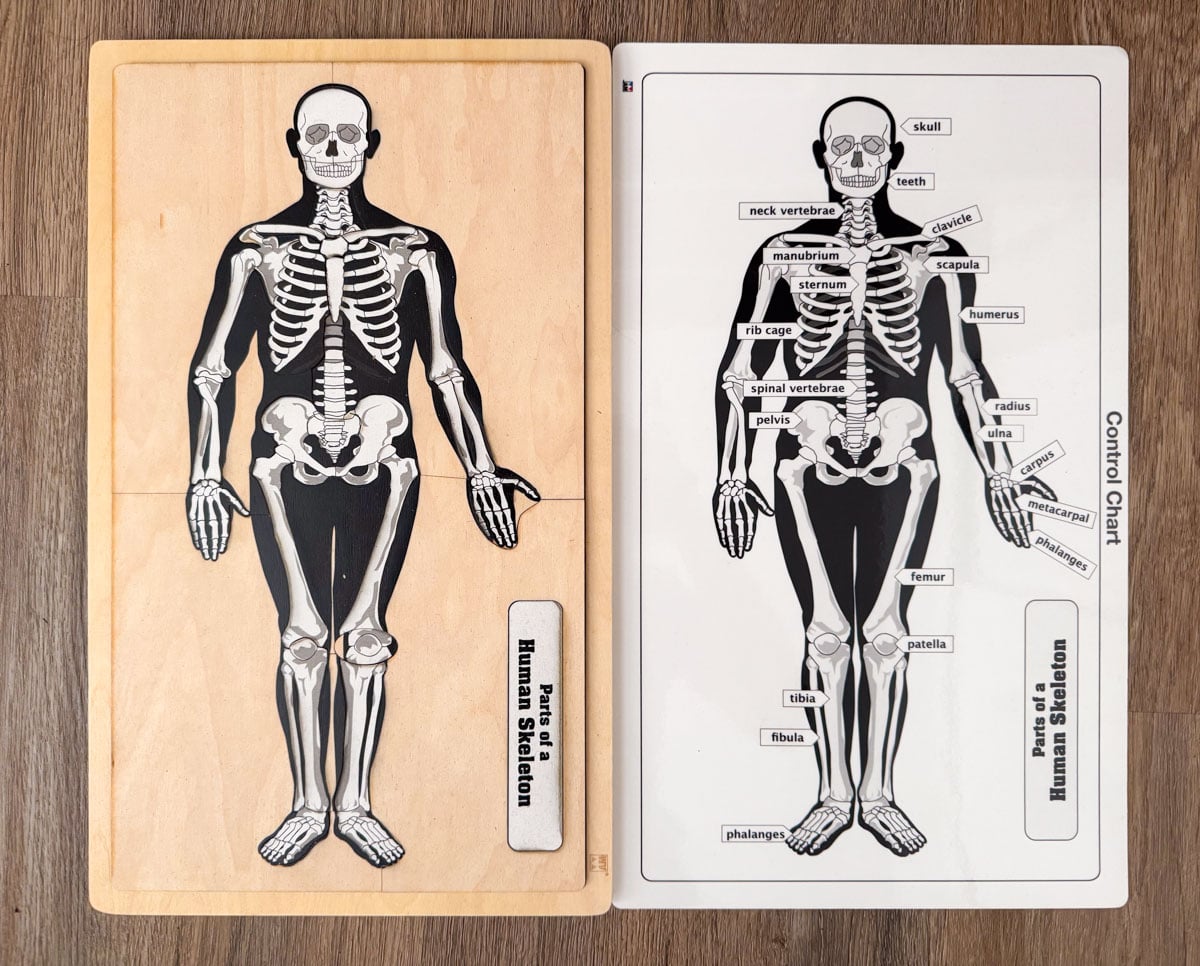
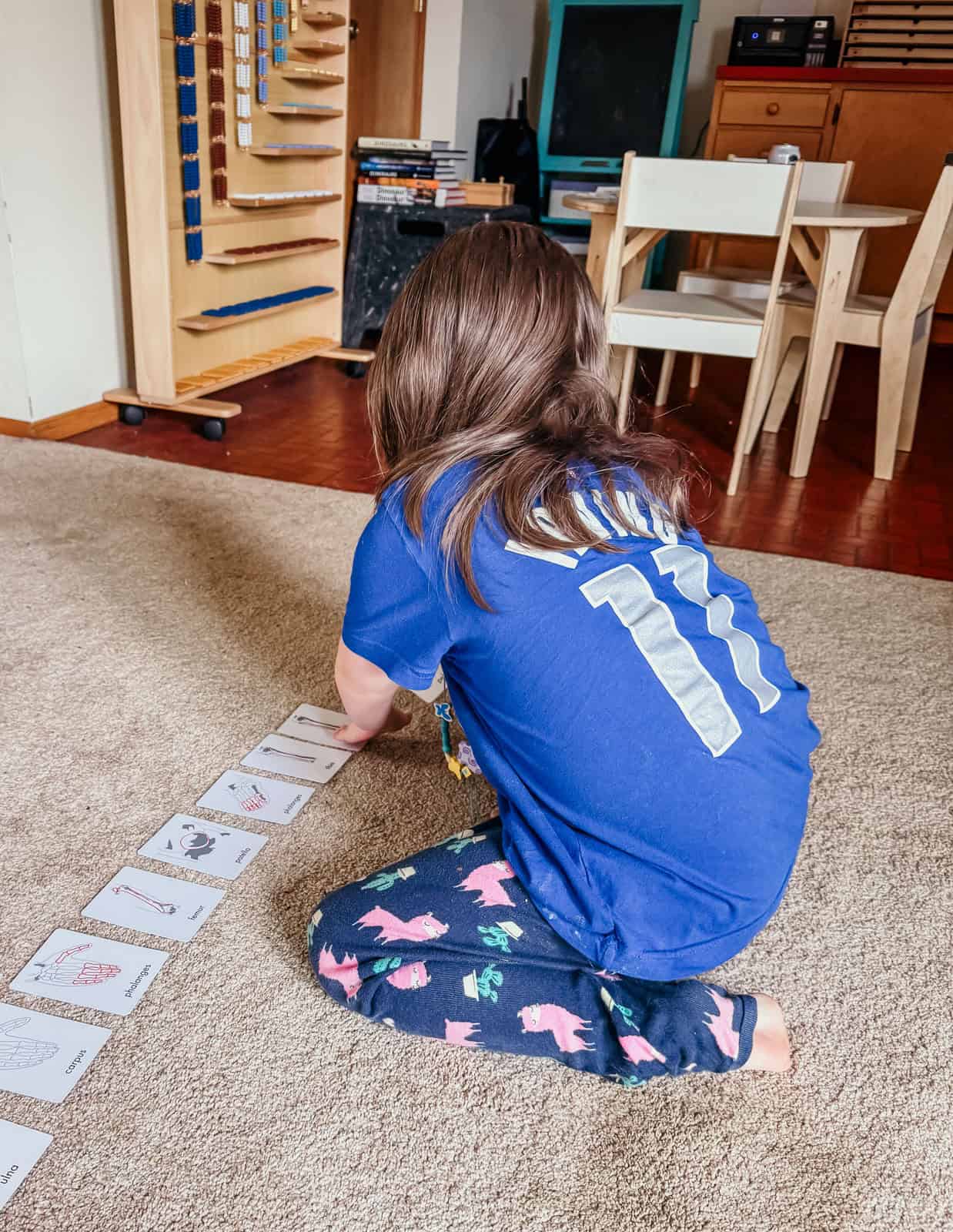
There are also 3-part cards for learning the names and booklets about the skeletal system to help you dive deeper into areas of interest.
Digestive System
People sometimes think digestion occurs between the stomach and the anus, but it actually starts with mastication. I kid you not.
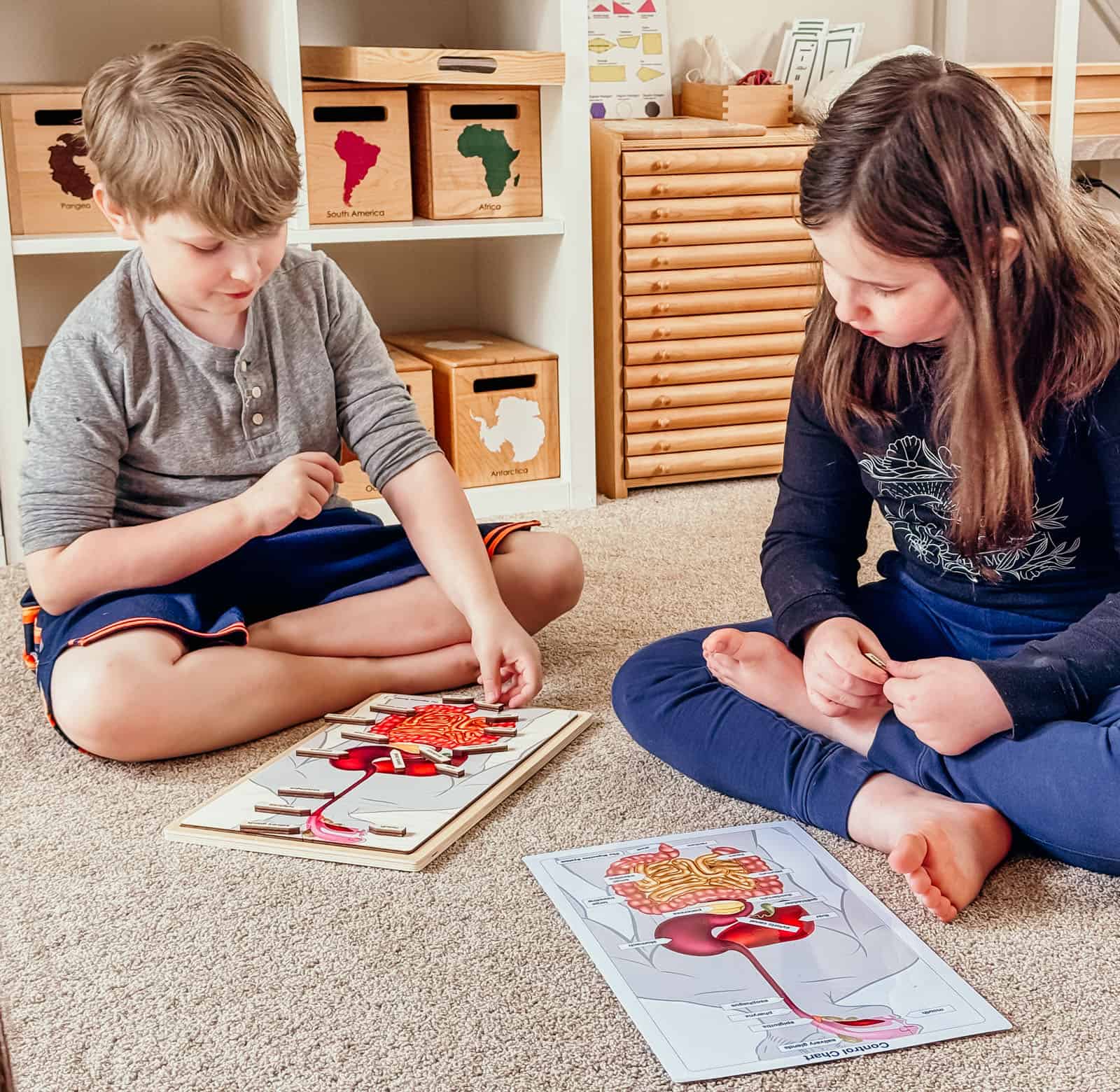
We use a similar puzzle situation for learning about the digestive system. Build the digestive system and identify the parts. Focus on areas of interest and learn more about them.
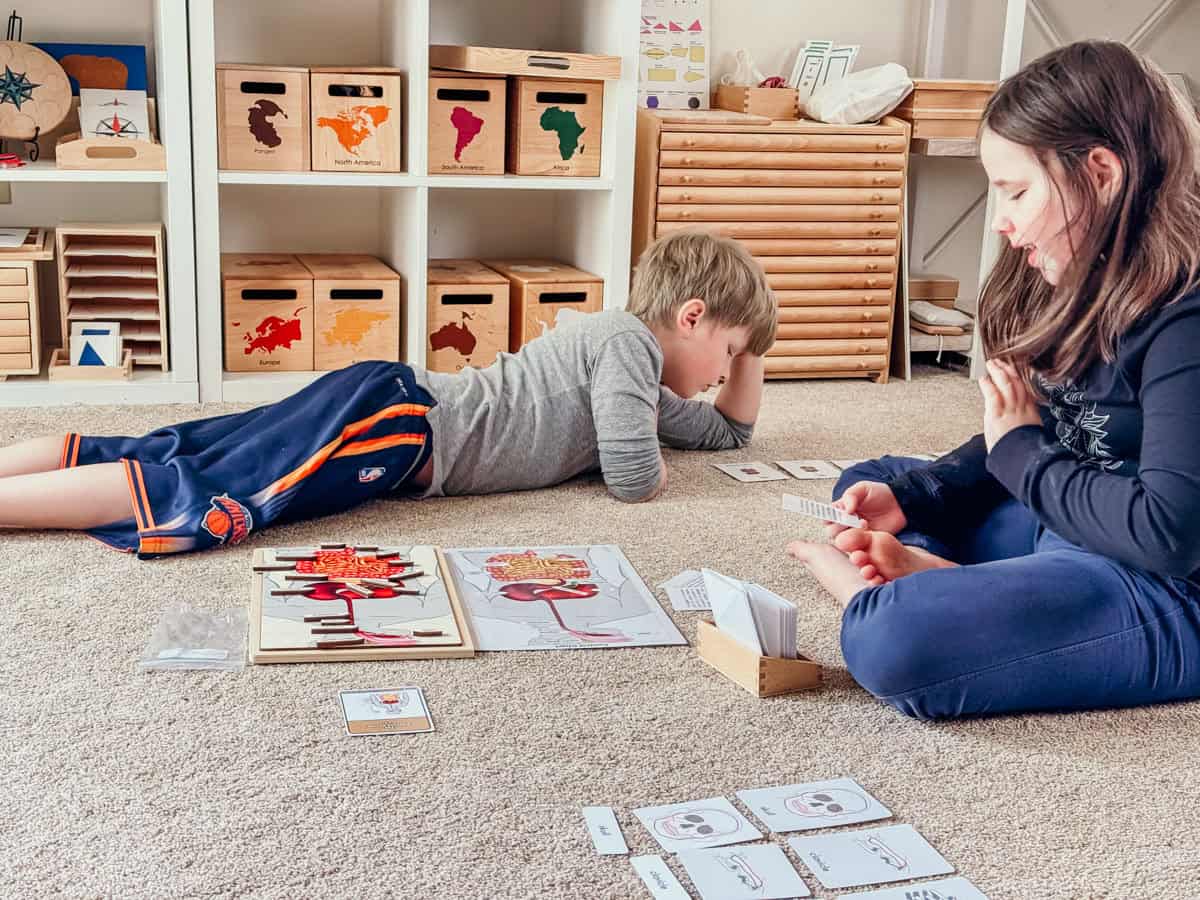
Return everything to the shelf when finished, and you're ready to go for the next learning session.
If you're really interested in anatomy and physiology, but aren't quite ready to dissect a frog or a cat, this dirty fried rice recipe includes hands-on time with livers - chicken, not human.
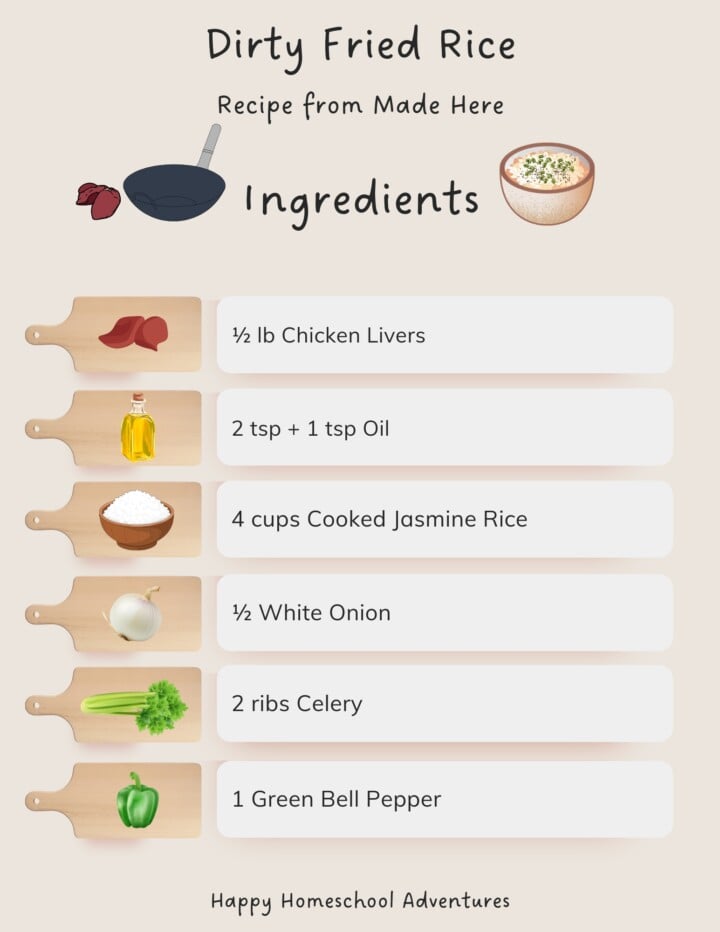
free recipe!
Dirty Fried Rice
Chinese origins with a Louisiana soul, this dirty rice teaches from New York.

Nervous System
If you're interested in the anatomy of the brain, Mirus Toys, as always, keeps it exciting with a puzzle everyone wants to play with.
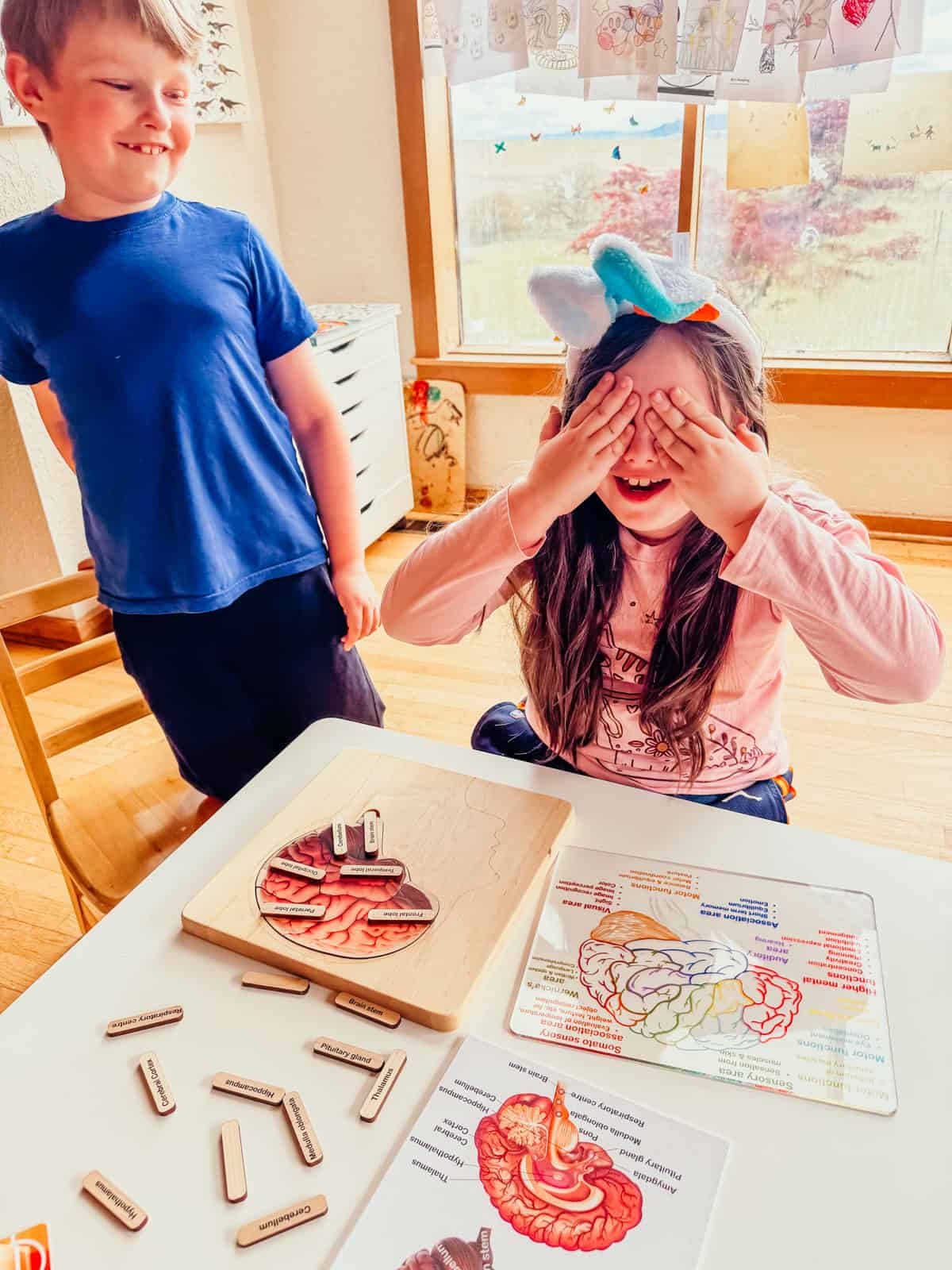
Once you find out the part of your brain responsible for vision is in the back of your head, it shakes up your world like no other.
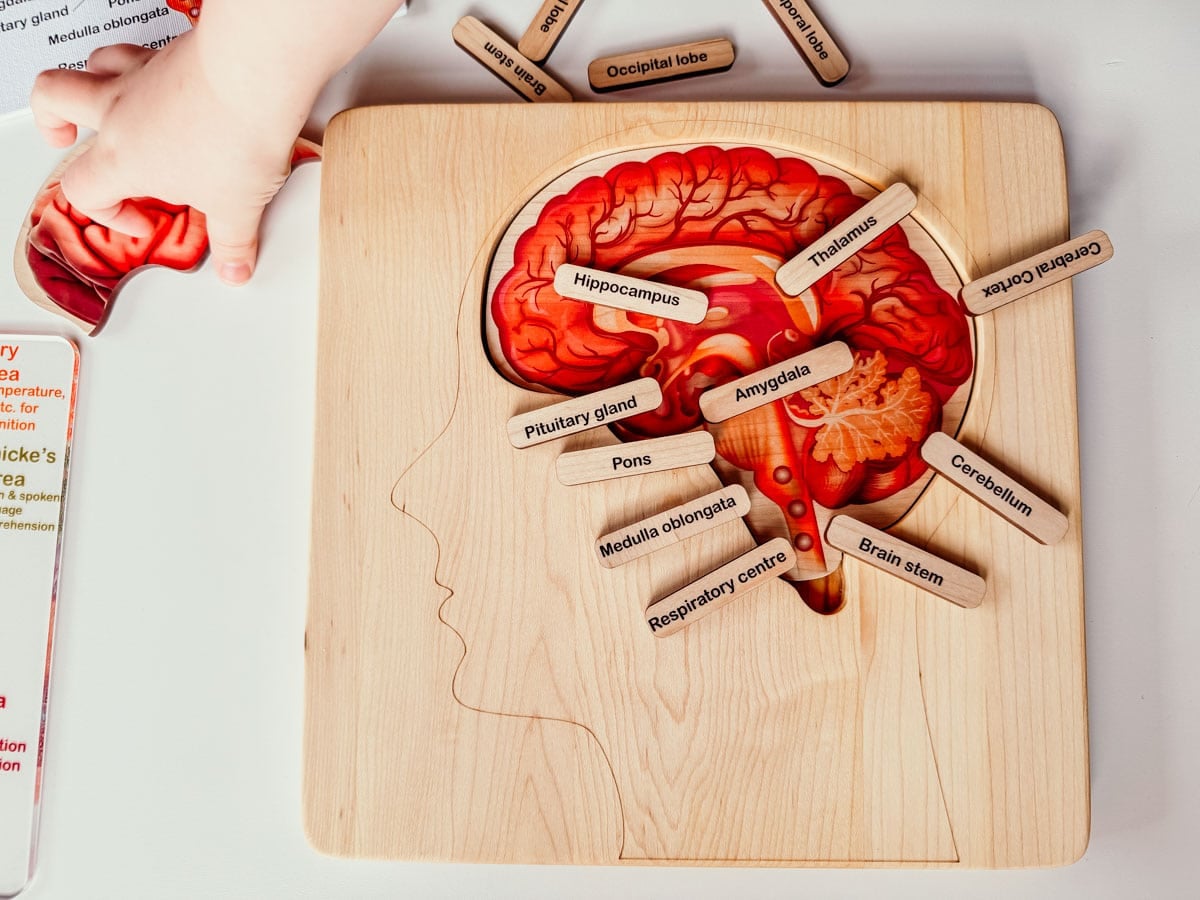
First, Kaia and Noah built the outer brain and then labeled its parts - definitely a vocabulary worth taking your time on. There are 3-part cards included with the puzzle for practice.
Use your own judgment, but we think the included printables are a must.

Once the outer and inner parts of the brain are labeled, you can explore the functions of each part. The booklet will get you started planning your research.
An acrylic overlay breaks down the overall organization. What part could you live without if you had to?
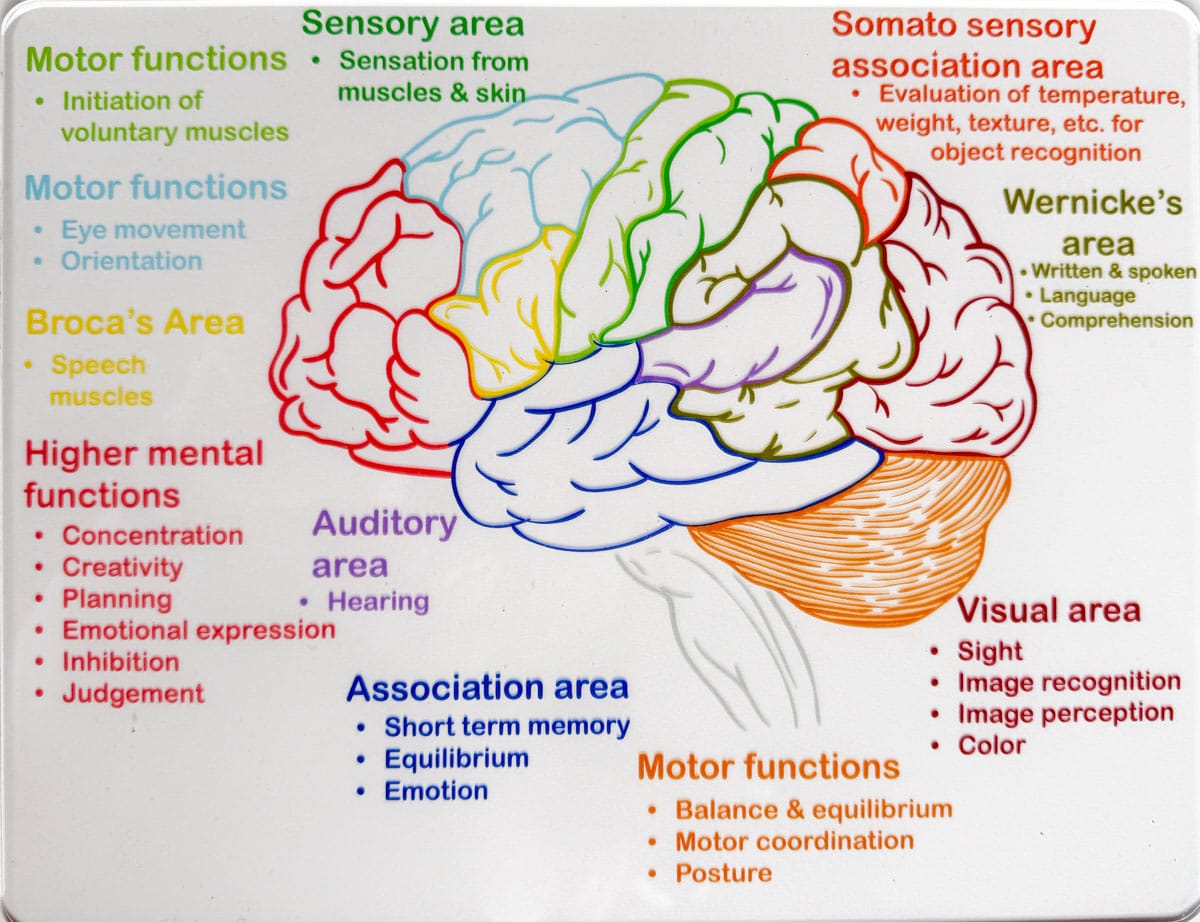
What are the manifestations of a brain injury if you take a blow to the front vs the back or side? How would your body be affected?
Noah decided the brain stem is most important, and Kaia could do without a functioning parietal lobe...
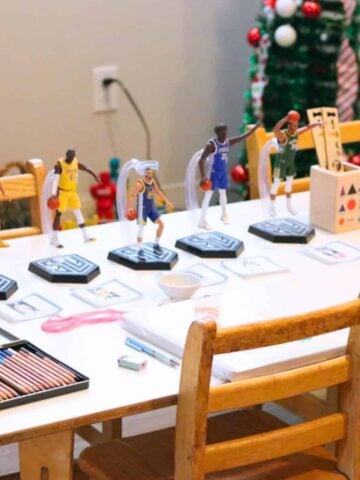
Want to learn about diseases of the nervous system? Try Lou Gehrig's disease to tie it to your child's love of baseball. Do you know of a player who has shared an interesting injury or health issue? This is a great time to learn more about it.
Other Systems of the Body
There are other systems of the body to explore, including the endocrine, excretory, integumentary, lymphatic, muscular, and reproductive systems. The activities above are a great group to start with, but you can pick and choose the ones that interest you most starting out.
Cellular Anatomy
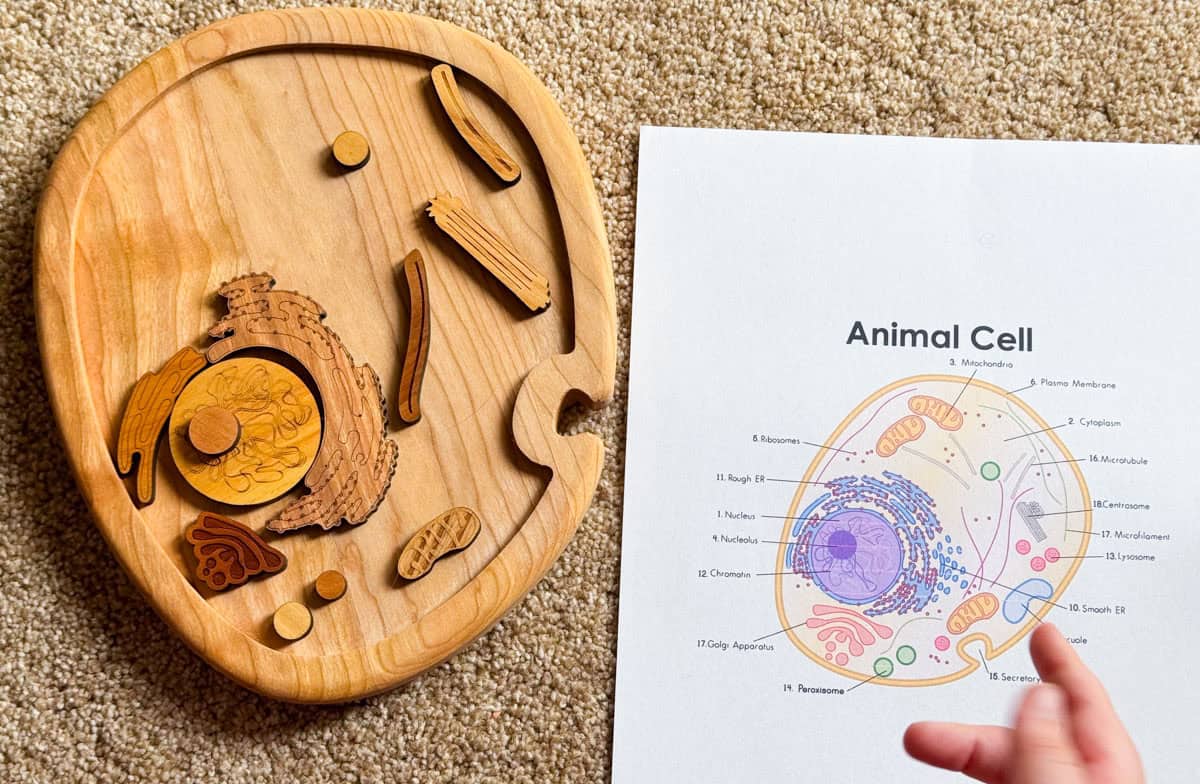
Wanna go small? Take the same approach with cells. Explore cellular anatomy by constructing your own cell and labeling it. Learn the important roles of the organelles, how they work together, and pick a couple to explore further.
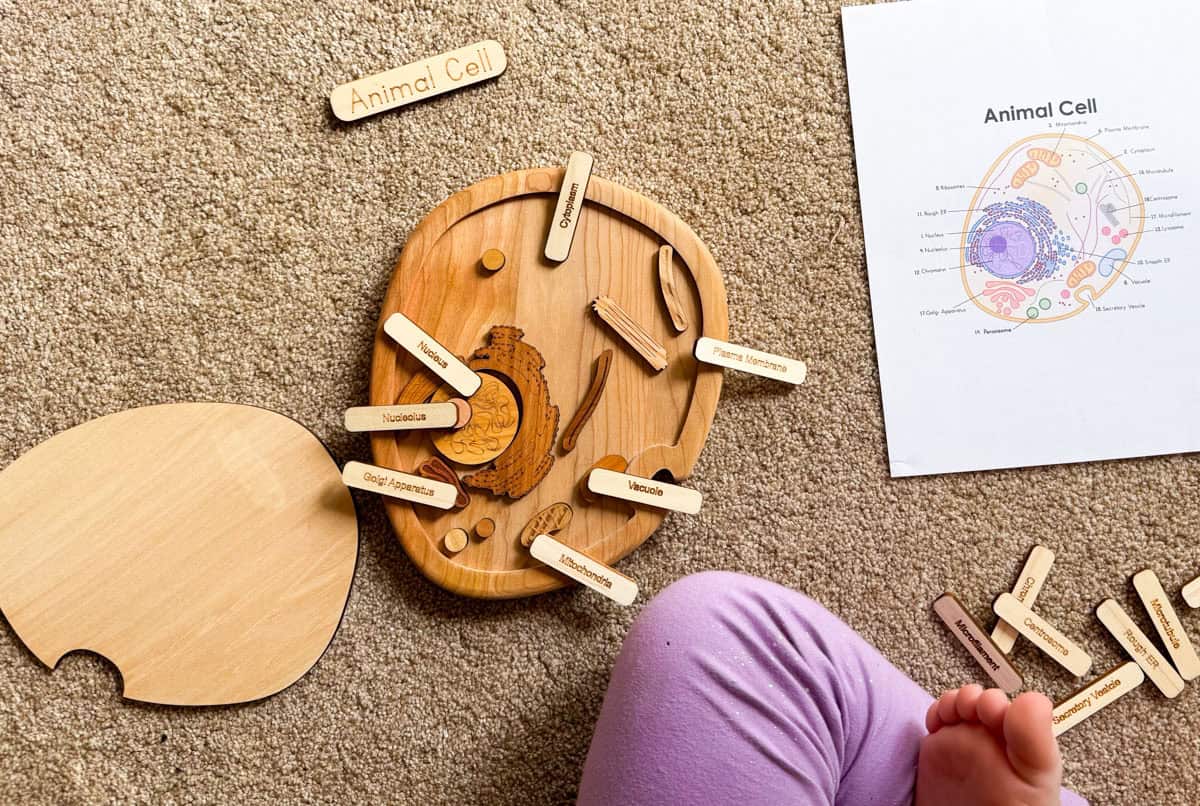
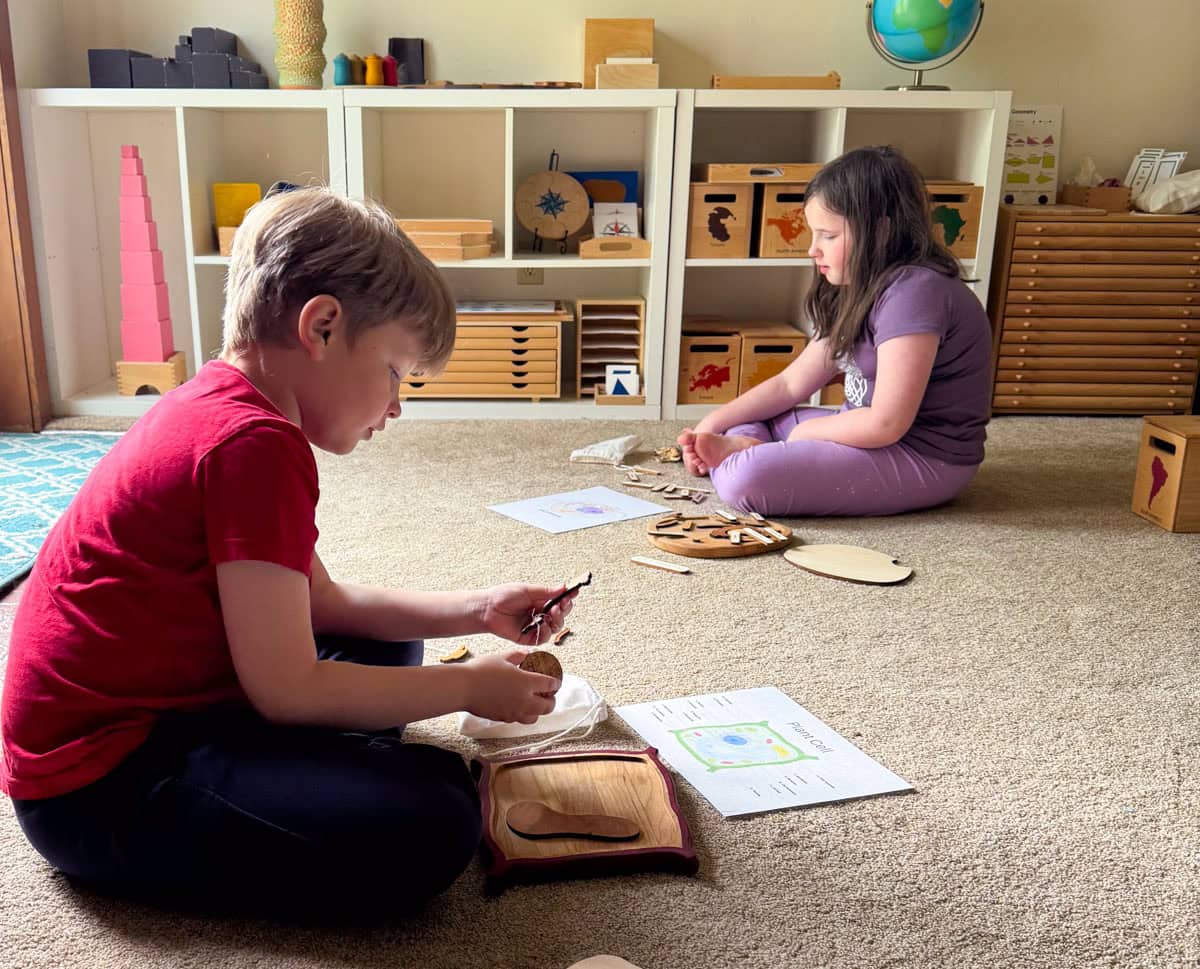
We enjoyed learning about the differences between the cell structure of animals and plants.
Systems of the Body
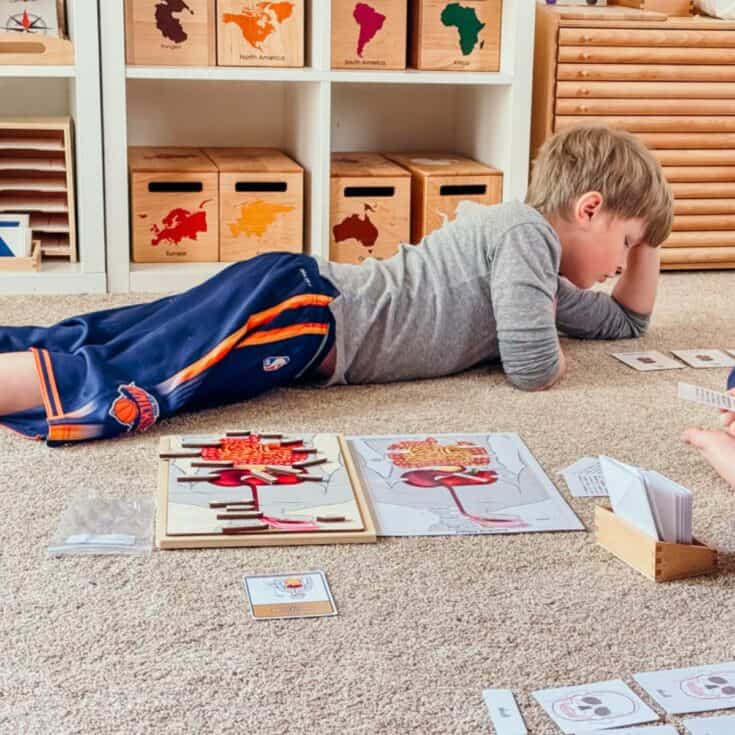
Learn about the systems of the body and how they work, and you're one step ahead of the game when they don't.
Materials
- Cardiovascular System
- Fruit Punch Gatorade
- Small & Large Straws
- Scissors
- Tape
- Clay or Dough
- Respiratory System
- Empty Gatorade bottle,
- Straws
- Balloons
- Tape
- Dough or Clay
- Skeletal System & Digestive System
- Alison's Montessori Skeleton Puzzle
- Alison's Montessori Digestive System Puzzle
- 3-Part Cards
- Nervous System
- Mirus Toys Brain Puzzle
- Cellular Anatomy
- Mirus Toys Animal Cell
Instructions
- Work with the materials listed and identify areas of interest.
- Do research based on those interests.

Leave a Reply