
"Welcomed me with open arms, provided a place to crash at
a place to study math at, matter of fact, I learned it all."
- Jaÿ-Z
These upper elementary math lessons include a little bit of this and a little bit of that, but it's definitely enough to get you going. Find the materials, the printables, the book, or the supplier for your needs. Or you can do like we do and use a mix of them. It's always good to have options to choose from and elementary students usually like variety.
Jump to:
it's all related!
Elementary Grammar Lessons
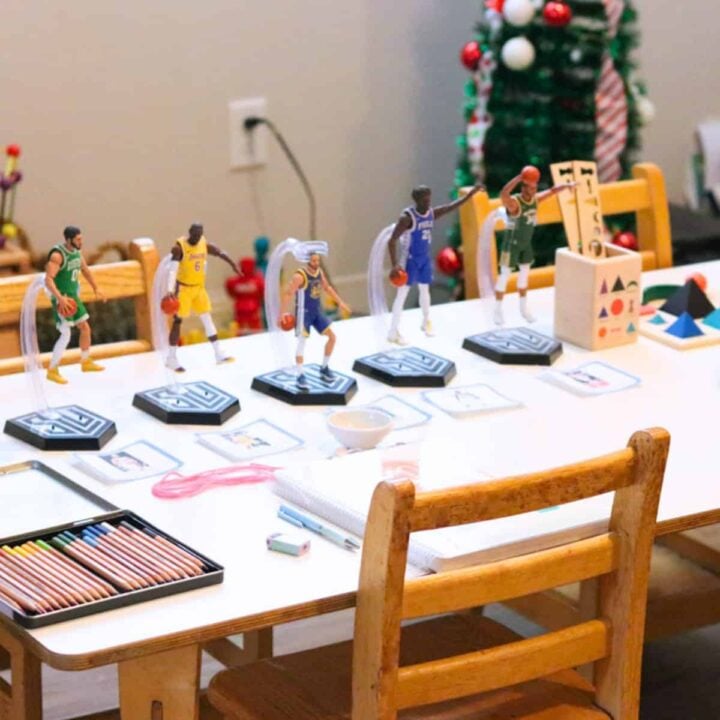
Connect to the work through their personal interests.
it's all related!
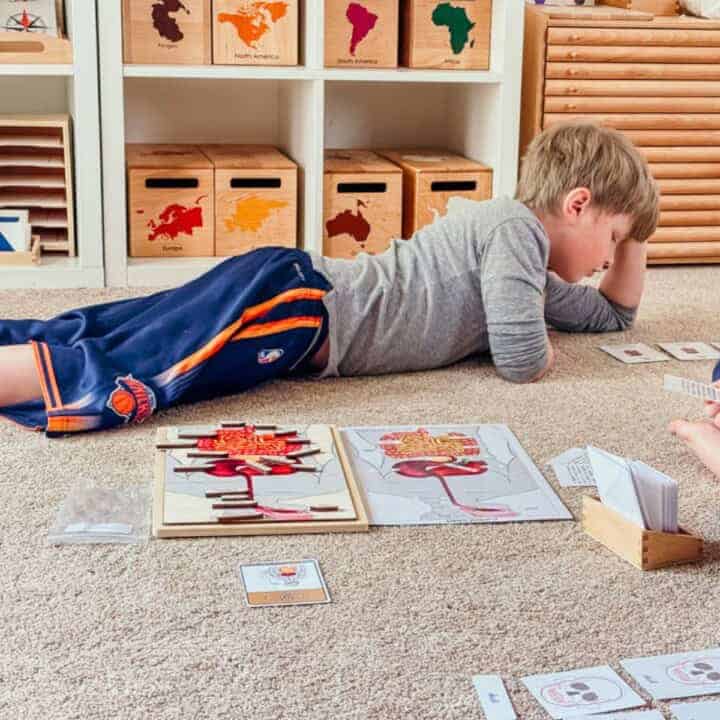
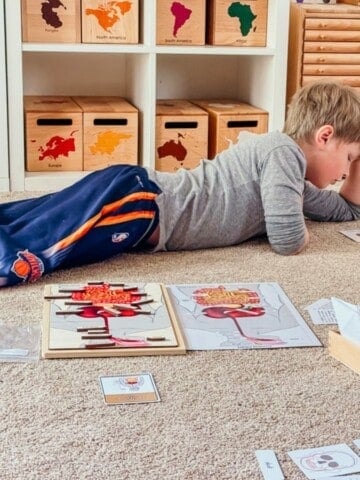
Systems of the Body
Learn about the systems of the body and how they work, and you're one step ahead of the game when they don't.
How to Homeschool Elementary
A Family-Style Approach to the Montessori Great Lessons
Free Montessori Great Lessons Series
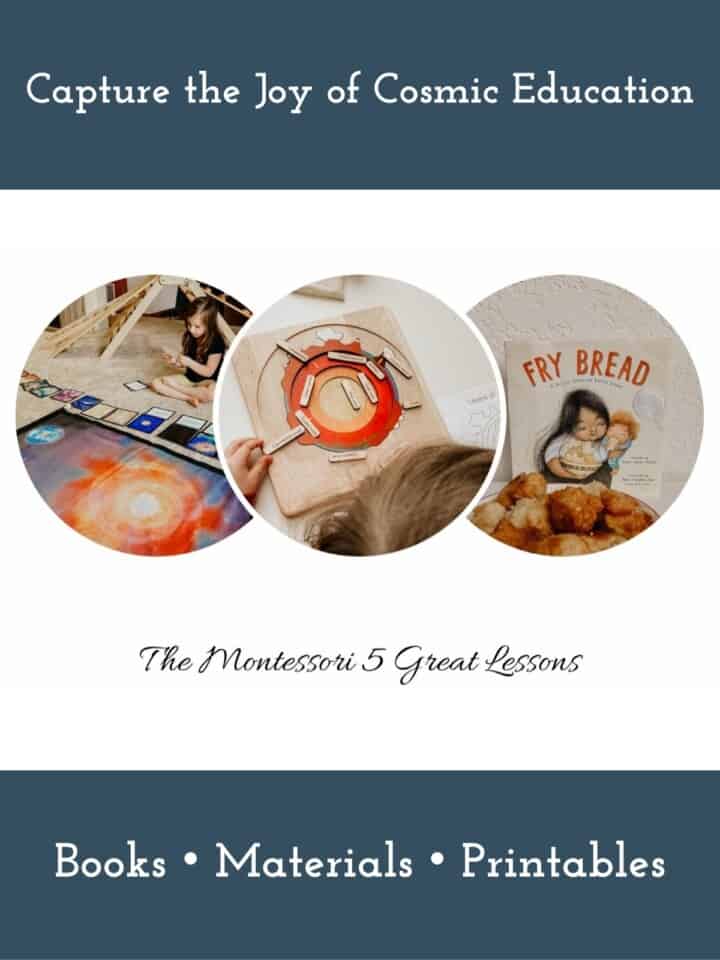
Do you want assistance with planning your year? We've put together a FREE series on the Great Lessons for elementary and family-style learning that will take the overwhelm out of the beginning of your school year and keep you moving with ease all the way to spring.
Explore the Montessori Great Lessons, the introduction to the Cosmic Curriculum, traditionally given to Elementary students near the beginning of the school year. This free 5-part weekly email series will help you tell the story of how our universe began all the way to the origins of language and numbers.
Montessori's Five Great Lessons provide children with a contextual understanding of who they are, where they come from, and their unique purpose or cosmic task. Sounds like a big undertaking, right? Well, it doesn't have to be.
Learn more about this elementary homeschool course.
Elementary Math Lessons
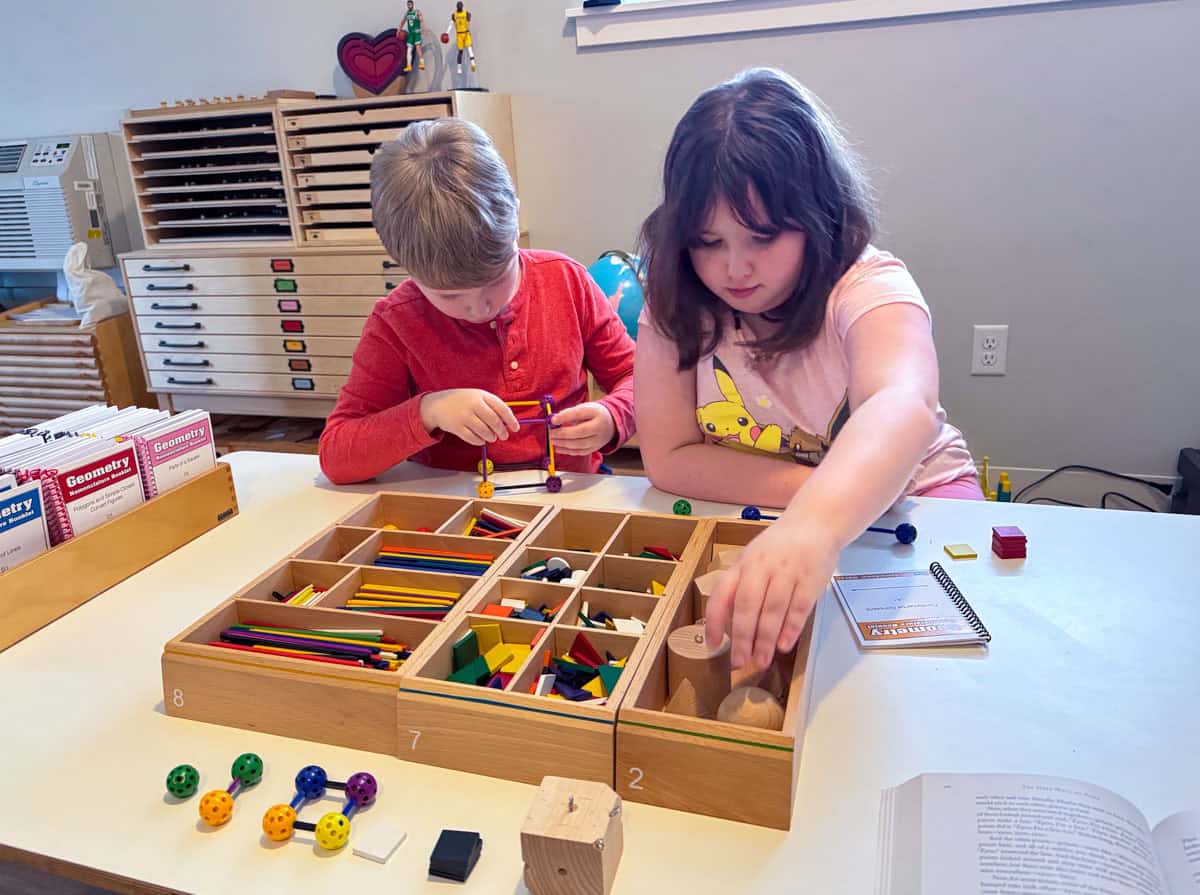
Intro to Elementary Geometry
Does anyone like Geometry as much as us? No!
"It is told that long ago, when geometric shapes made sounds and talked like people, there came a time when the points were all around. All there were, in every place, were points. Pchew. Pchew.
Now, for some reason, some of the points bumped into each other, Pchew-pchew. Pchew-pchew. Probably because points - pchew - are invisible. And then 2 or 3 points might stick to each other, maybe more. Maybe they liked each other & were friendly. Maybe they were in love.
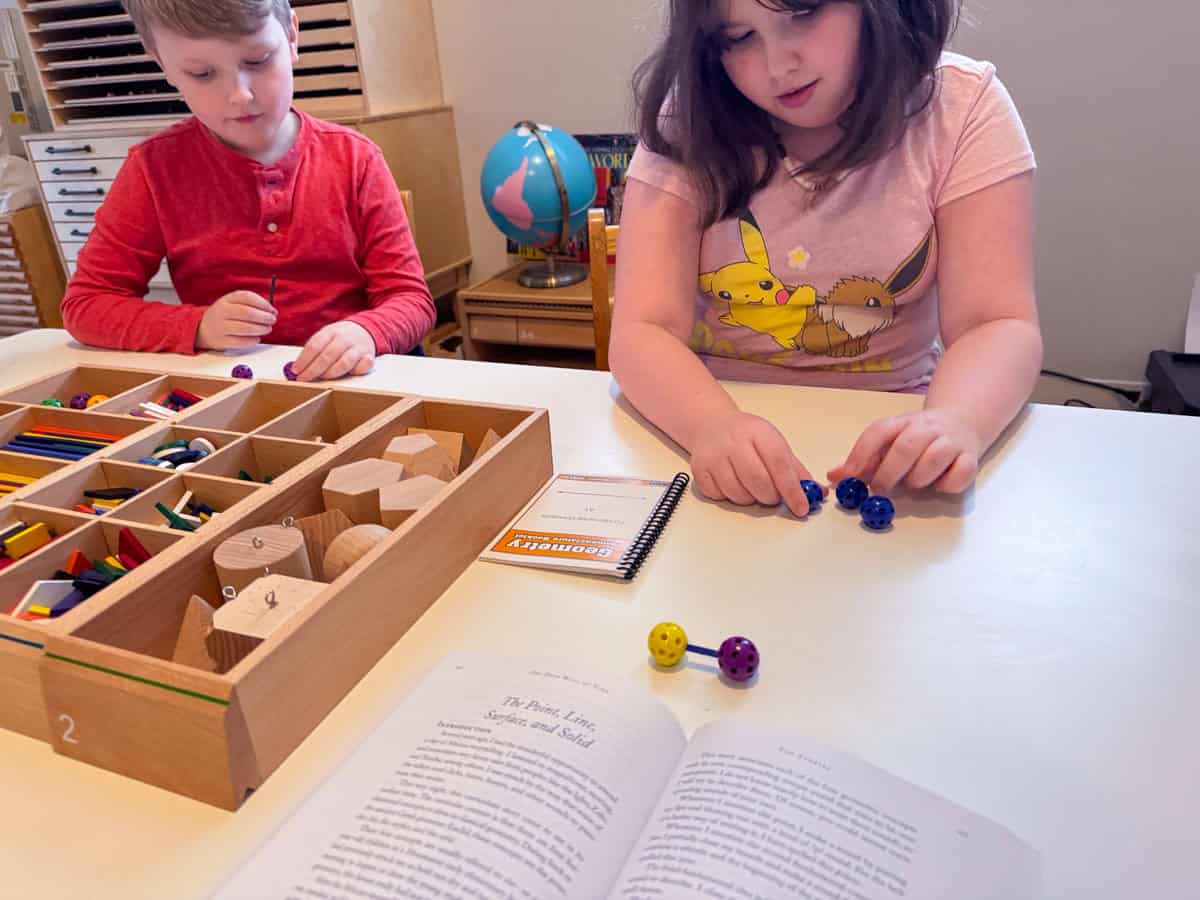
But they would stick to each other, pchew, pchew. And the other points were like, 'We're just being points here, and all of a sudden, you think you're a line?' Points & lines were everywhere.
Sometimes the lines bumped into each other. Probably because they're invisible.
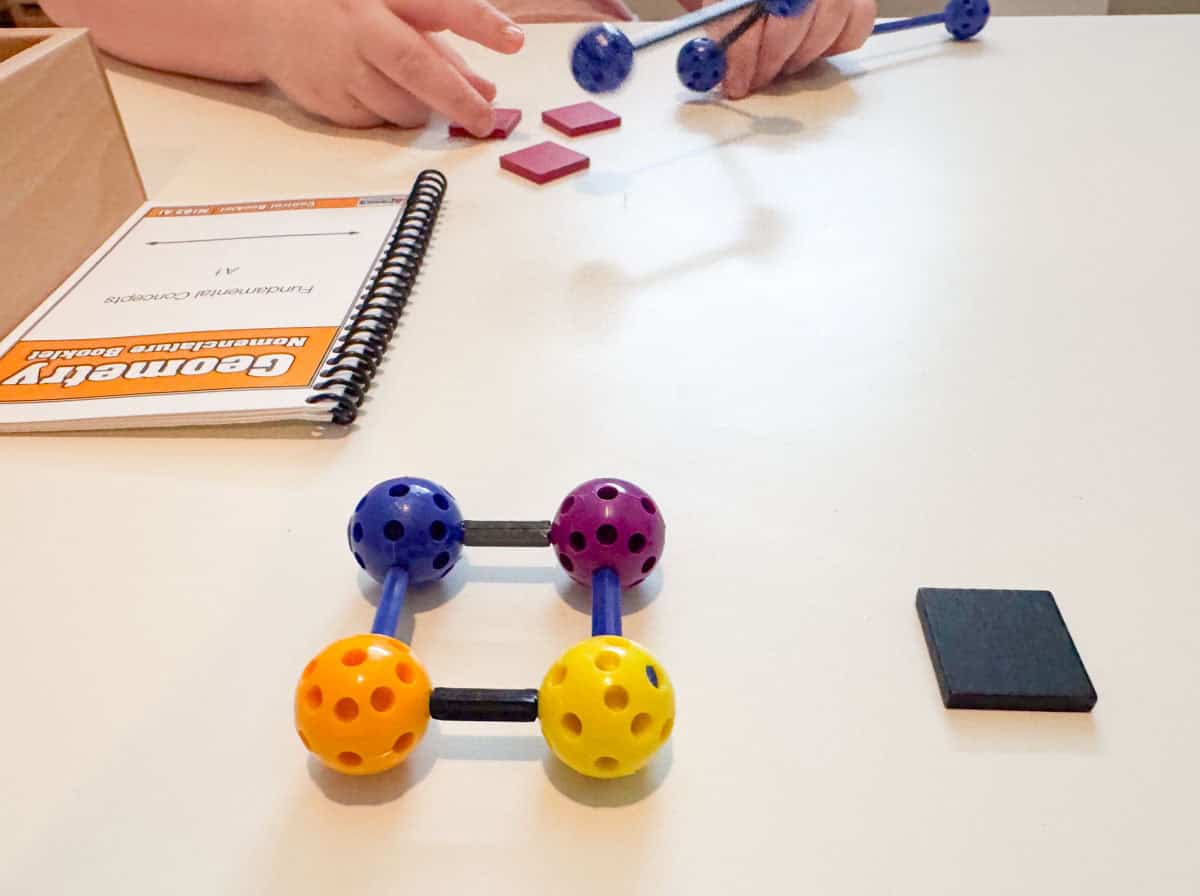
Sometimes they'd stick. Maybe 2 or 3 or even more lines would stick together. They looked at each other and said 'Humm. We're a surface.'
Maybe they liked each other and were friendly. Maybe they were in love. So, they would stick to each other. Now many of the surfaces were flat, though some were curved and some were twisted, but they were all surfaces. So now, there were points, lines, and surfaces.
Then some of the surfaces began to bump into each other and stick together. They looked around and went, 'Huunh! Solid. We're solids.'
And everyone could see them suddenly, because they were solid. And do you know what? Even today, they are still here, even now, all around us. There are points in the corners, lines, surfaces on the sides of things.
And anything you can hold or pick up or feel is a solid."
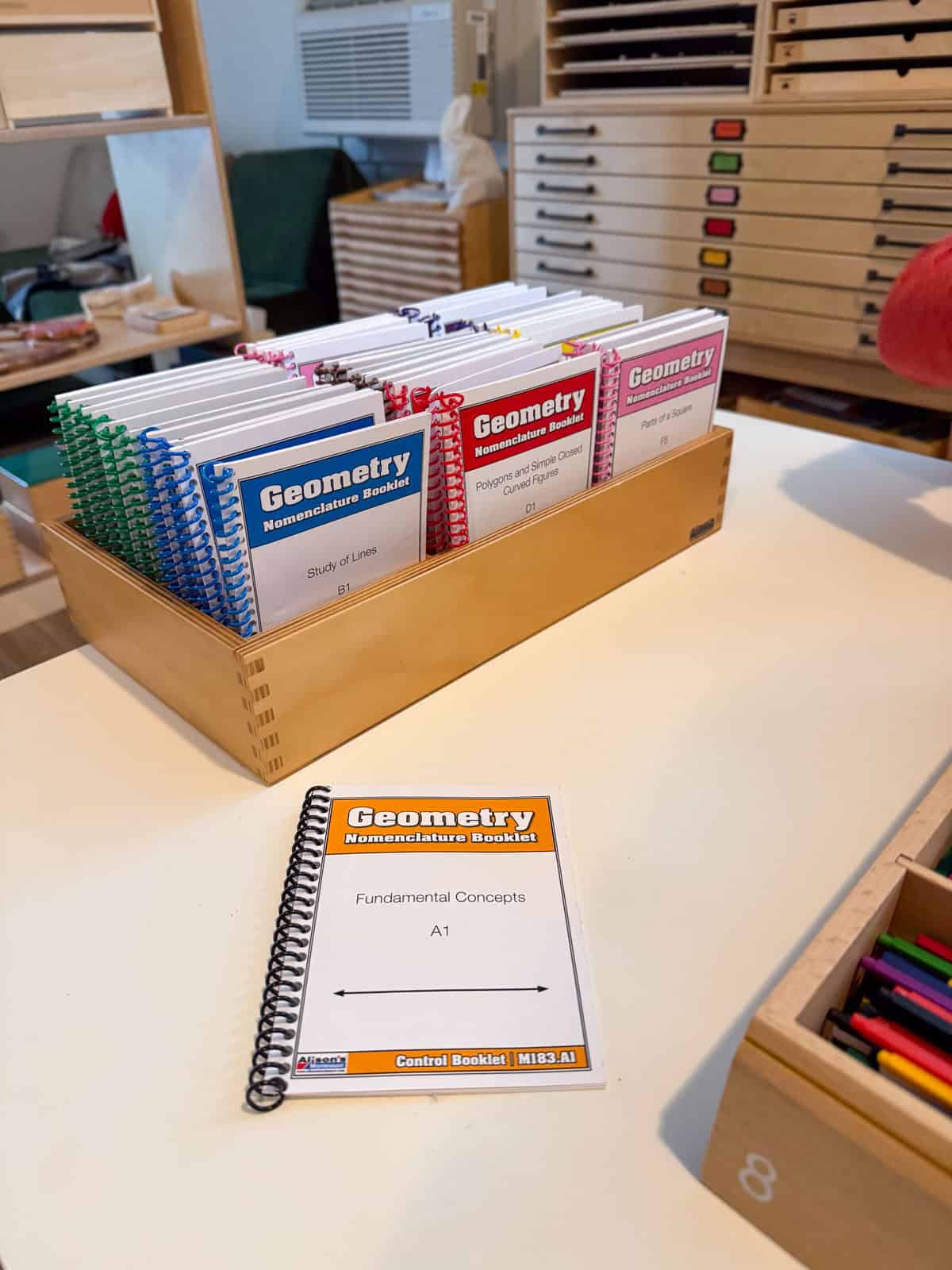
This story is from The Deep Well of Time. Stories are a great way to introduce new concepts. The manipulatives are part of a complete set from Spielgaben. The geometry booklets are from Alison's Montessori.
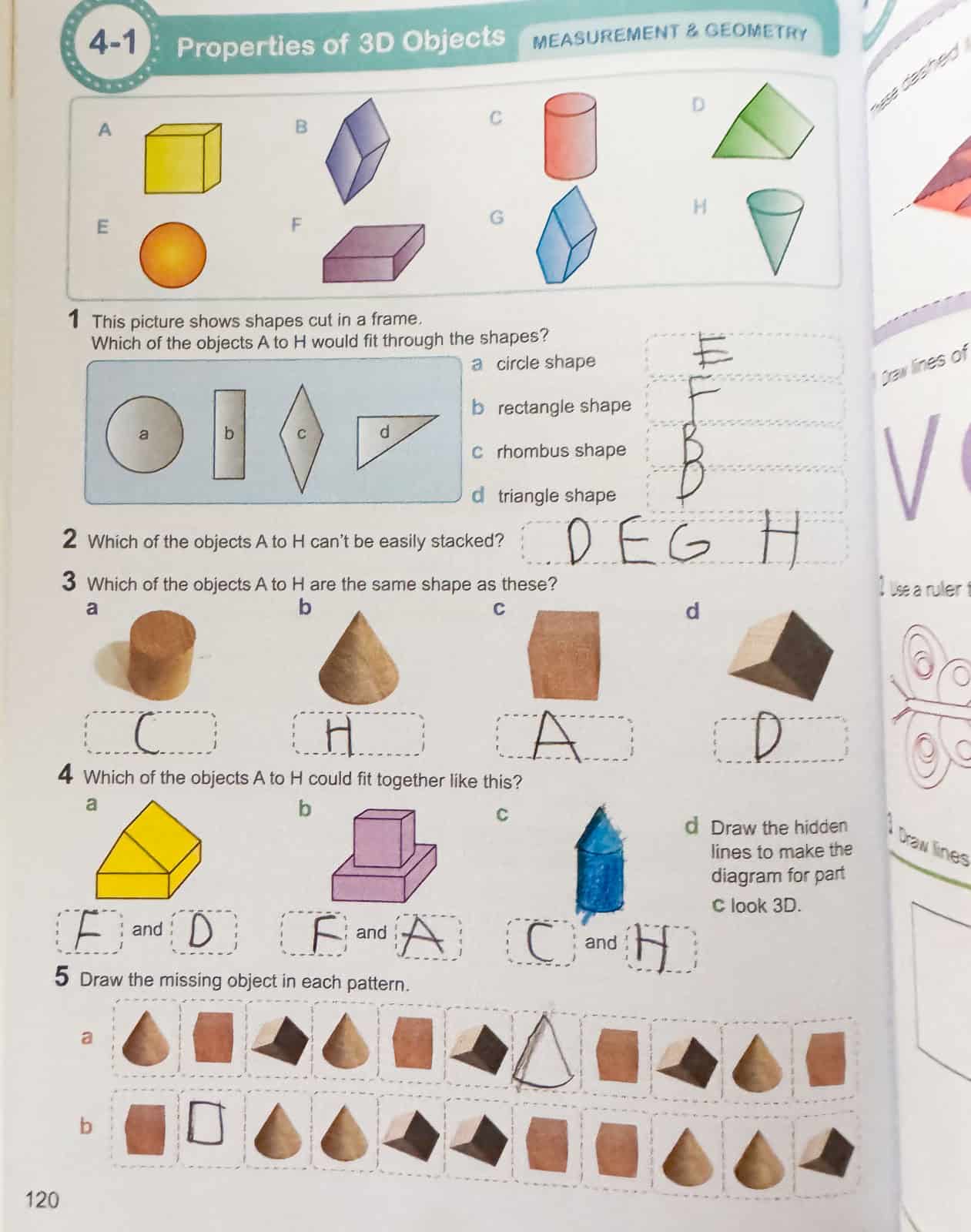
Spielgaben offers math activities to support the lessons.
Regular vs Irregular Polygons
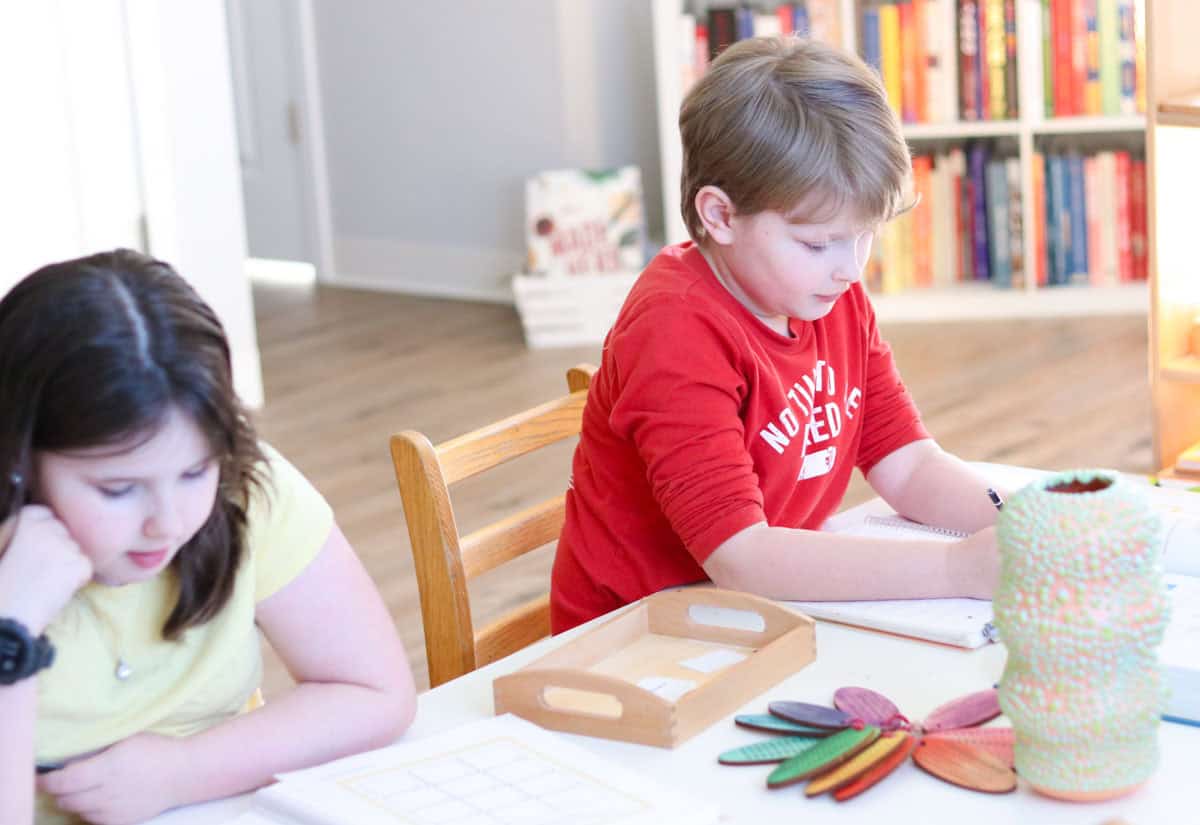
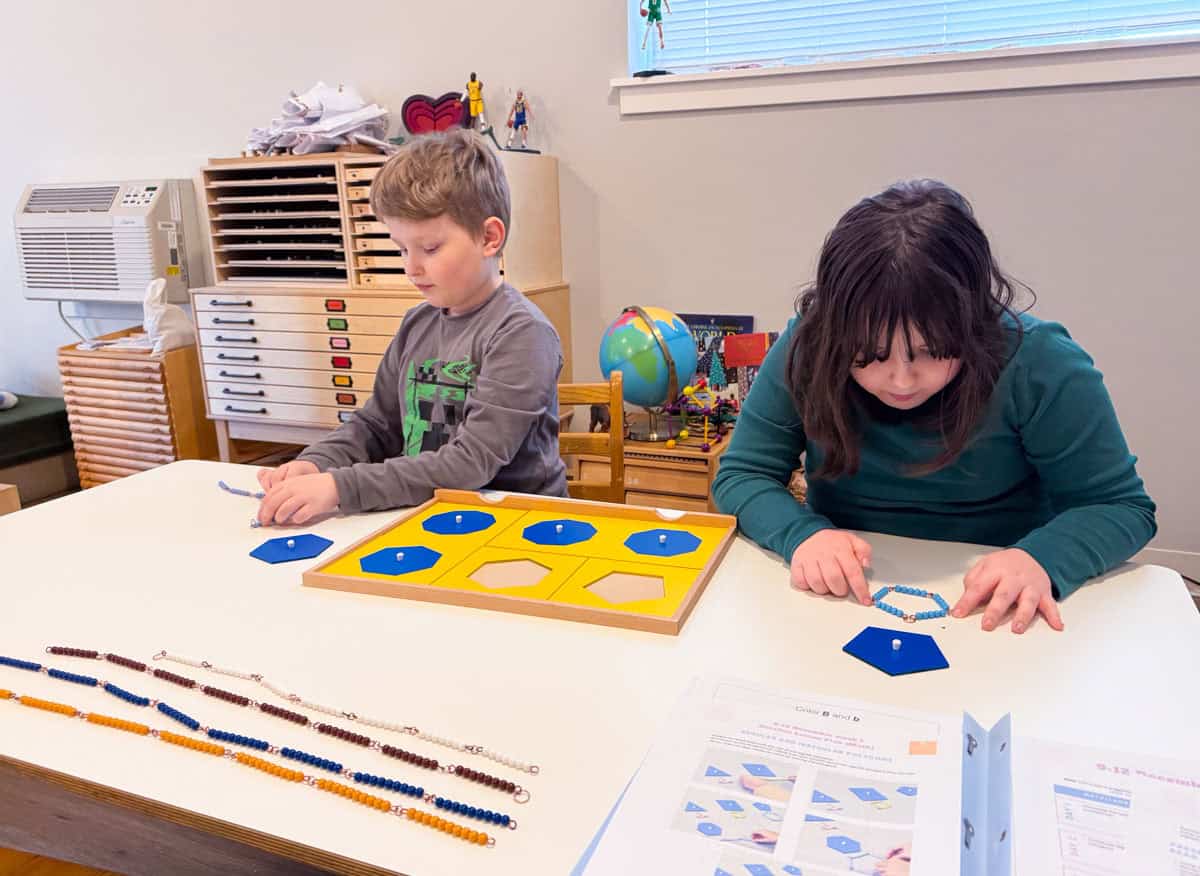
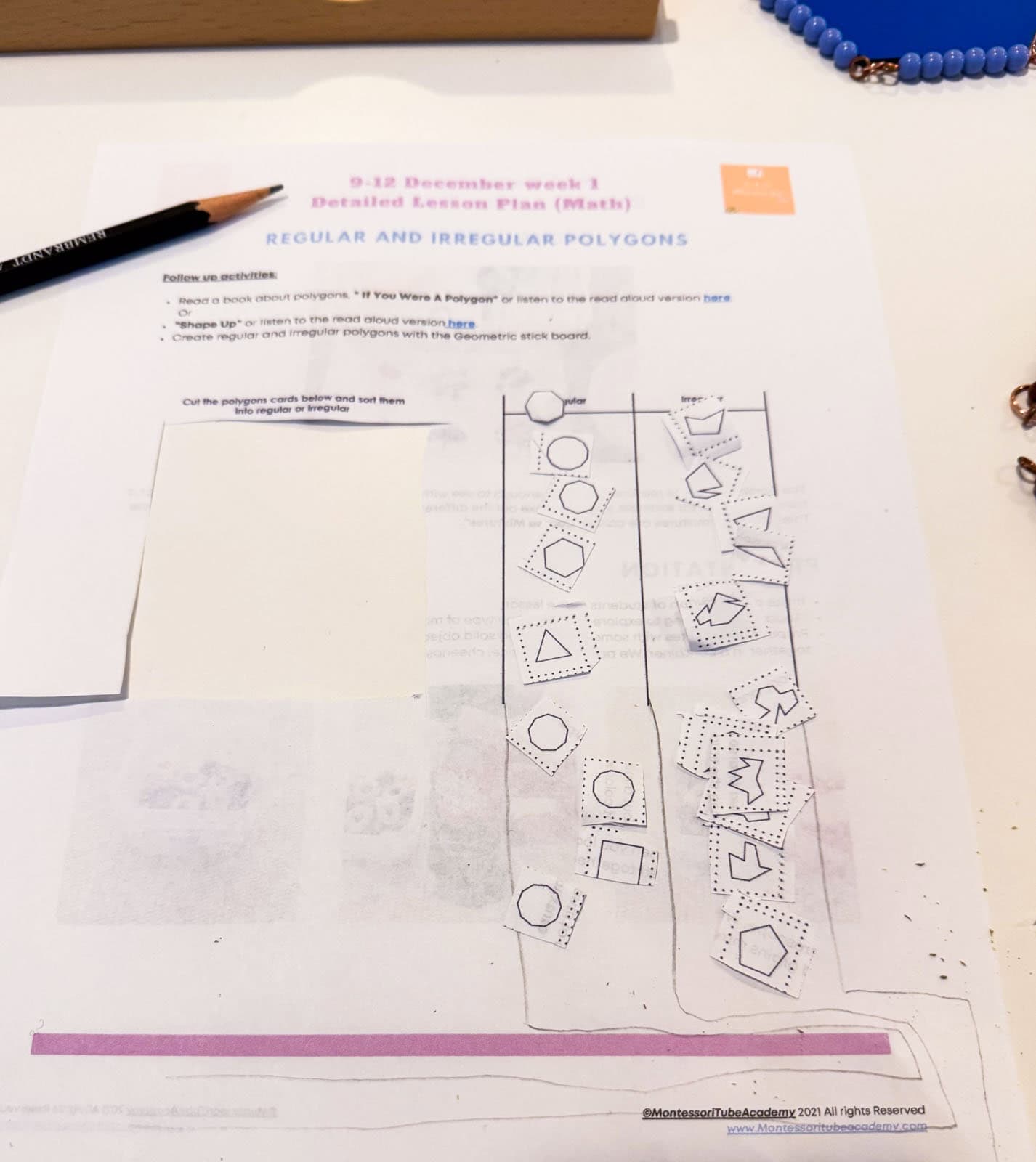
Are you Irregular at the Geometry shelf? Kaia and Noah love working with Montessori math materials because it's hands-on fun.
They learned that a Polygon is a closed shape with straight sides: triangle, rectangle, octagon, etc., and they learned that a Regular Polygon has = angles and sides with = length.
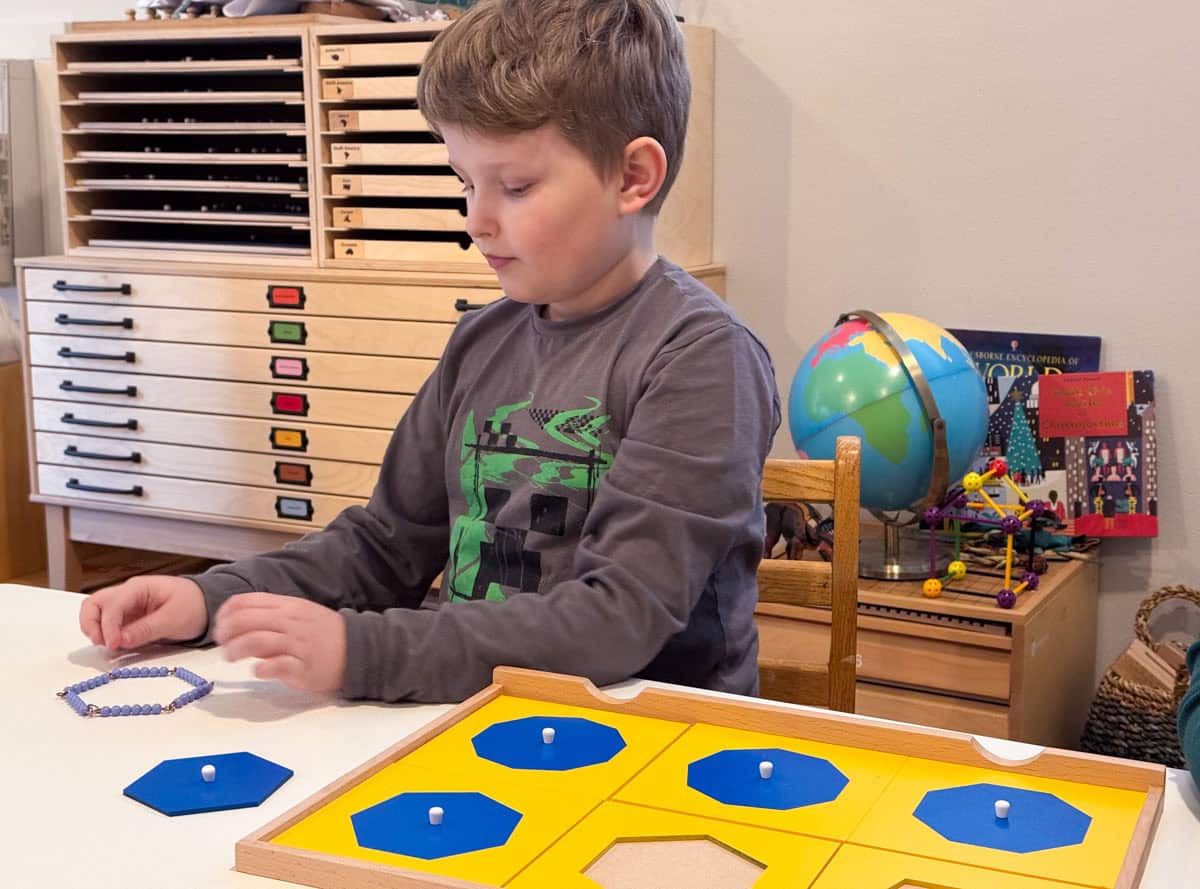
They built regular polygons using bead chains to reinforce the concept. Afterward, they sorted shapes by regular vs. irregular to demonstrate understanding. See if you can tell which one they missed.
If you want to teach math to kids at home, and you want to just pull up and go, Montessori Tube Academy's Inclusive Club has the presentations, printables, and tutorials you need - beginner or pro.
Circumference
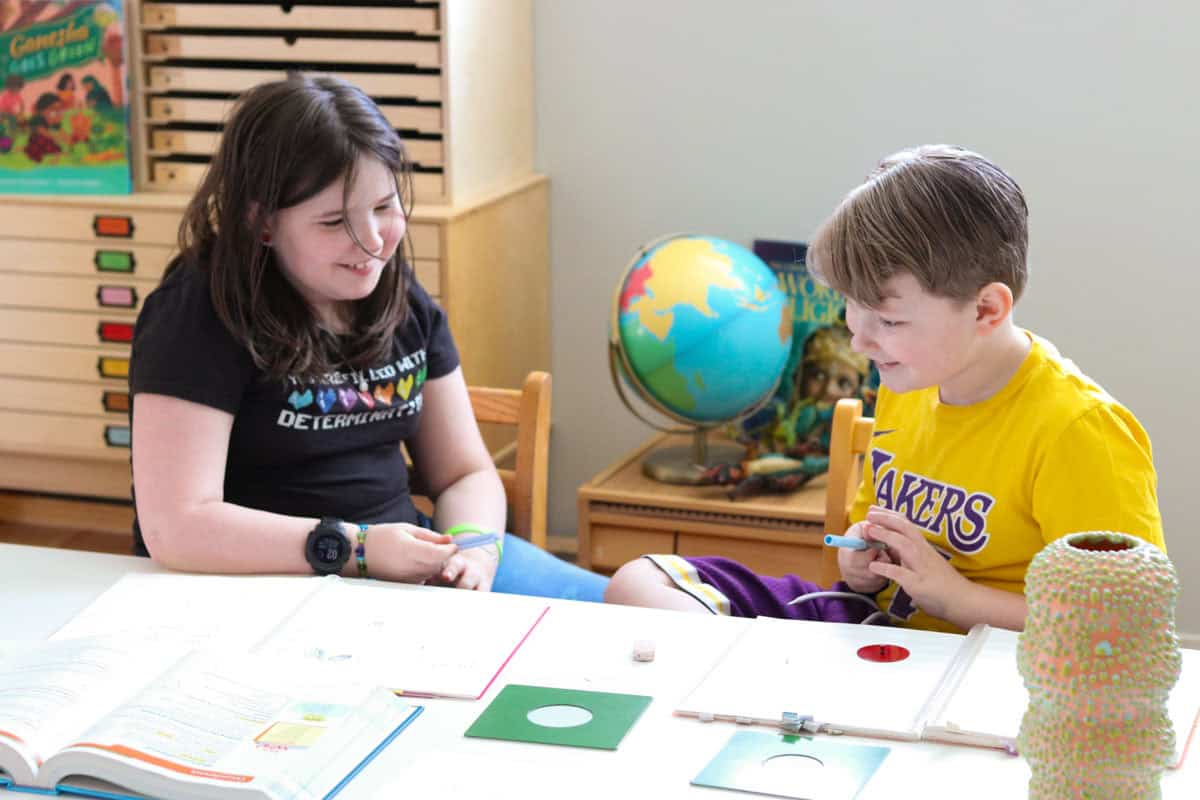
Do you know the parts of a circle? The kids have been working on circles and circumference, which is really cool. (We love shapes, if you couldn't tell.)
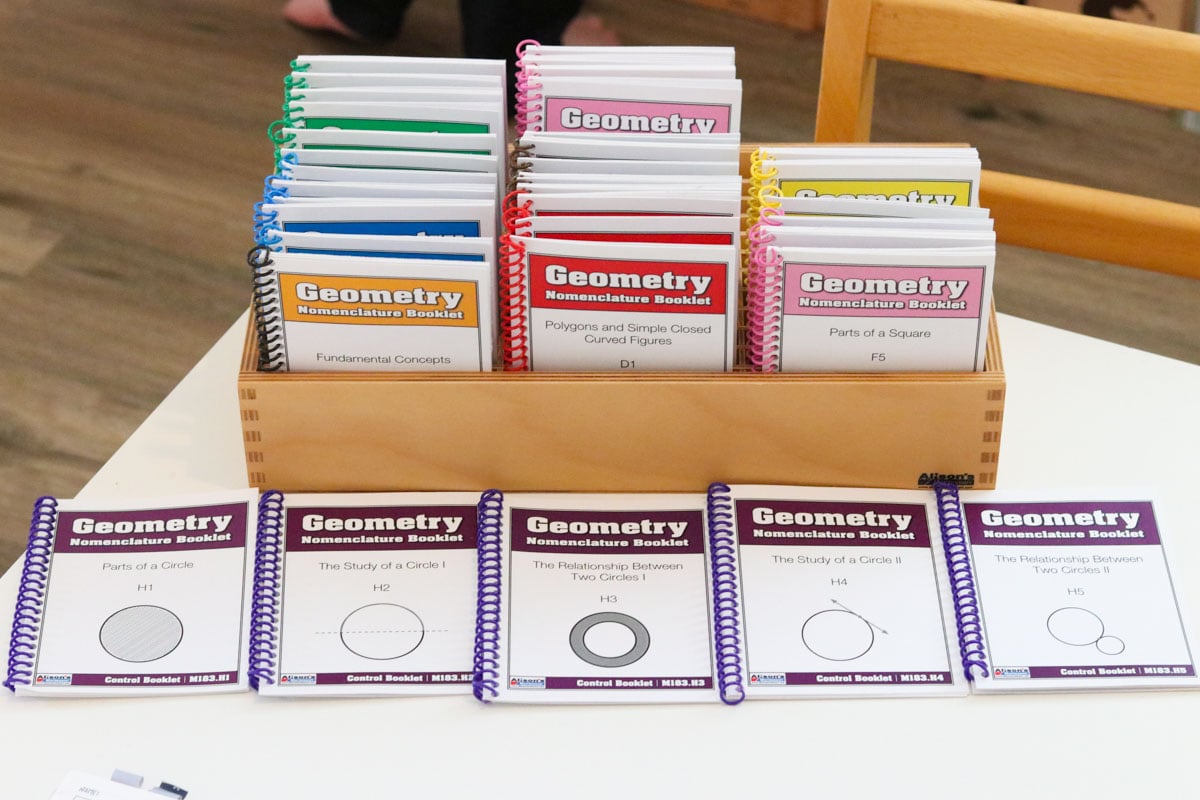
They use their Geometry booklets to explore the nomenclature (radius, diameter, tangent, arc, chord), and then they draw & label their own circles in their notebooks.
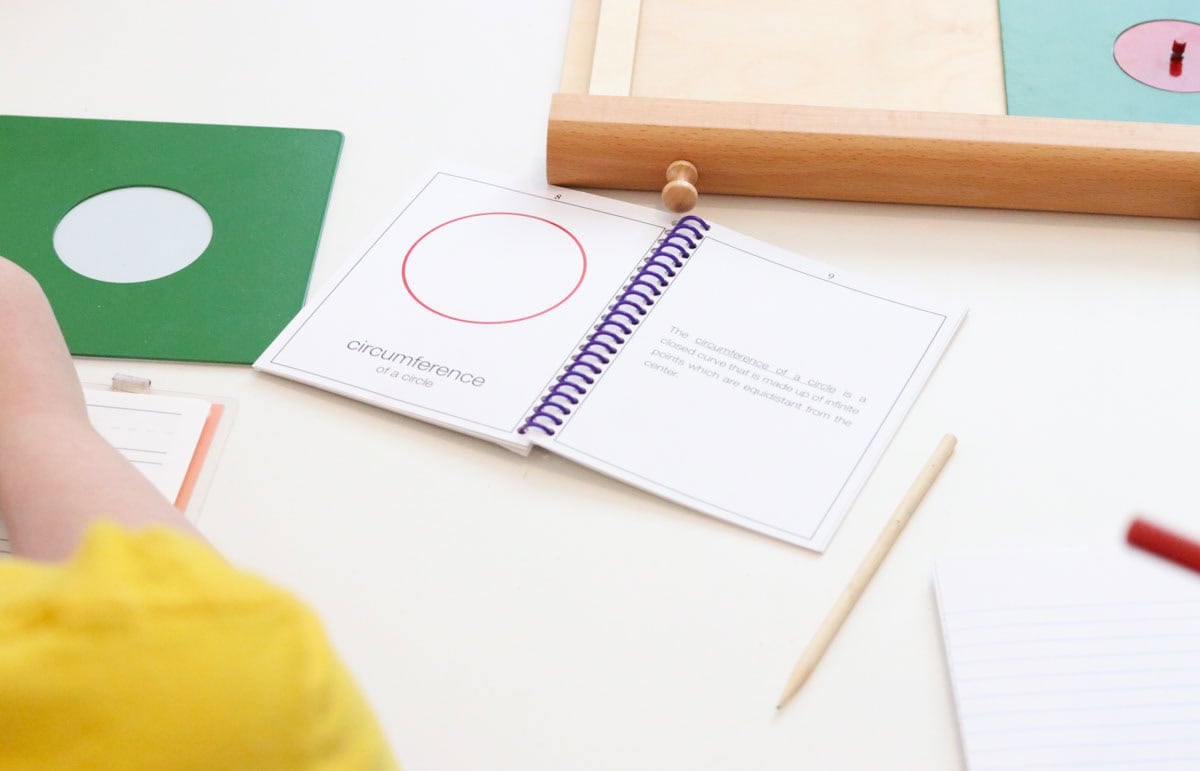
Afterwards, we explored the relationship between diameter and circumference.
Did you know that the circumference of a circle is always a tad bit more than 3 times its diameter?
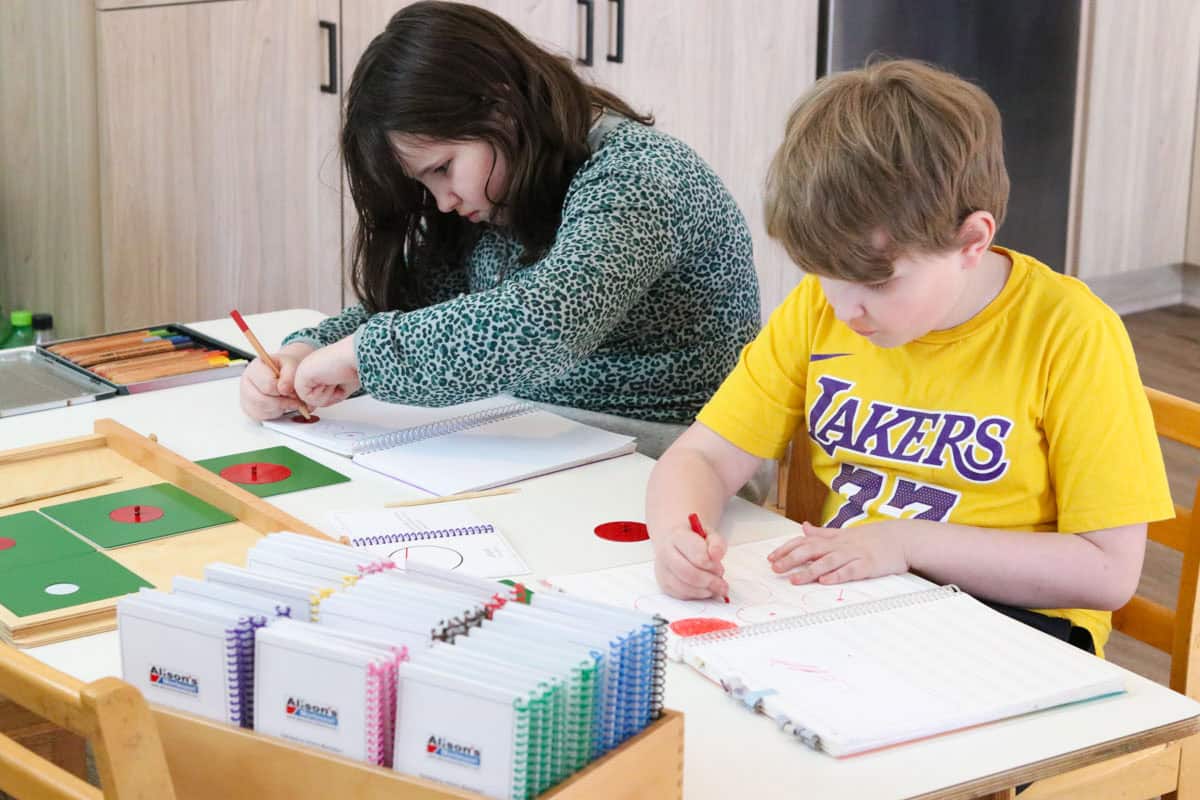
Grab a circle inset, cookie, or your favorite circular object and give it a try. We found out tortillas are difficult, but whatever you're measuring, do your best.
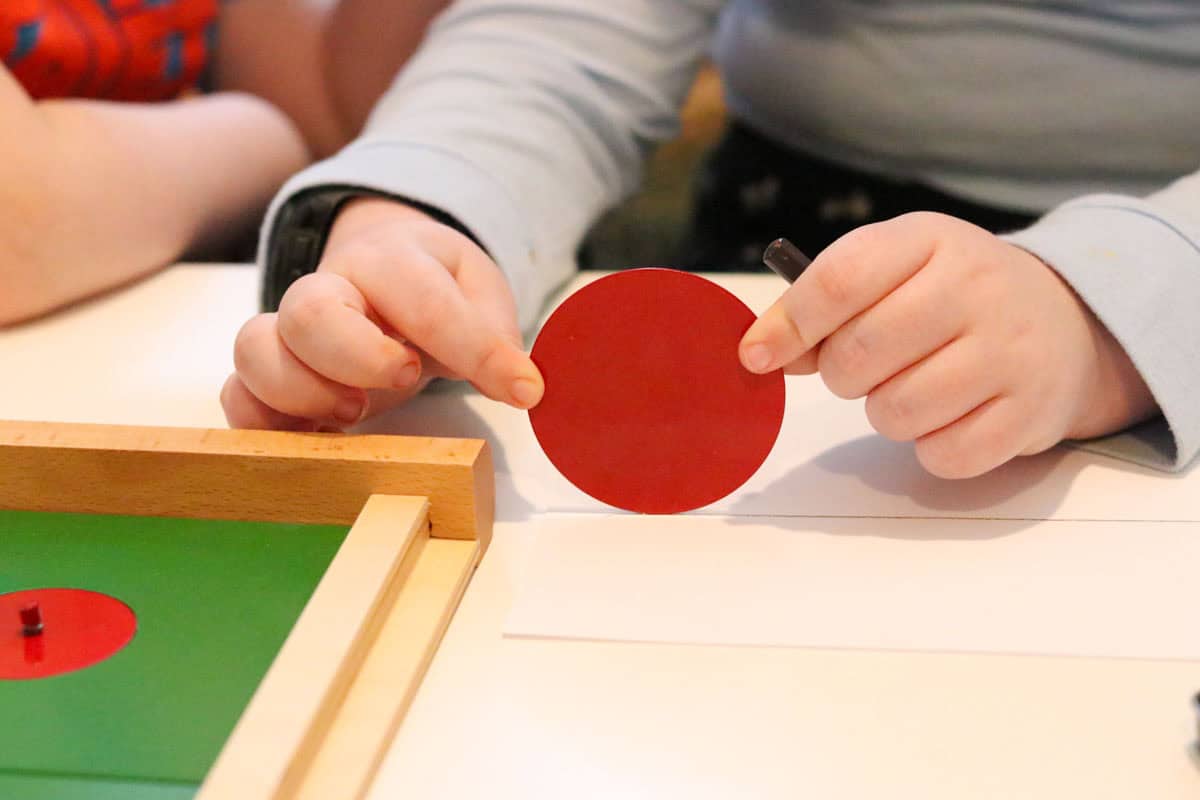
These lessons provide the groundwork for what you're going to play with next: pi. We are using Montessori Tube Academy's Inclusive Club curriculum and Math materials from Alison's Montessori.
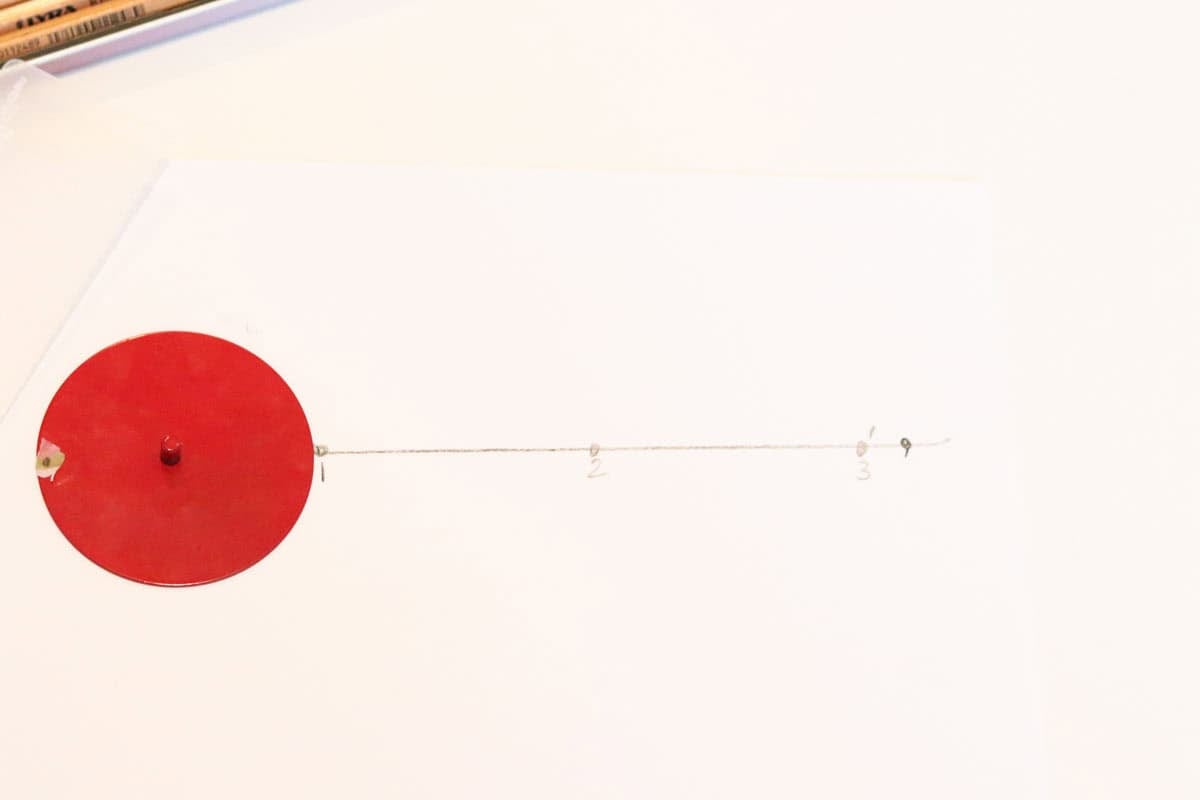
After using circle insets and paper to learn that the circumference of a circle is always a tad bit more than 3 times its diameter (C = pi x diameter), we turned to Southwestern Advantage to walk us through some circumference problems.
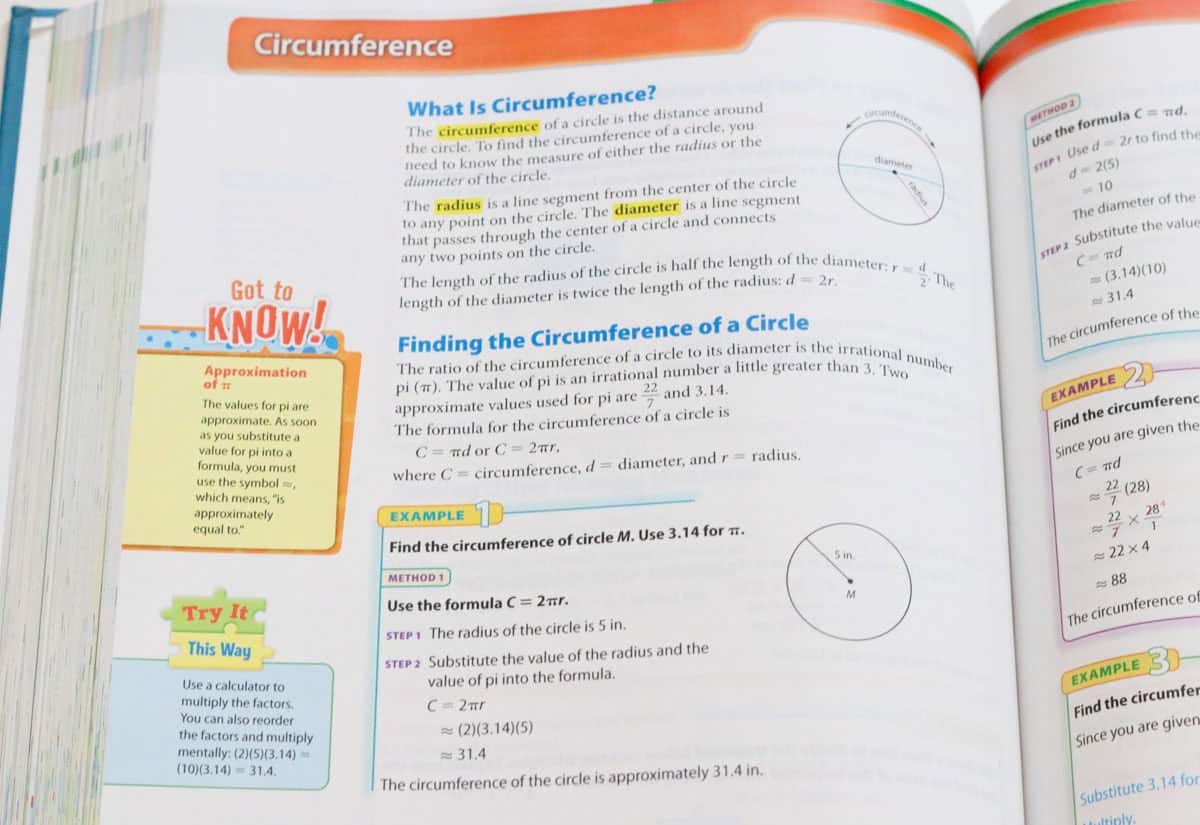
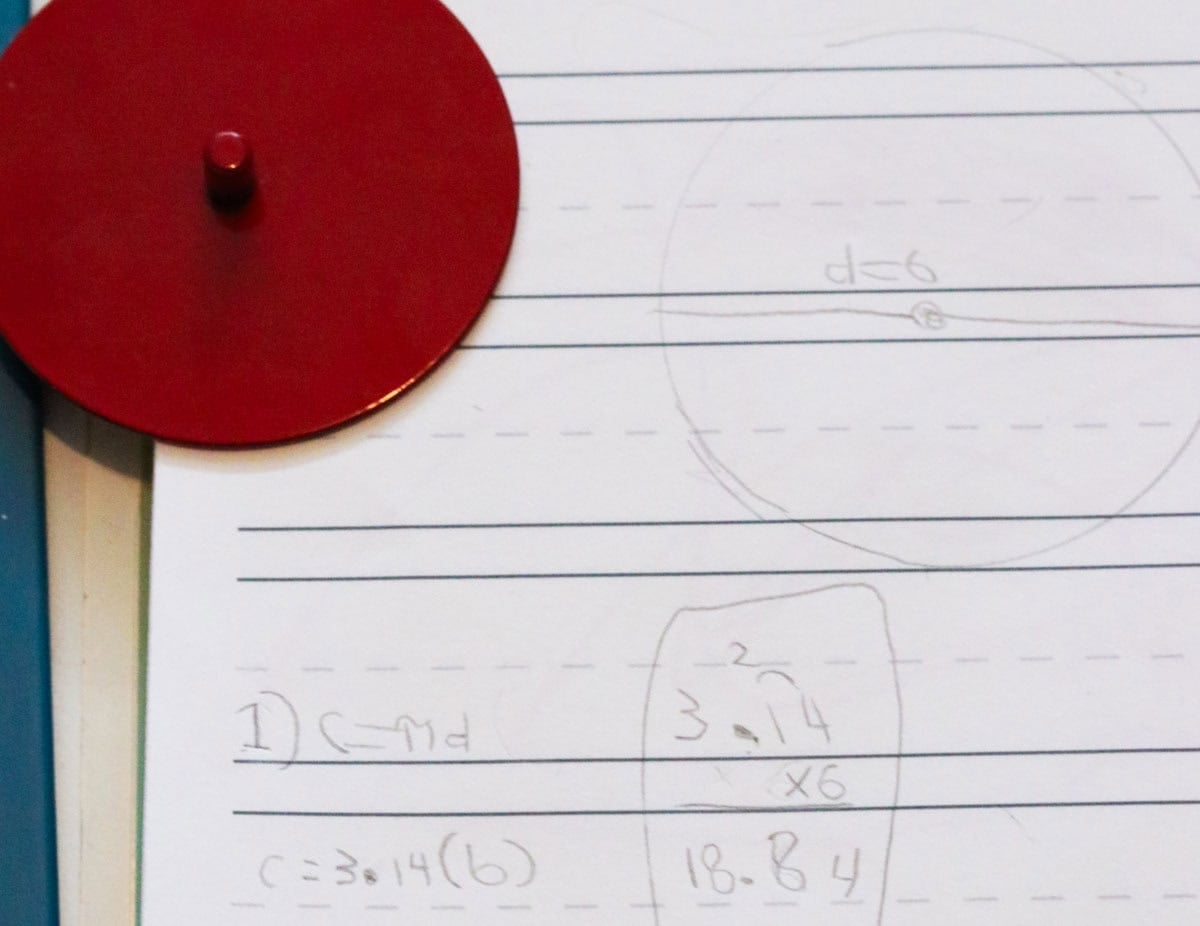
The kids grabbed their circle insets, labeled their circles with the given radius or diameter, and then looked at the appropriate circumference formula to calculate the distance around their circles.
Way quicker than all that measuring.
Learning Multiplication
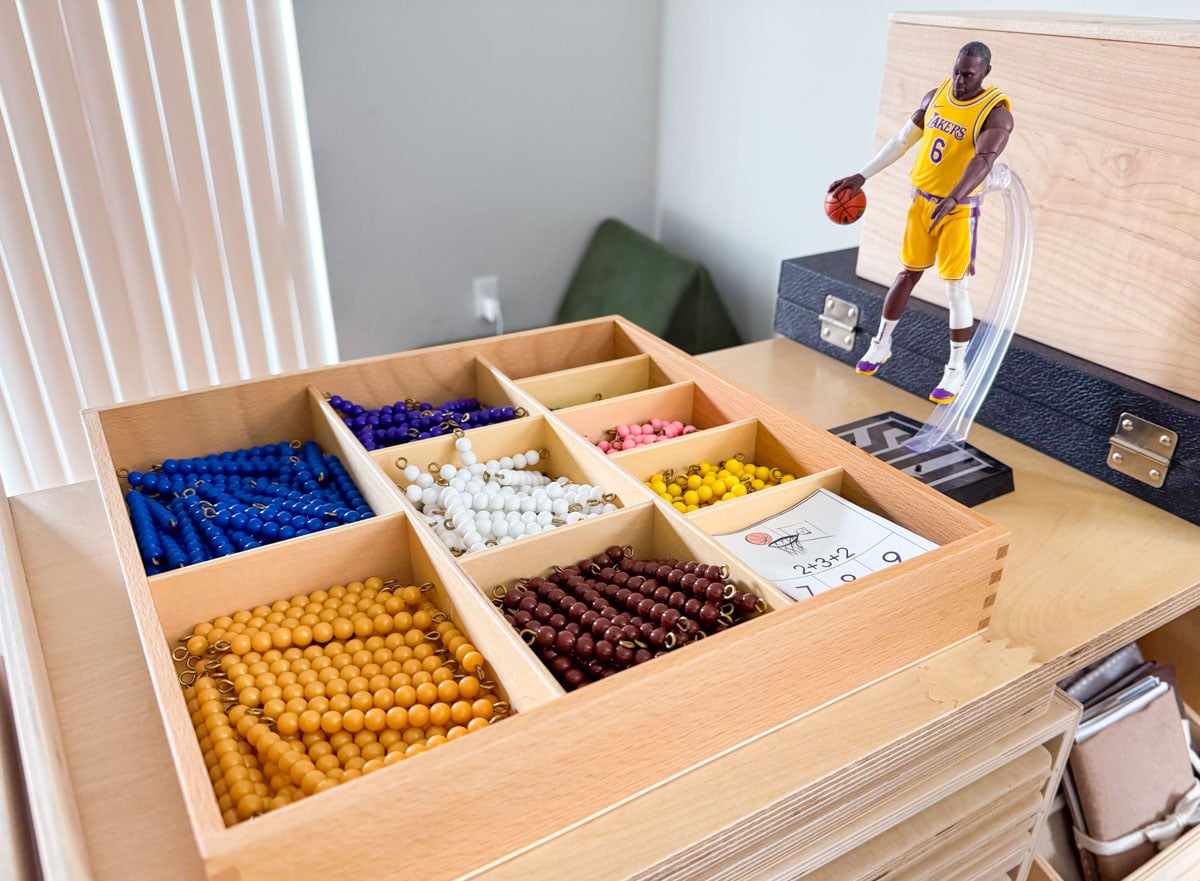
Got beads??? You may find that it is common in schools to move from teaching addition to subtraction, but in Montessori, Homey don't play that!
We go from addition straight to learning multiplication. No messin' around.
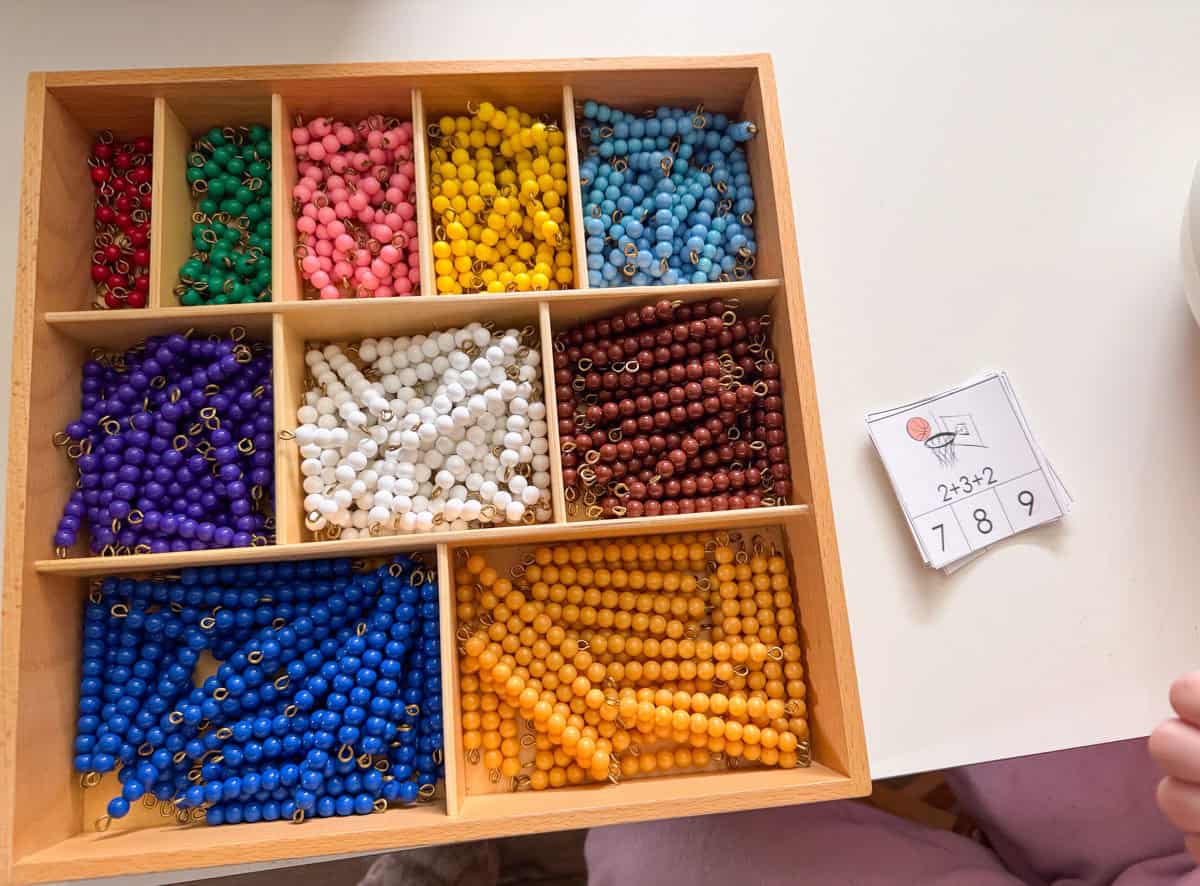
Makes sense, right, since multiplication is just repeated addition. Kids prefer hands-on learning, and they love experimenting with patterns.
By playing with beads of the same color, they're skip-counting without being bored to tears with memorization tasks.
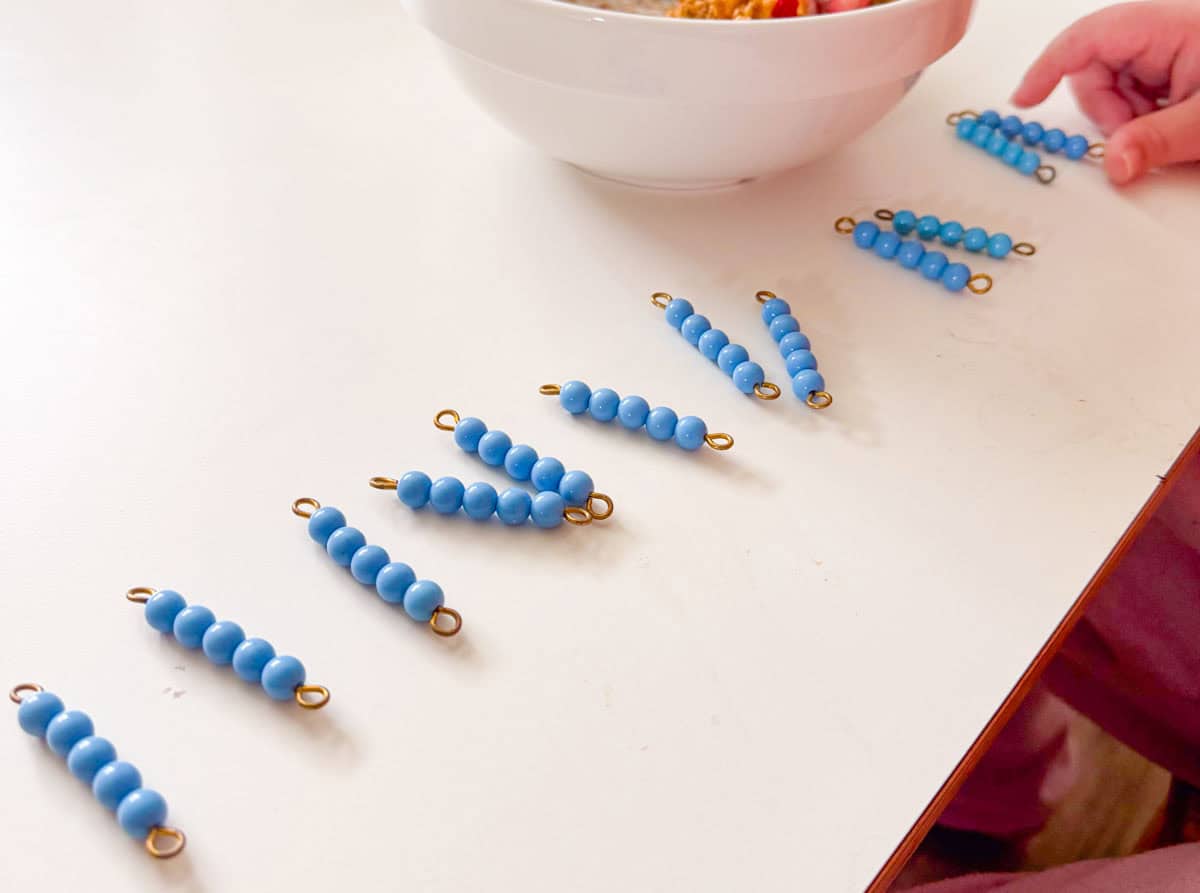
Chain the beads together and label them. Now they're learning through variety and dipping into squares.
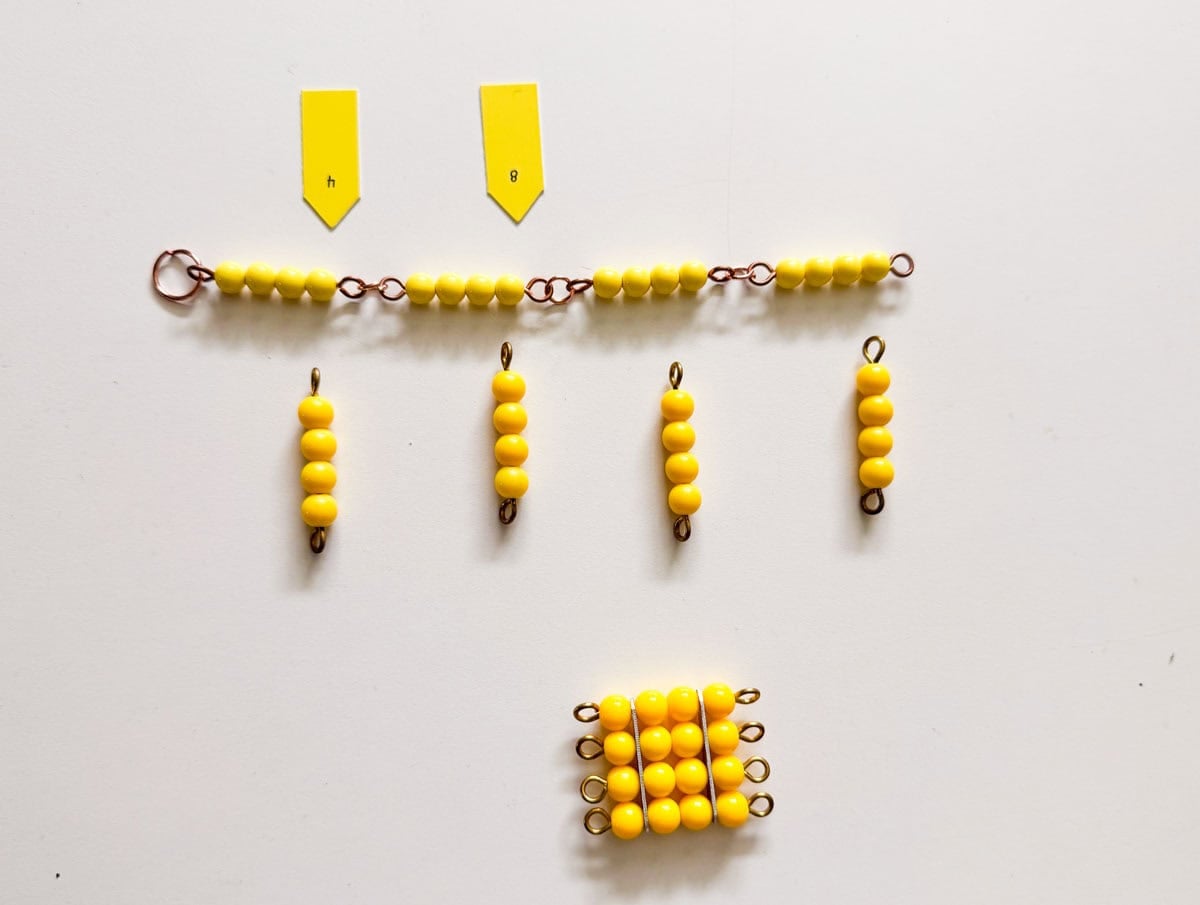
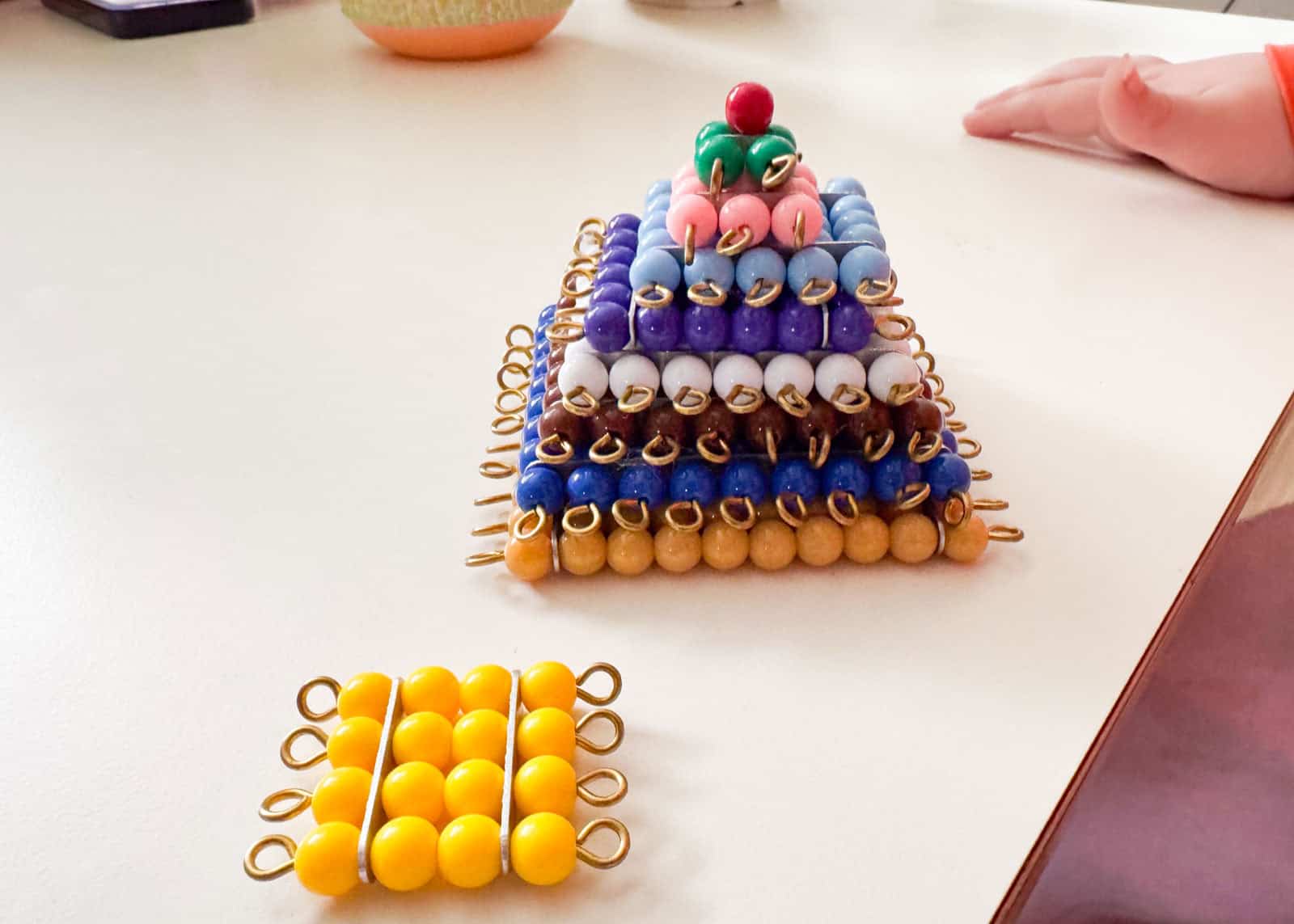
Before you know it, your small child is squaring and cubing numbers, and you're like 'WTF happened to my baby?' That's Montessori.
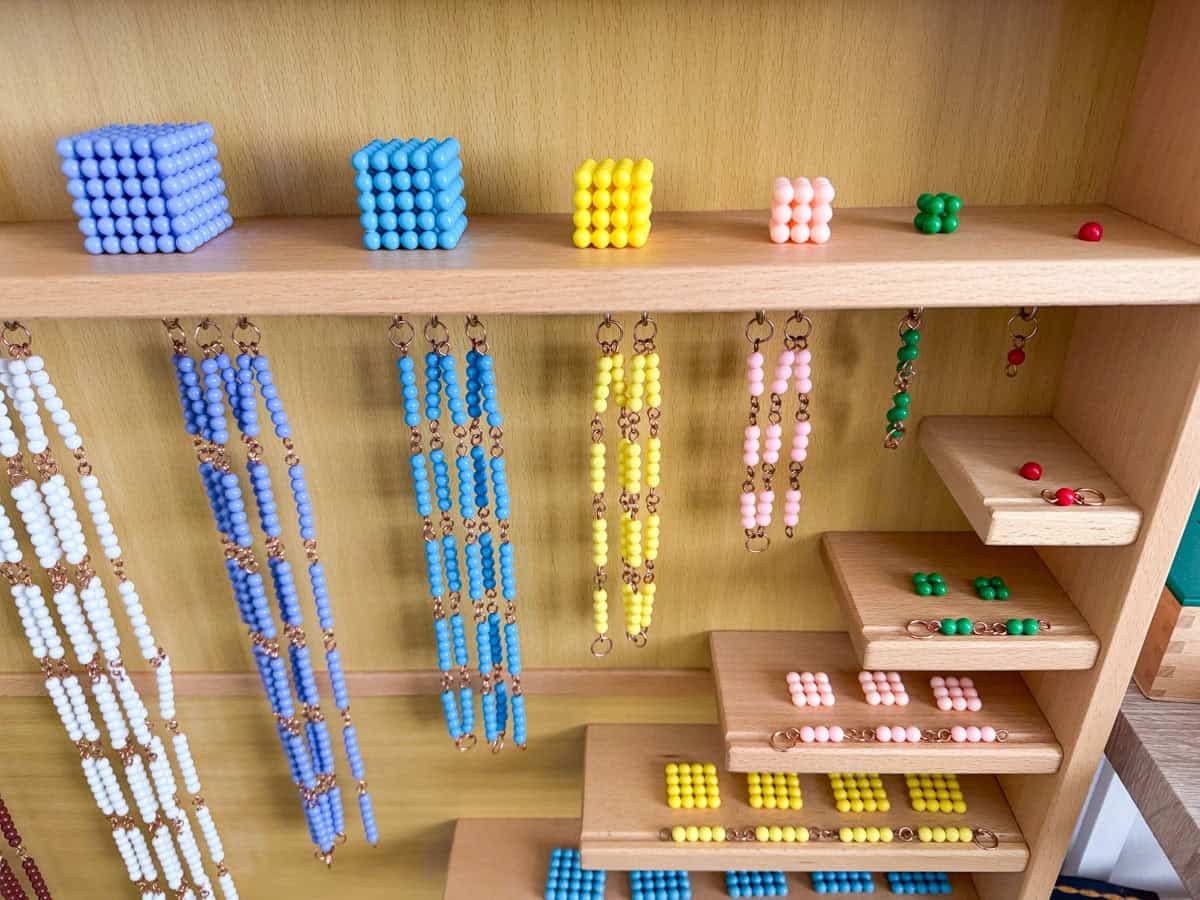
If you're interested enough, you'll wind up with a bead cabinet filled with chains, squares, and cubes.
Decimal Addition
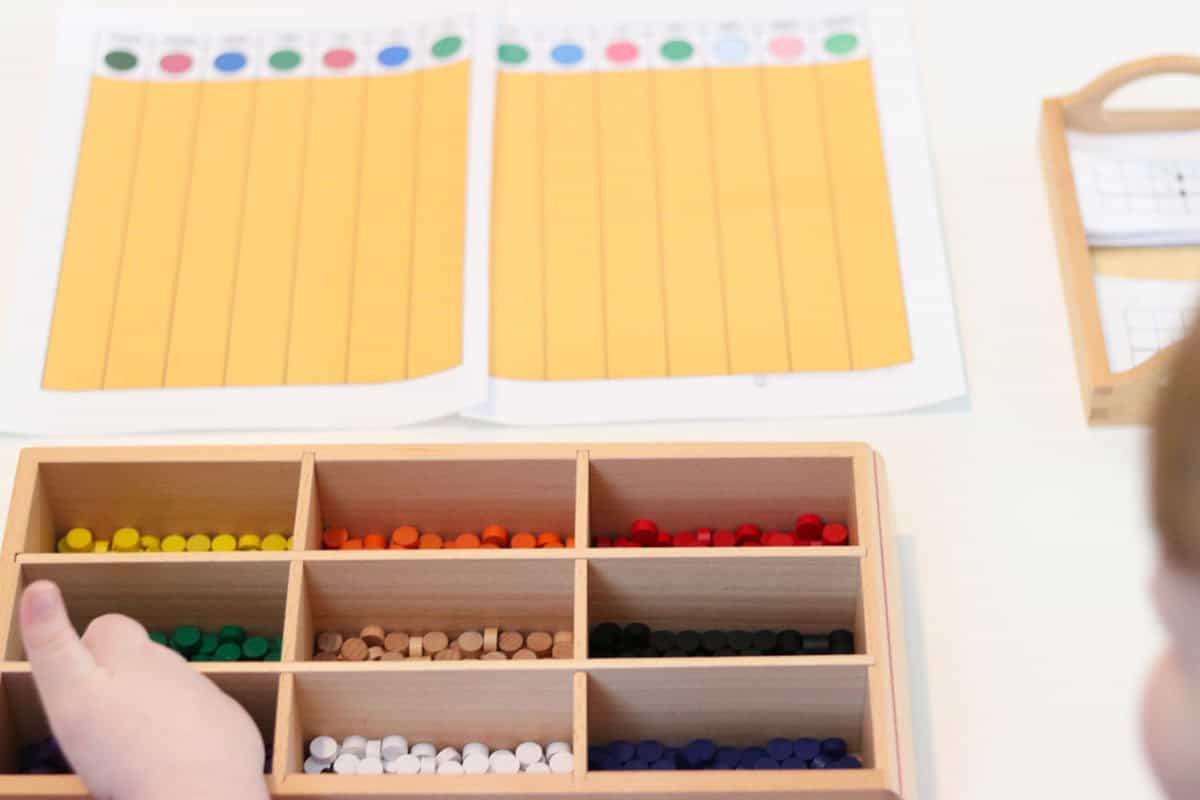
Have some decimals to add up? Don't forget to carry that 1! In Montessori, we use the decimal board to introduce static (no regrouping) and dynamic decimal addition (regrouping). This isn't Kaia & Noah's 1st time around the block with decimal addition, so we started with Southwestern Advantage's Math I book.
If you'd like to learn more about the Decimal Board for working with decimals, Montessori Tube Academy's Inclusive Club offers lessons, printables, and tutorials for the presentations.
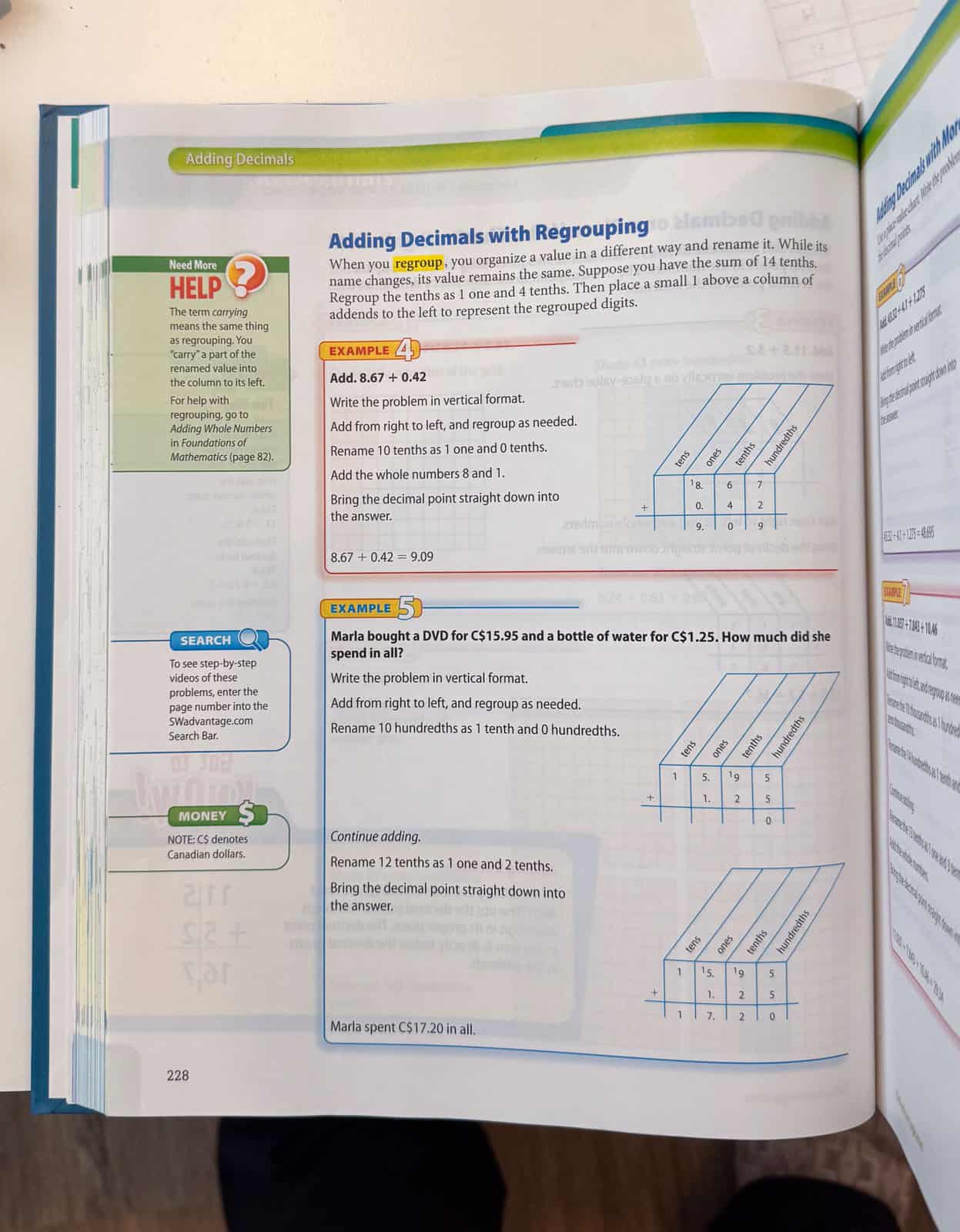
Southwestern Advantage's Math I provides an easy-to-follow format for working through math problems. It starts with 100-squares and becomes more abstract, using example problems with step-by-step explanations. It's a user-friendly guide to support you and your kids.
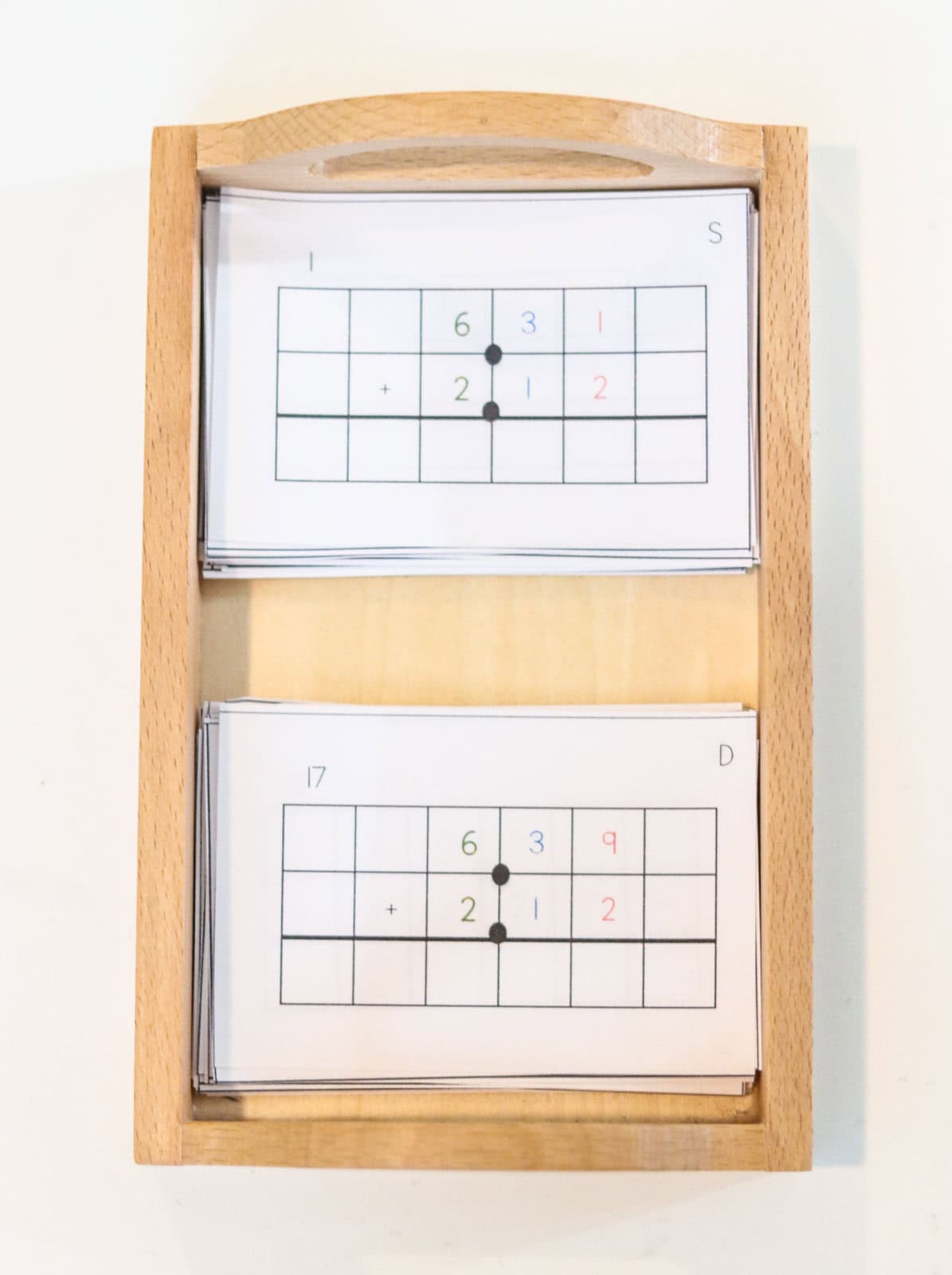
For practicing static and dynamic addition, we like using these decimal addition printables from Montessorikiwi. There's plenty of practice with both static and dynamic, AND kids can check their own answers when they're done.
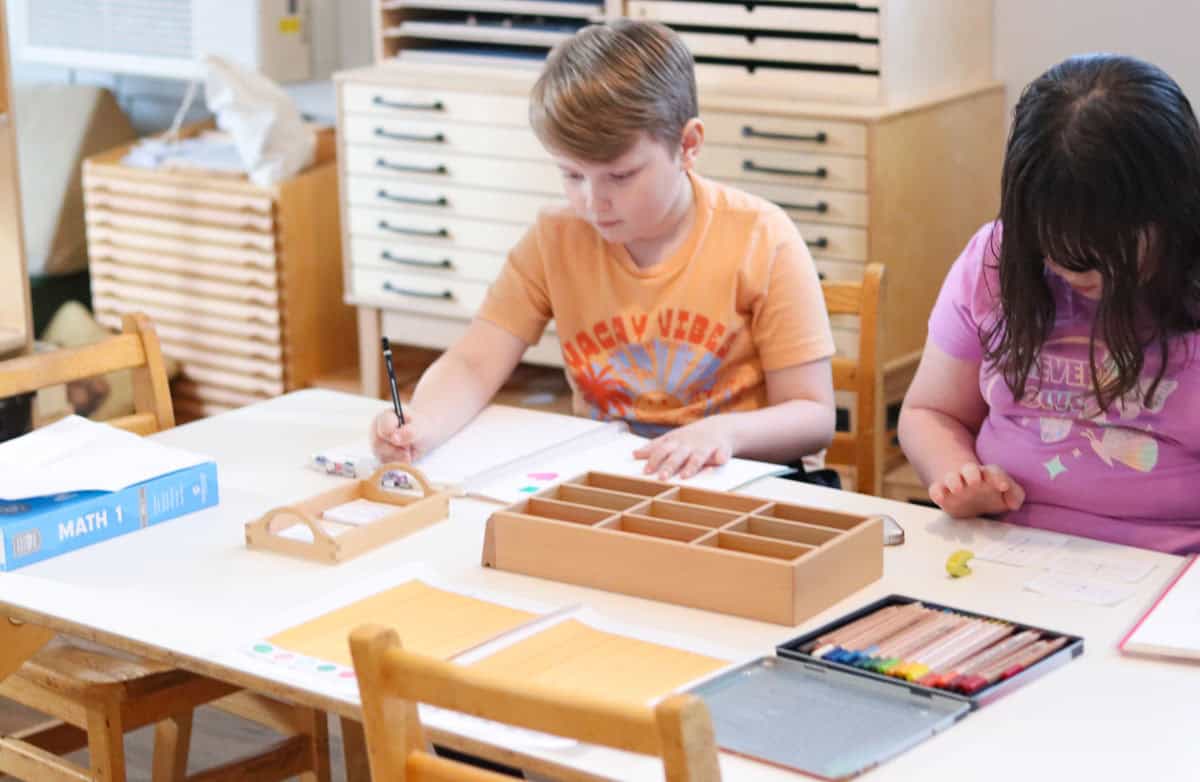
Not sure where they went wrong? Head back to the decimal board and book for review.
Decimal Multiplication
Working with a decimal point and learning how to check your work using addition have been the focus. We all opted out of the decimal board for this one, but it's a valuable resource.
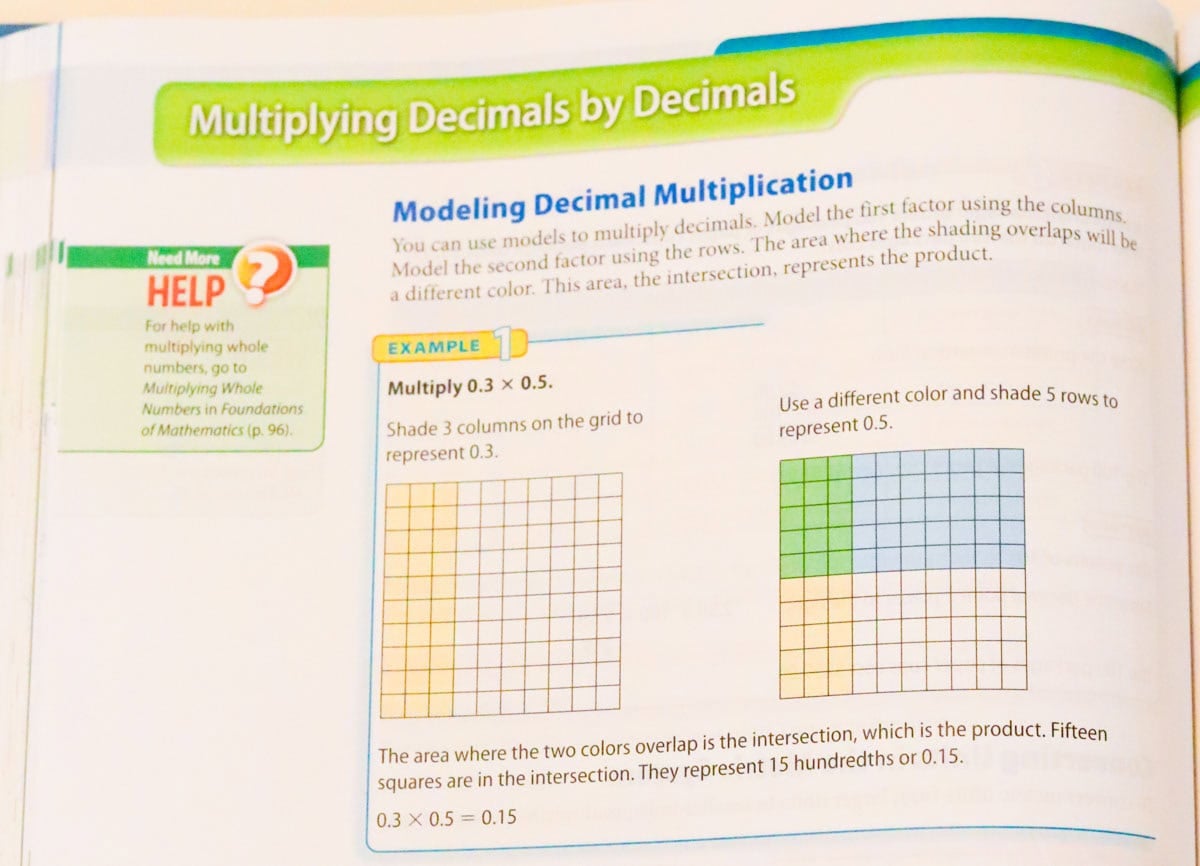
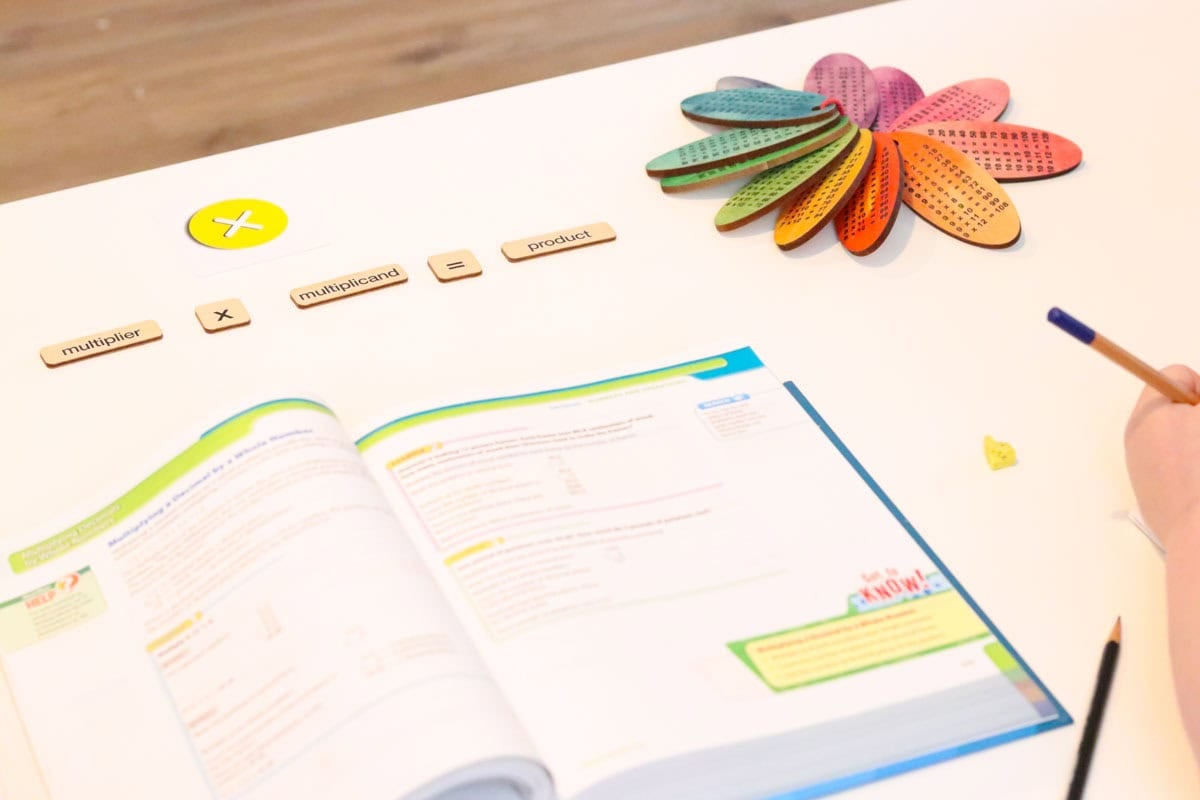
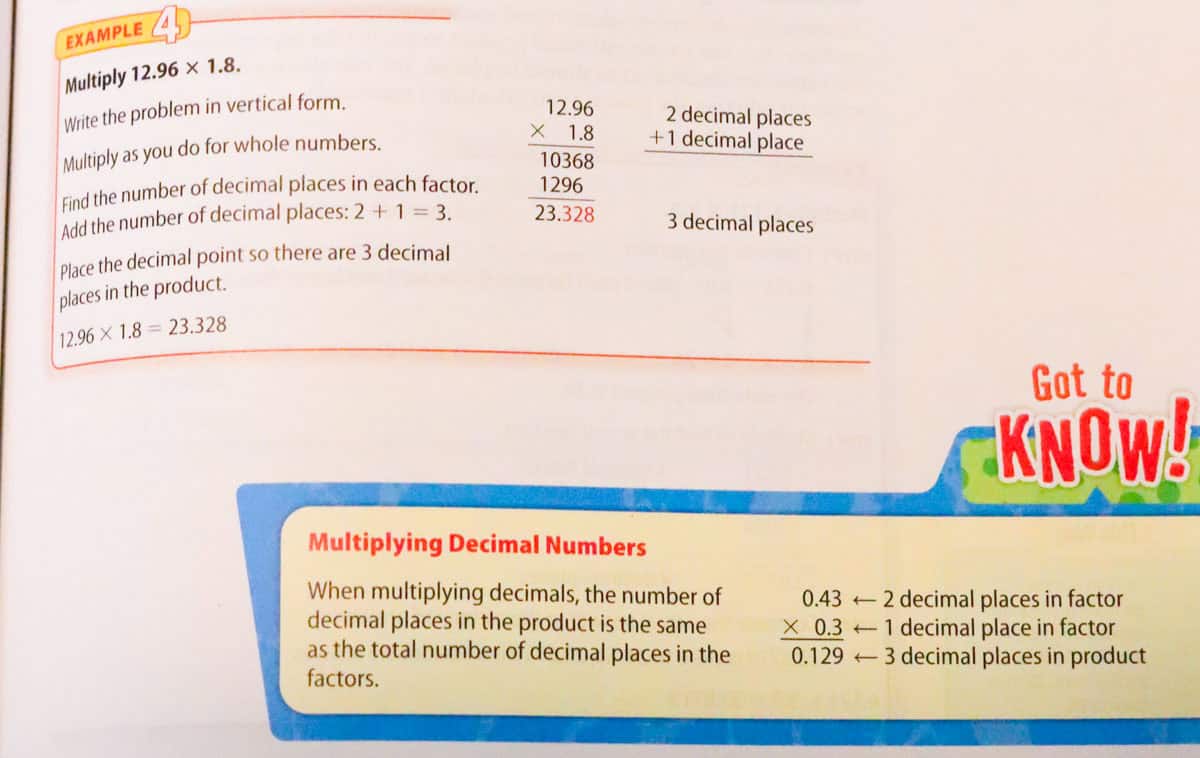
We're using Southwestern Advantage's step-by-step problem-solving Math I book. I like that it includes models. Kids get a visual representation of decimal multiplication before working step-by-step through several problems.
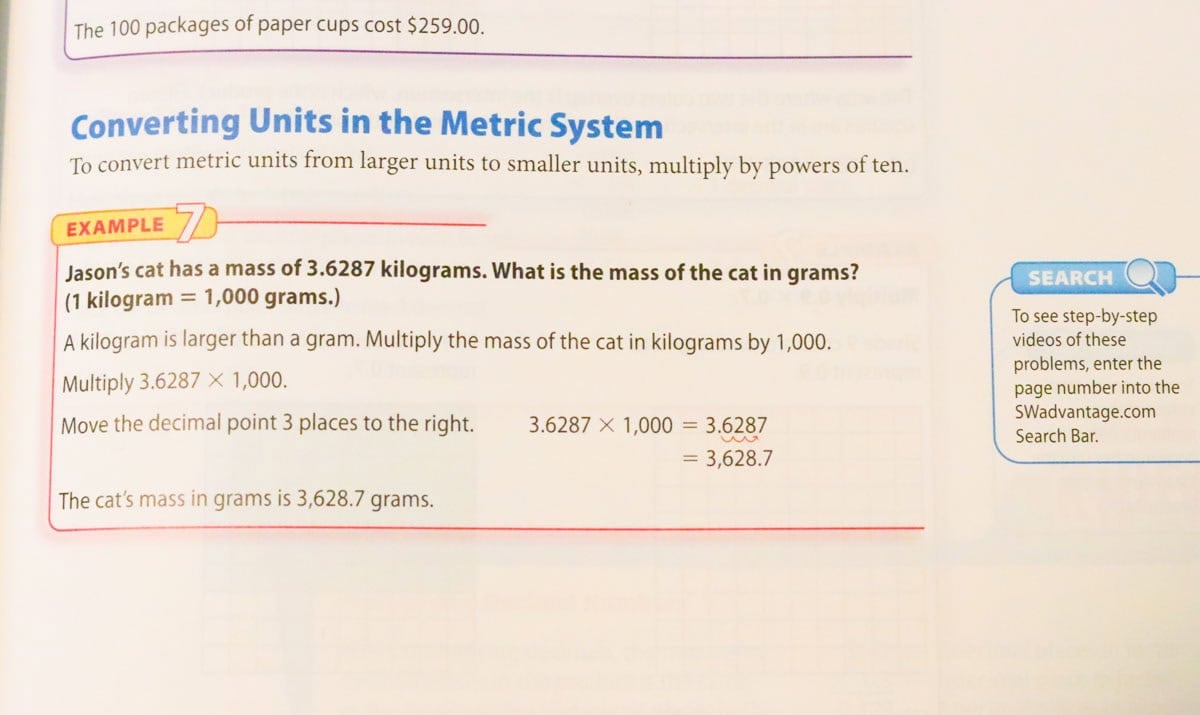
Extend the learning with problem-solving that includes the metric system.
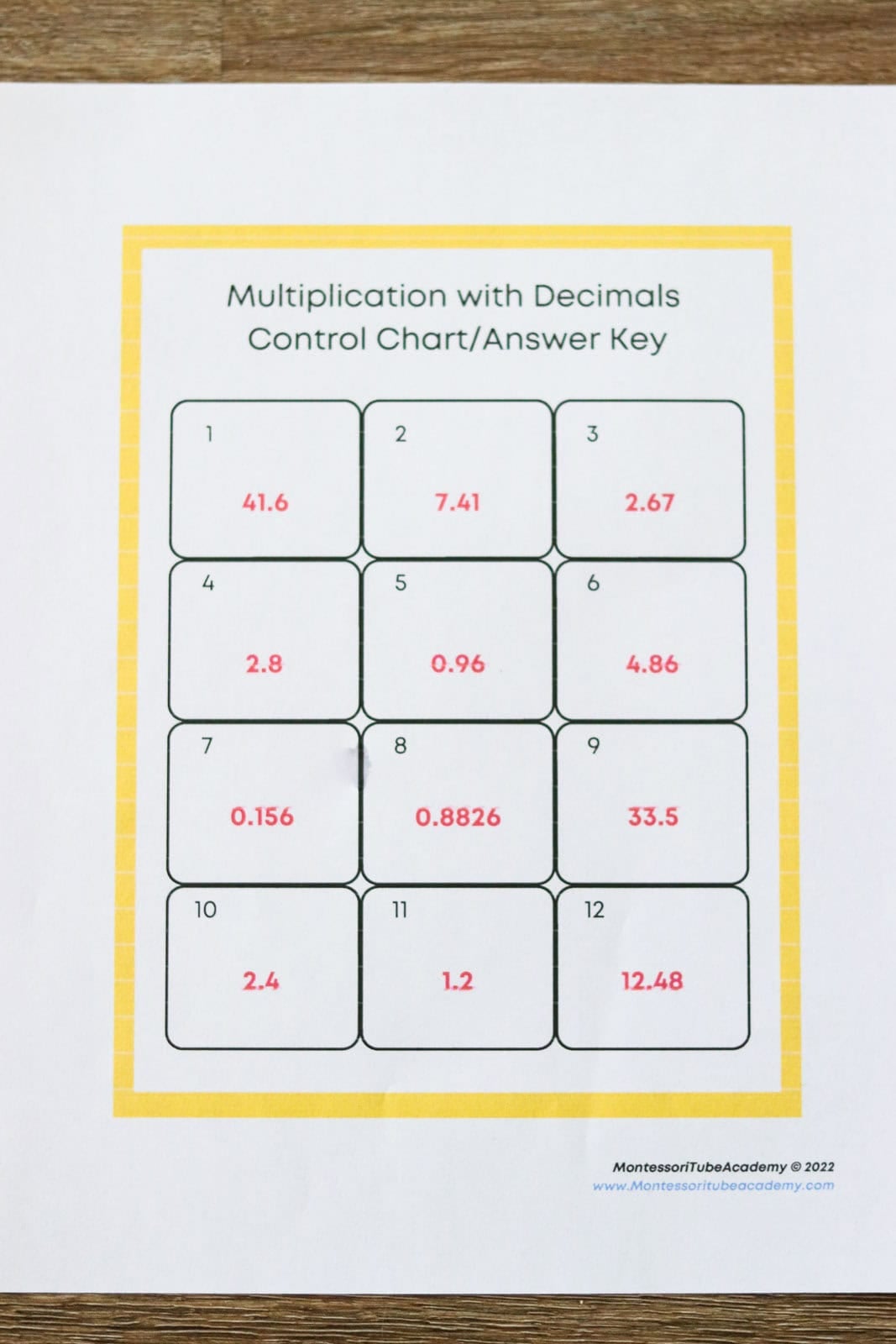
Follow-up by practicing decimal multiplication with Montessori Tube Academy.
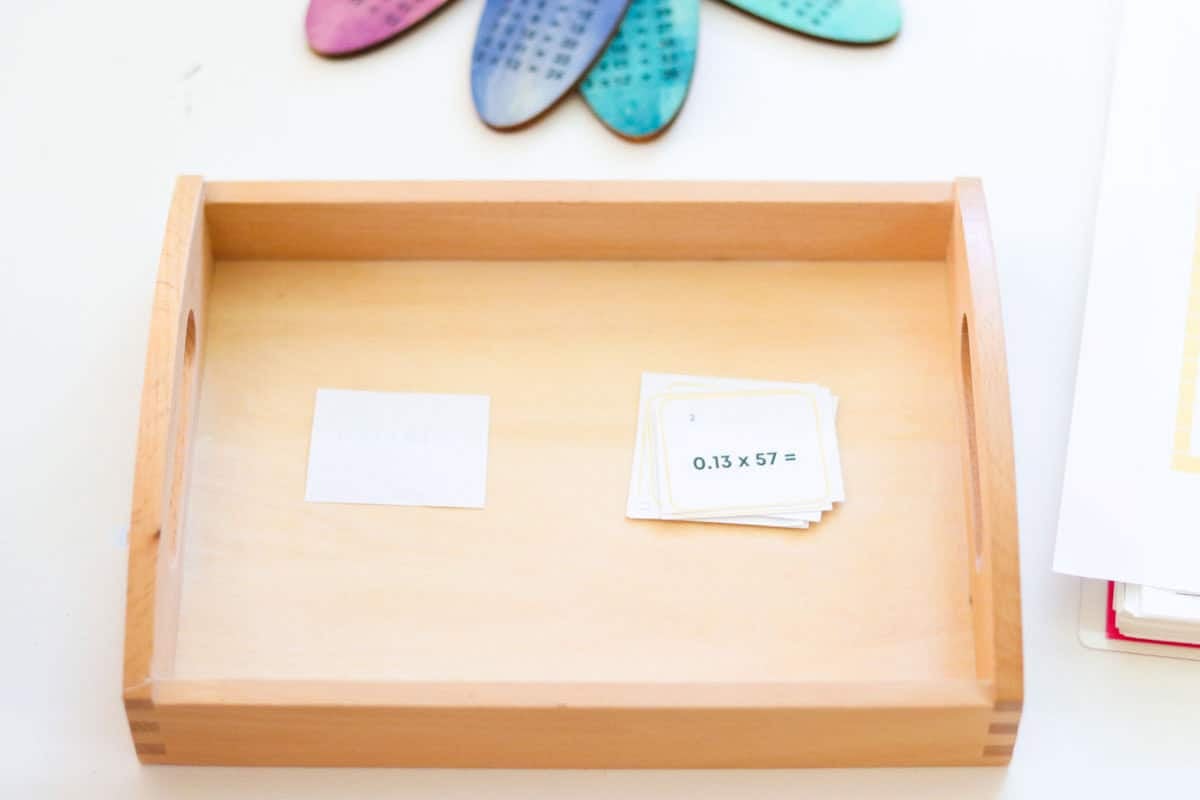
A control chart is included so kids can check their answers and retrace their steps as needed.
Intro to Pre-Algebra: Properties of Multiplication
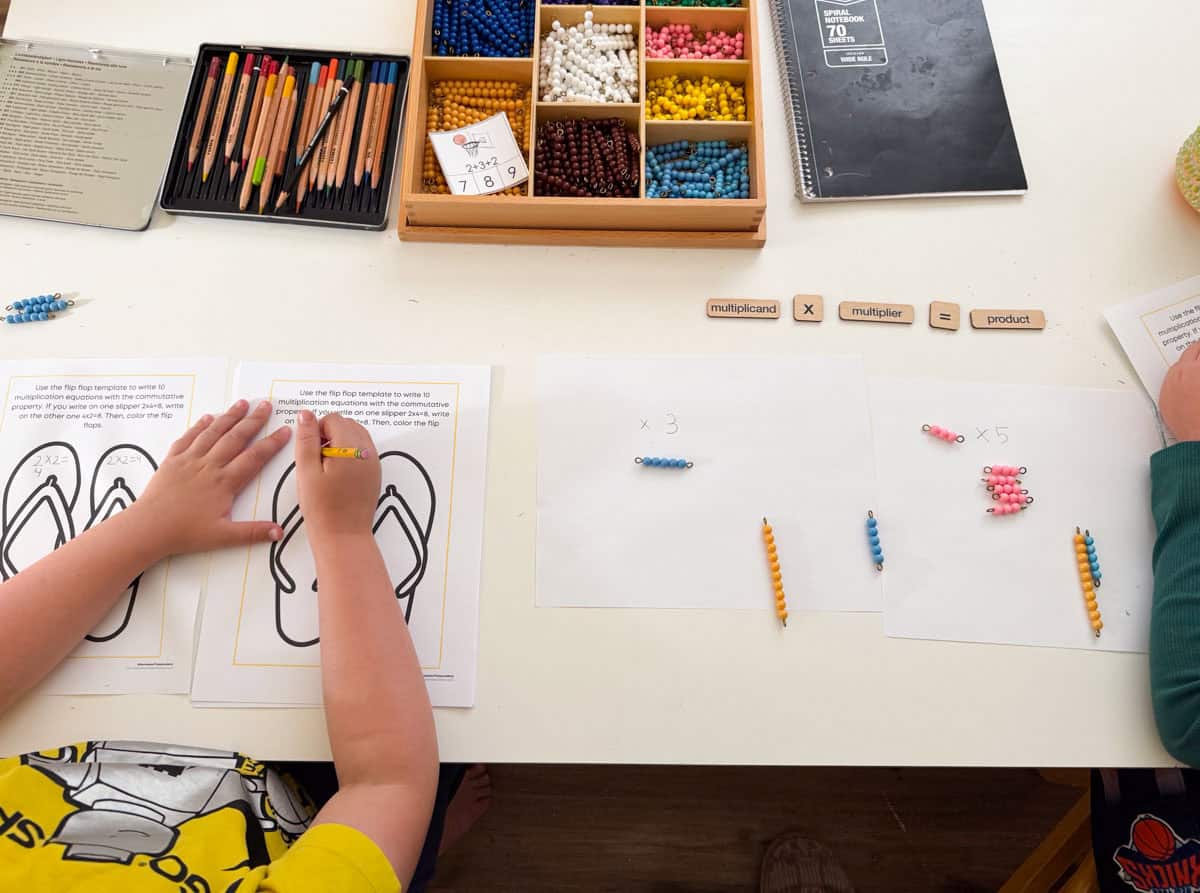
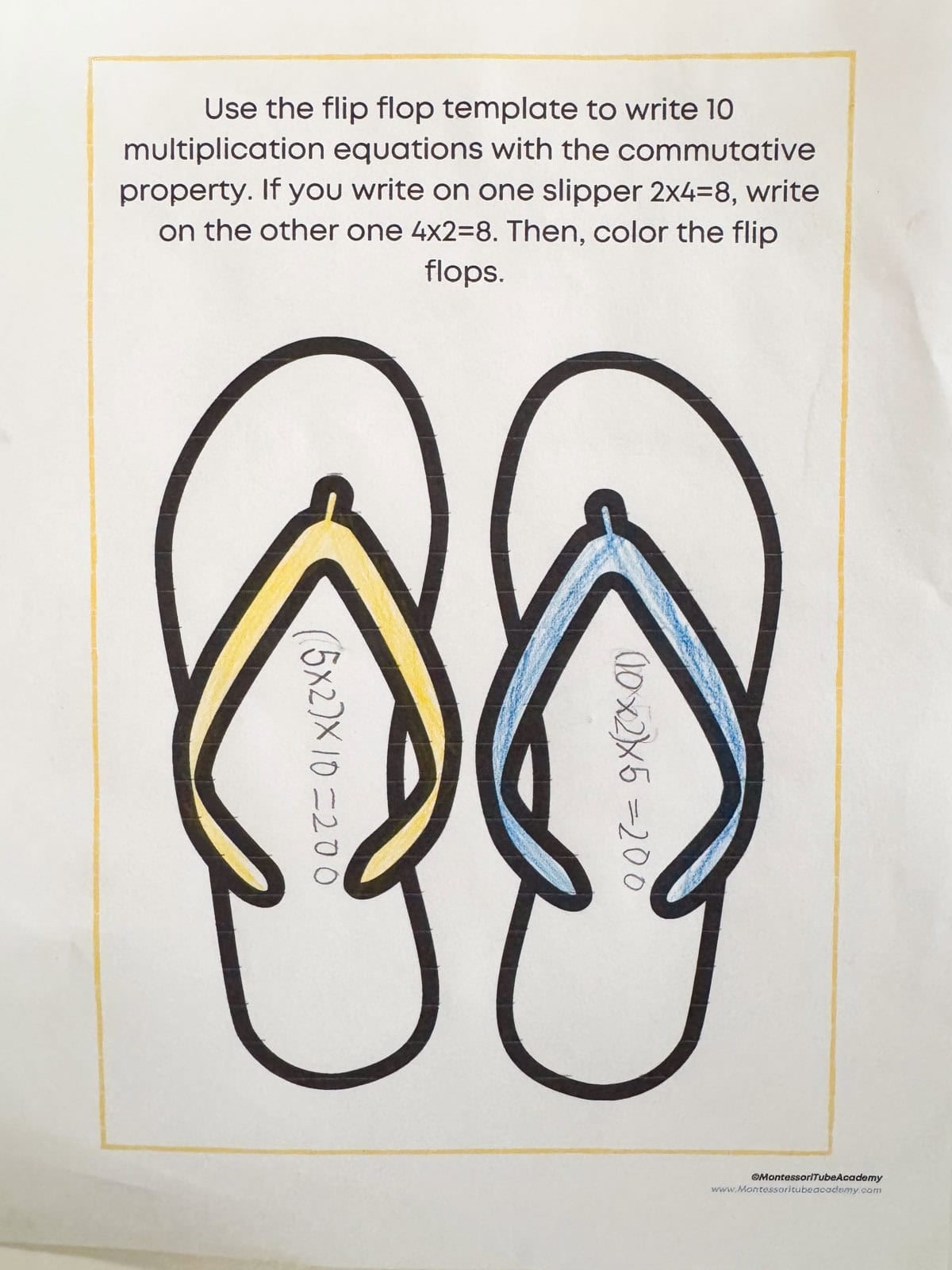
Tap into pre-algebra with some multiplication laws. The commutative law of multiplication states that changing the order of the factors does not change the product.
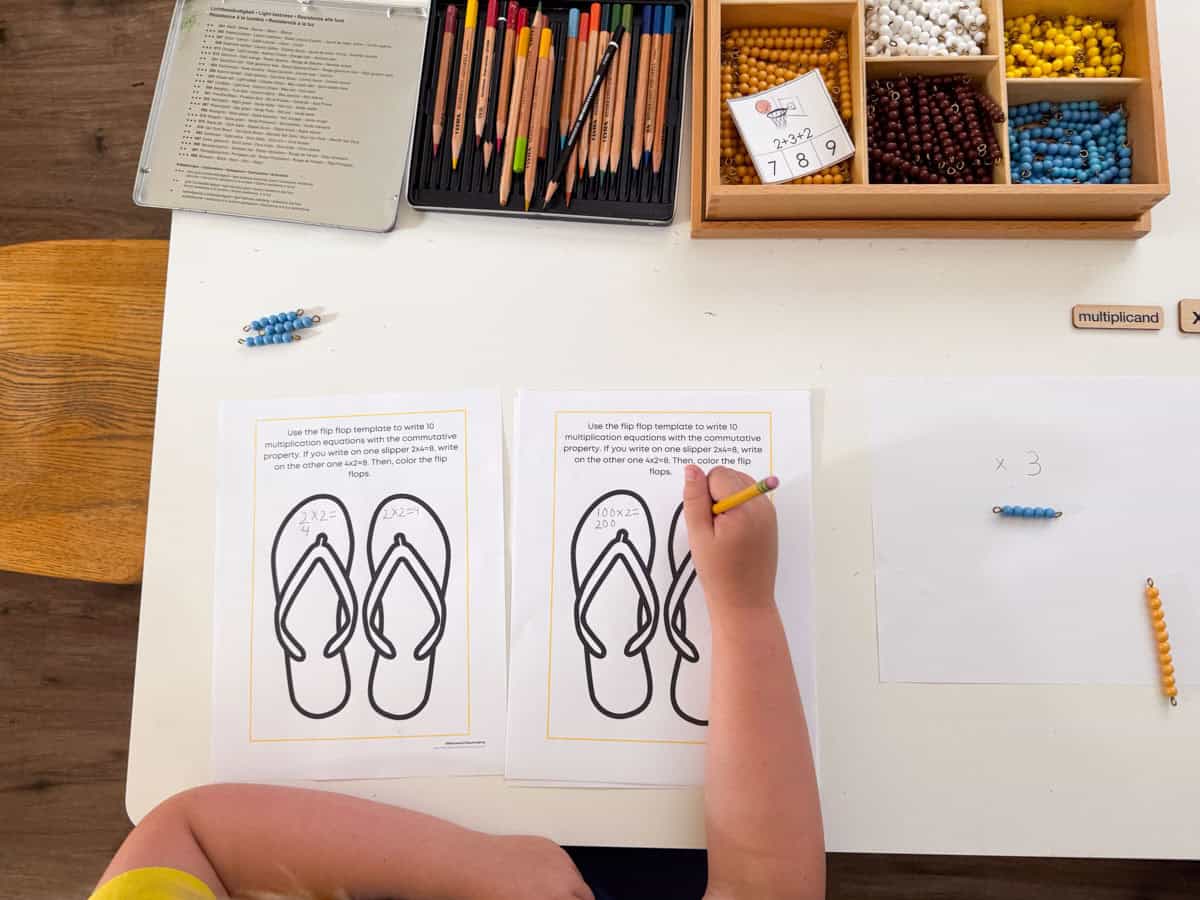
Noah quickly started laughing while working on his commutative property activities, which include changing the order of the factors on each complementary pair of flip-flops.
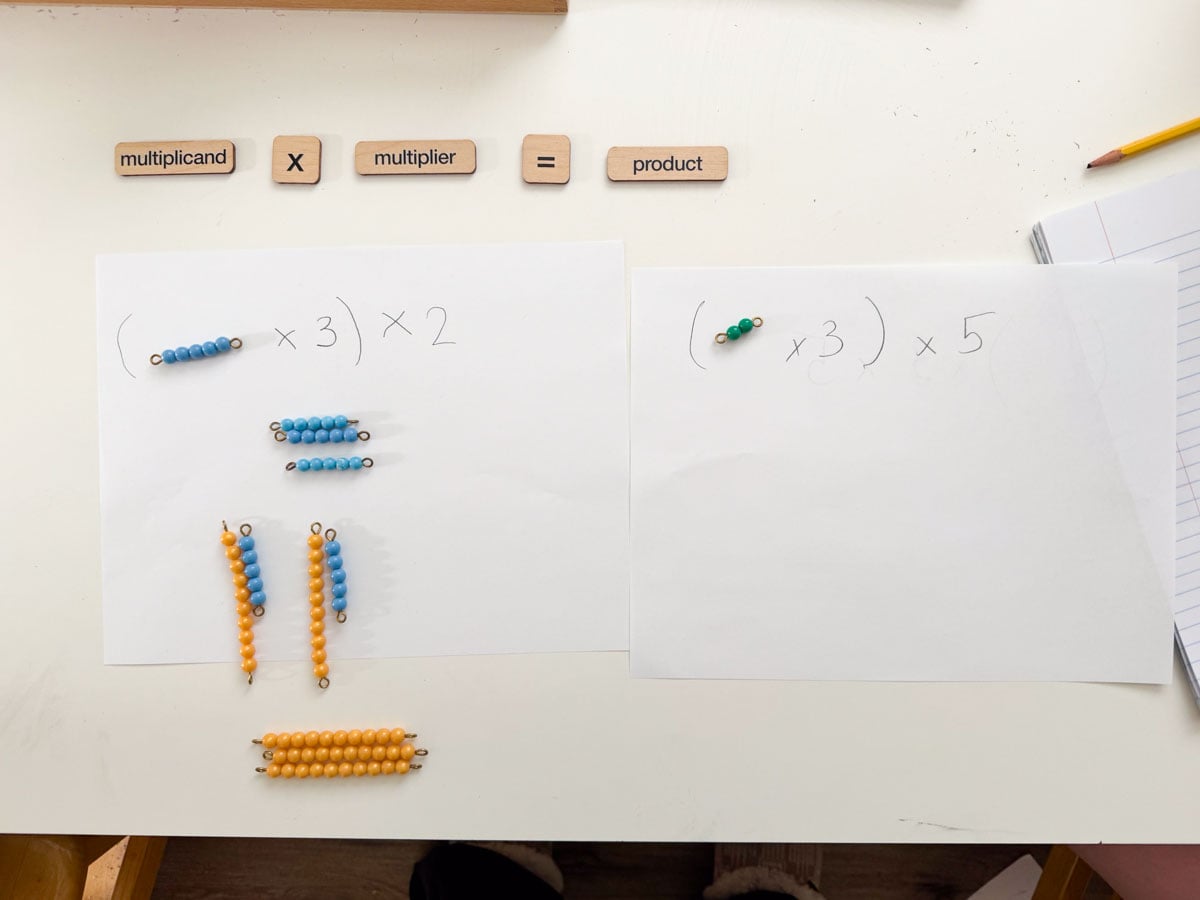
The associative law of multiplication states that the product of 3 or more factors remains the same, regardless of how the numbers are grouped.
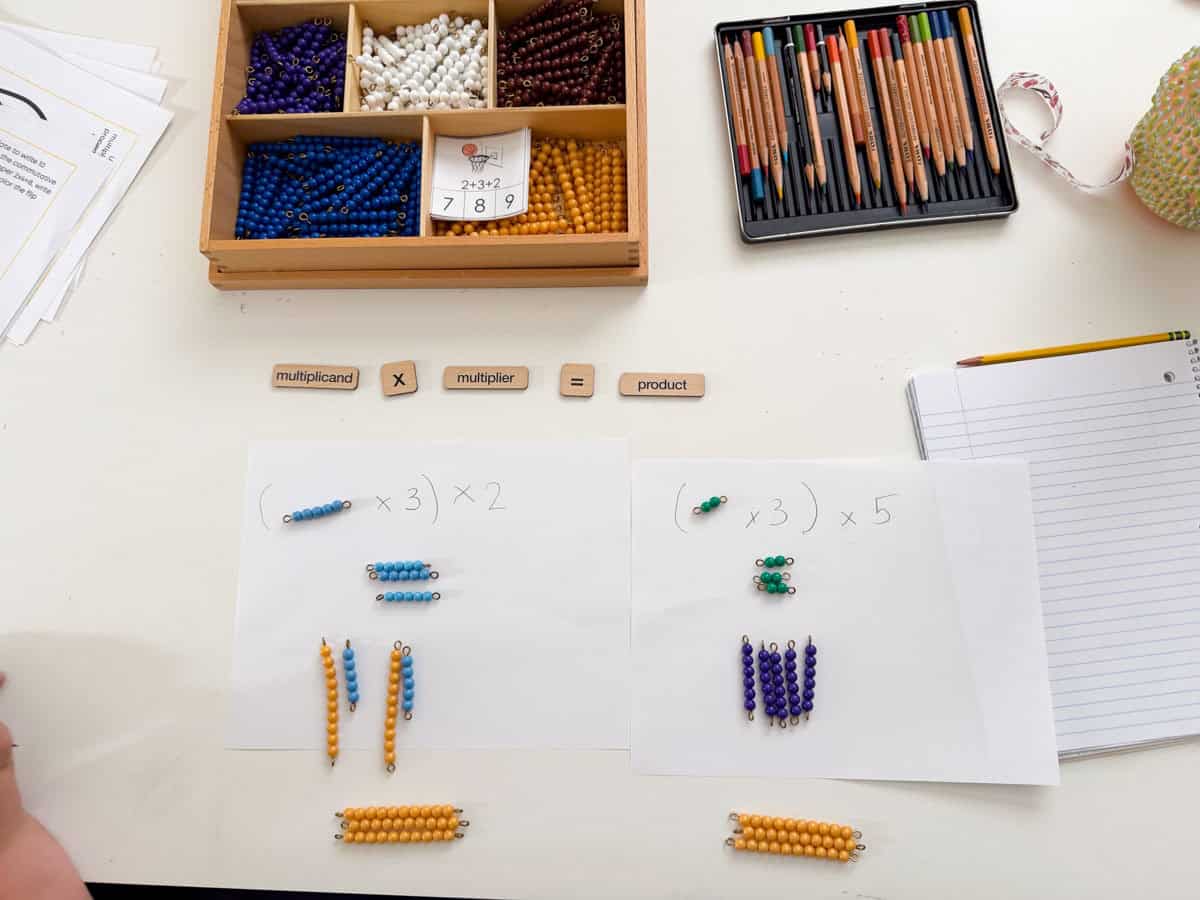
Here it is illustrated using Montessori colored bead bars from the decanomial box. This is especially helpful to understand when you start solving for an unknown. Color and label your complementary flip-flops with Montessori Tube Academy as a follow-up activity.
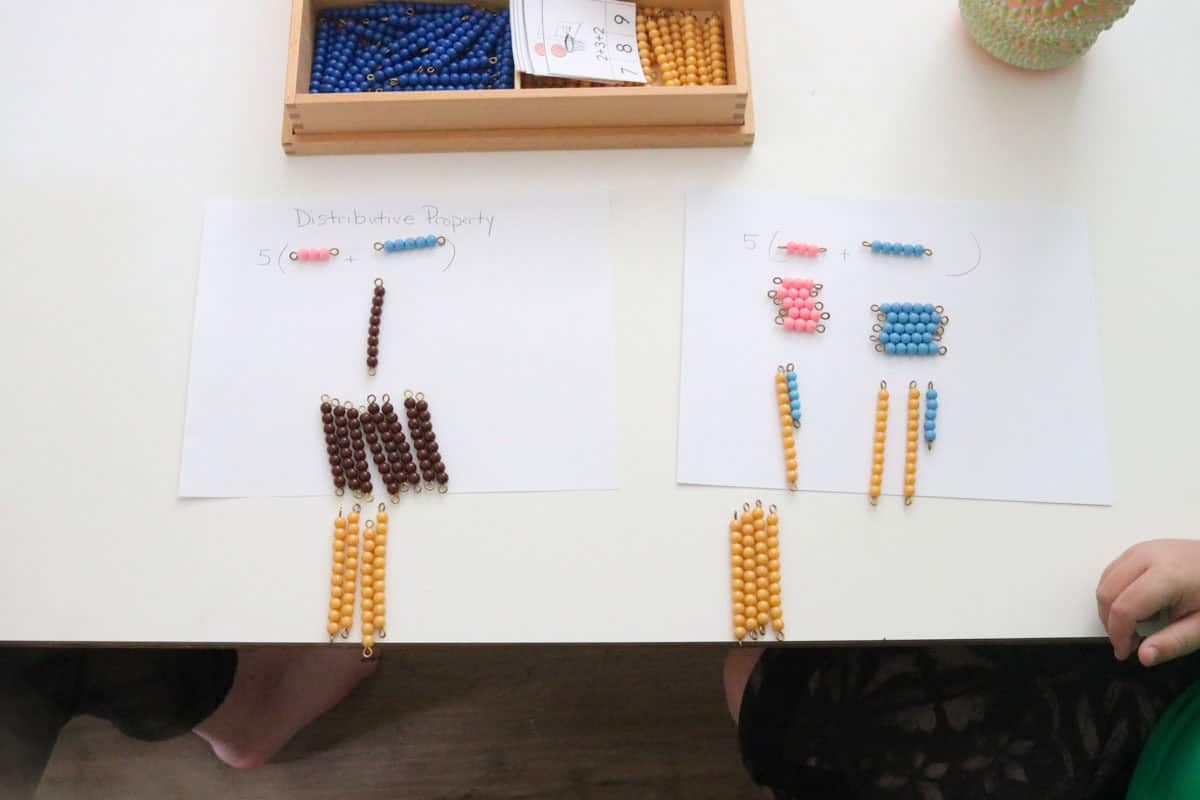
The Distributive Law of Multiplication states that multiplying a number by a group of numbers added together is the same as doing each multiplication separately. Distributive comes from the Latin distributivus, meaning divided up.
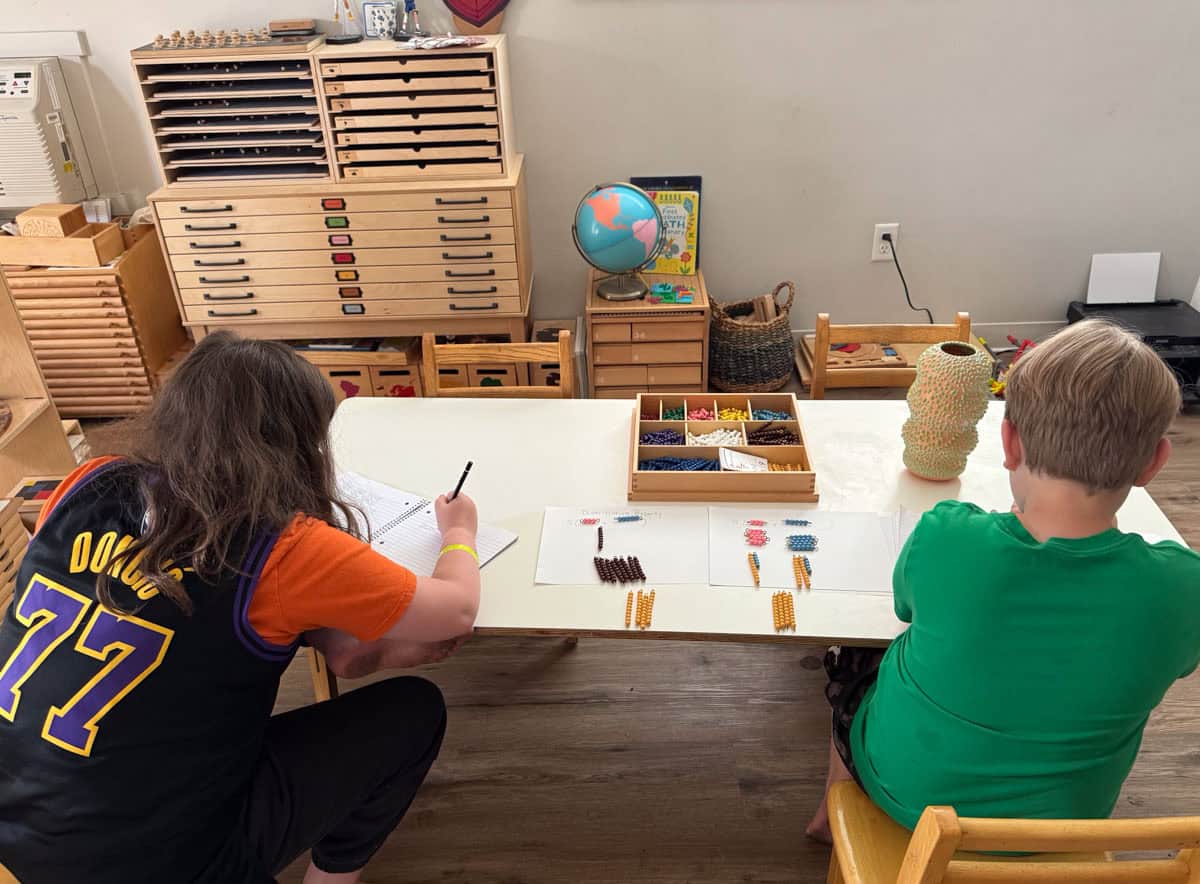
Kaia and Noah practiced it with colored bead bars from the decanomial bead box before taking it to paper, first using the distributive property and then checking their work.
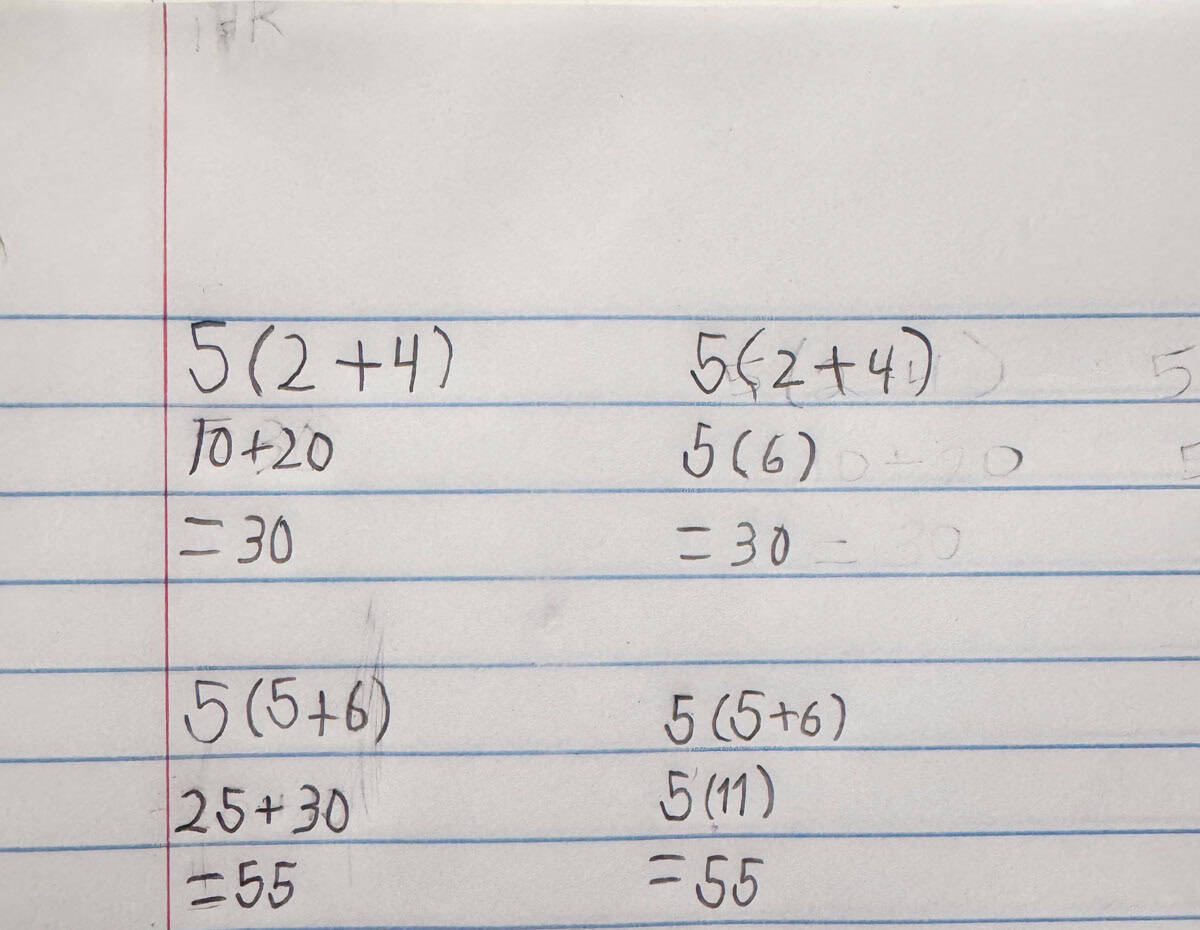
My kids always want to skip straight to the answer, but having them write every step is part of the process of encoding new info. You know, the whole hand is connected to the brain thing.
We're following along with Montessori Tube Academy's Inclusive Club for these lessons.
Upper Elementary Math Lessons

Upper elementary math lessons related to geometry, multiplication, skip counting, decimal operations, and pre-algebra.
Materials
- Spielgaben
- Geometry Nomenclature Booklets
- Spielgaben Workbook
- Montessori Colored Bead Chains
- Montessori Tube Academy Regular vs Irregular Polygons
- Montessori Circle Insets
- Southwestern Advantage Math I
- Decanomial Bead Box
- Montessori Colored Bead Squares
- Montessori Bead Cabinet
- Montessori Decimal Board
- Decimal Addition Task Cards
- Montessori Tube Academy Decimal Multiplication
- Montessori Tube Academy Laws of Multiplication Flip Flops
Instructions
- Choose lessons and materials based on your needs.
- Many of the hands-on materials can be found in printable form via suppliers.
Notes
More info including pictures at: https://happyhomeschooladventures.com/elementary-math

Leave a Reply