


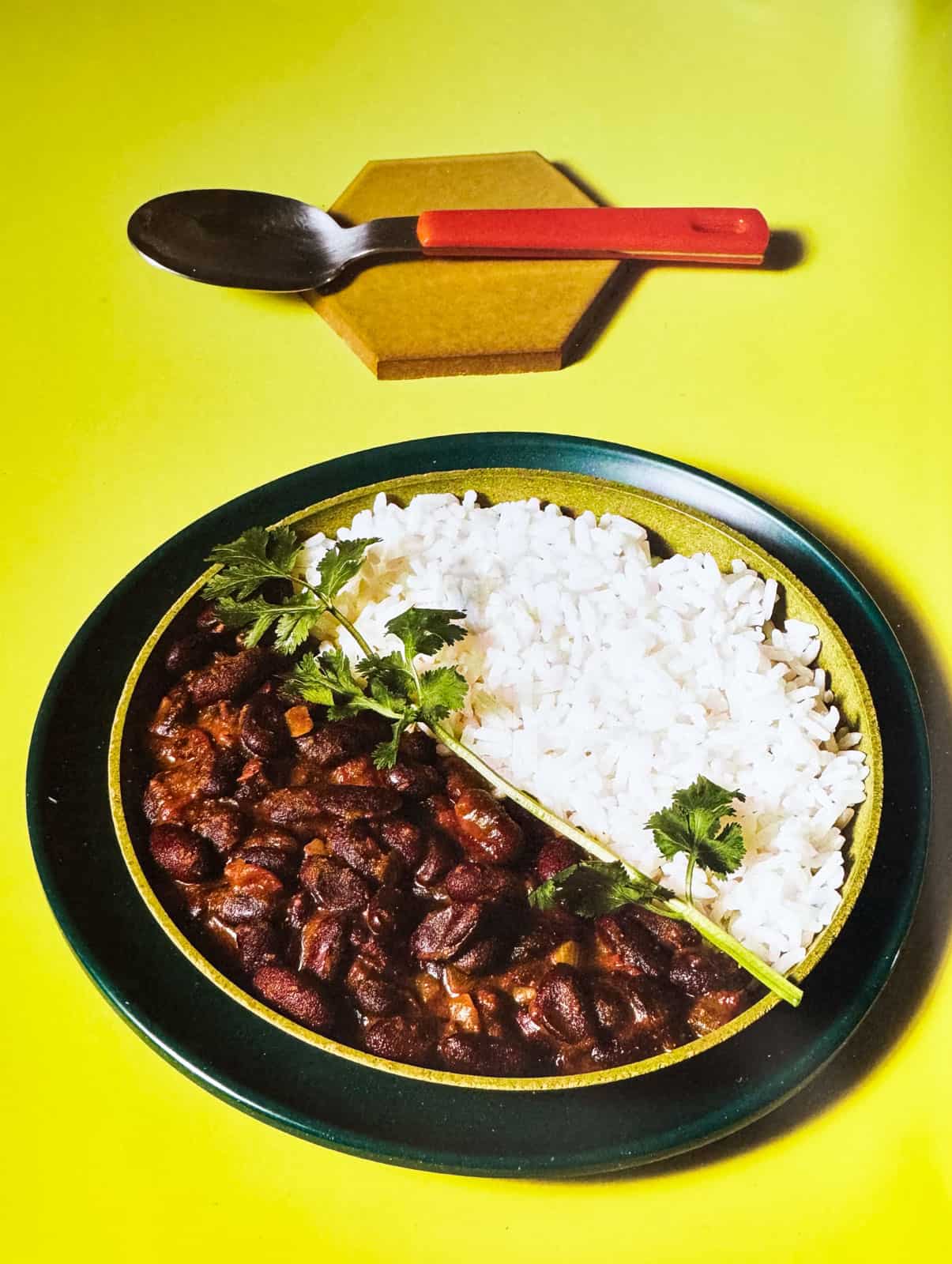
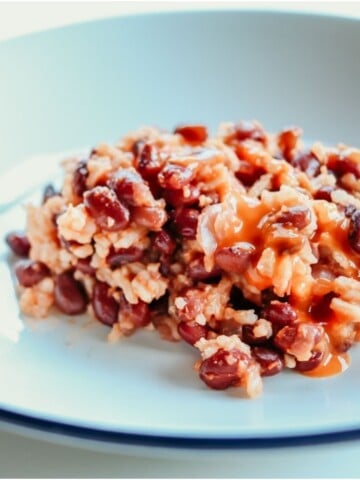
"A staple of Punjabi cooking, a pot of rajma transforms kidney beans into the most luxurious ingredient. While a lot of restaurants rely on heavy cream to achieve that effect, it's completely unnecessary. The real trick is patience. You must let the beans simmer properly until they become velvety and tender, and there is no way to rush that process."
- Khushbu Shah
Welcome to our kitchen, where messes are welcome and everyone loves to eat! Once you've made rajma, the logical next step is rajma nachos or, in my opinion, homemade rajma fries. Because once you're on a roll, you just can't stop finding ways to enjoy this stewy bean dish that feels perfect.
"Amrikan (UM-ree-kan): a noun or adjective that Indians use to describe all things American. It's America, with a desi accent." - K.S.
Learn more about how to cook with kids and the best recipes for beans.
Jump to:
Disclosure of Material Connection: Some of the links in the post are "affiliate links." This means if you click on the link and purchase the item, I will receive an affiliate commission. Amazon links are not affiliate links. You can read my full affiliate disclosure.
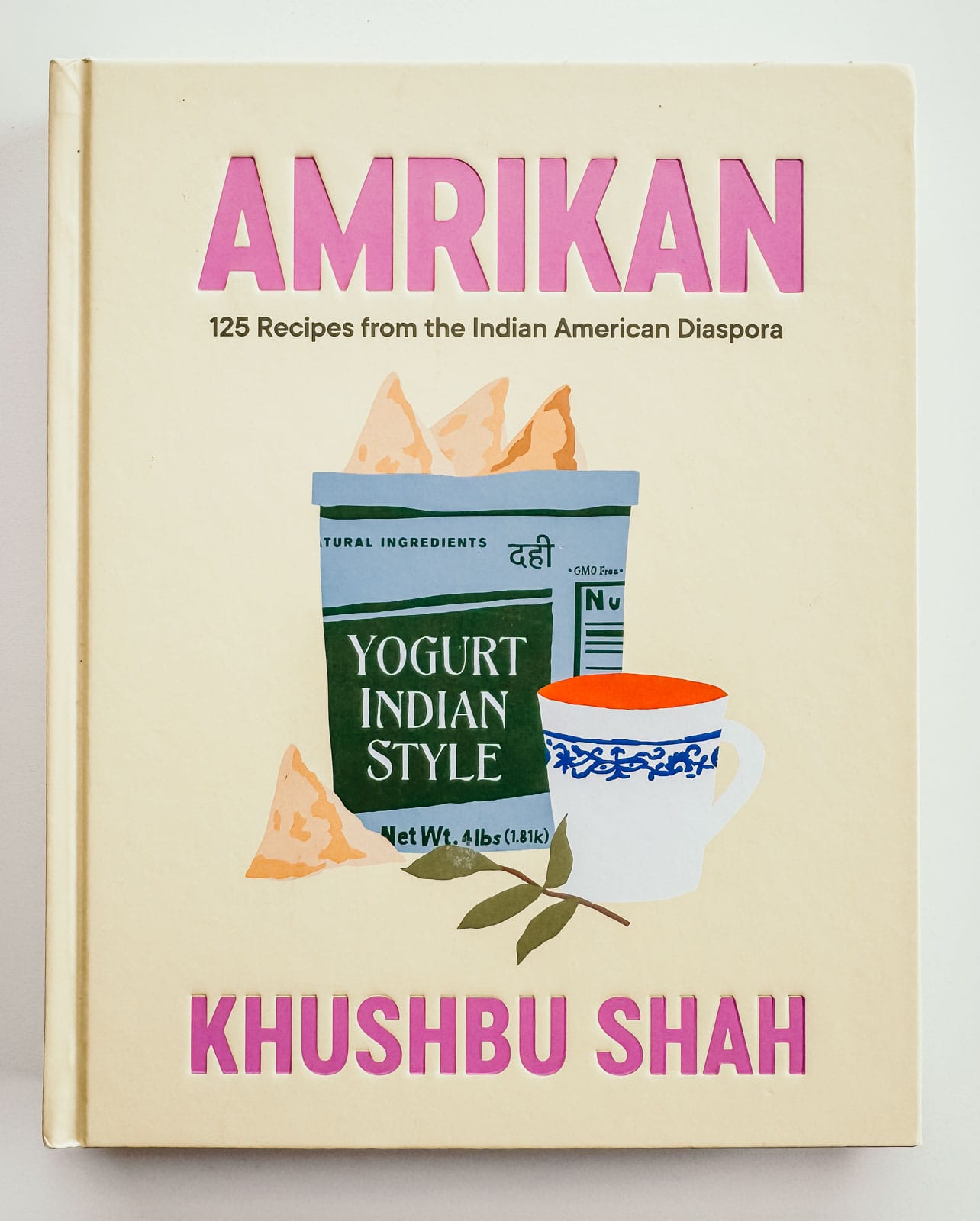
Amrikan
This rajma recipe comes from Amrikan: 125 Recipes from the Indian American Diaspora by Khushbu Shah.
The first large wave of Indian immigrants arrived between the mid-1960s and the late 1970s, and the majority either had professional degrees or came to the United States to puruse them. Yes, a signficant number were STEM professionals - hence the cliché that all Indians are doctors or engineers. These mostly white-collar workers were not interested in restuarant work as a career path, so only a few Indians opened food businesses.
The second wave of Indian immigrants, from the early 1980s through the mid-1990s, arrived through chain migration as family members of the first wave. Though many of these immigrants were also white-collar workers, there was a diversity of backgrounds and professions, and mom-and-pop-owned Indian restaurants started to dot the American landscape in major cities. These first two waves of immigrants were heavily from the Indian states of Punjab and Gujarat, so the foundation of Indian food in America is based largely on these regional cuisines,..

related recipe!
Mexican Pizza
If you like Taco Bell, you will love Khushbu's Mexican pizza. Make it from scratch or cut a few corners.

related recipe!
Tandoori Chicken Wings
When you're bored with the typical game day.
Check out this spicy cilantro chutney to go with your wings. Want more Khushbu? We've got rajma nachos and a must-have Indian flatbread.
Top Tip
Khushbu says that dried beans make for a creamier rajma, but you can still use canned and get amazing results!

How to Make Rajma

Ingredients
- beans - we like these Domingo Rojo beans with this rajma recipe, but you can use what you have on hand
- water - you'll need about 4 cups of water in a pressure cooker for a cup of dried beans plus 1 cup of water for the last step of the recipe. It's 2 ½ cups of water to cook dried beans in a slow cooker.
- oil - any neutral oil will work
- onion - this rajma recipe calls for white onion
- tomatoes - Roma tomatoes are preferred but you can use what you've got
- Garam Masala - Diaspora Co's Garam Masala can be made from scratch using Cumin, Fennel, Coriander, Black Pepper, Cinnamon, Mace, Nutmeg, Black Cardamom, Tejpatta, Cardamom, Ginger, and Cloves but they save you the trouble with this incredible blend
- coriander - Nandini Coriander smells amazing and is our go-to for coriander. Grind it up in a molcajete and you'll know what we're talking about
- cumin - Jodhana Cumin "is smoky, with the aroma of fresh rain (I'm not kidding!). It pairs perfectly with our coriander, balancing out its bright floral notes with the cumin's heady base notes."
- turmeric - Pragati Turmeric has a bold, beautiful color and flavor to match
- chili powder - Kashmiri chili powder is my favorite chili powder. In a blind taste test, I could pick it out no problem
- cardamom - Baraka Cardamom smells like licorice, mint, and pine
- cinnamon - once the rajma comes to a boil, the taste and smell of Canela Cinnamon is enticing
- bay leaf - these bay laurel leaves are big and beautiful, a dangerous combo
- salt - Surya Salt is a solar-powered, earth-filtered, and hand-pounded salt.
Food Allergy or Substitution Needed?
Click the button below to ask AI how to alter it for your diet!

shop spices!
Diaspora Co.
Ethically-sourced spices that transform your cooking.
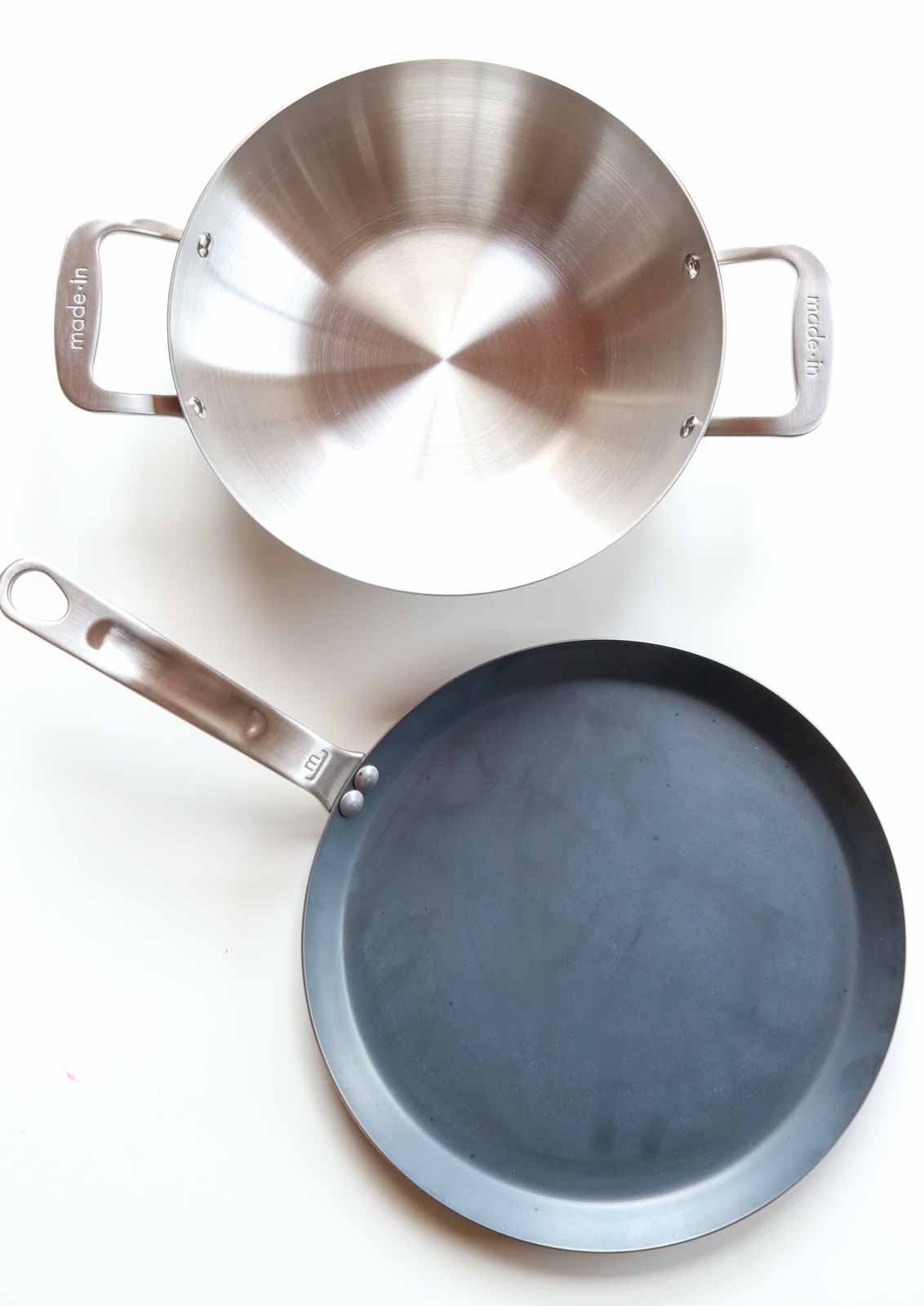
Equipment
- prep bowls
- kitchen scale
- measuring spoons
- measuring cup
- pressure cooker or slow cooker
- kadai or large pot
- molcajete (optional)
- spoon

Cook the Beans
Wash your hands with soap and water. Weigh out the beans needed for the rajma. Rinse them with water and add them to your pressure cooker along with water.
Secure the lid on the pressure cooker and set it to sealing. Follow your pressure cooker's instructions and cook for approximately 45 minutes on high. Let it sit for 20 minutes. Release the pressure and remove the lid.
You can also slow-cook the beans on high for 6 to 7 hours if you're in no rush.

Prep the Onion & Tomatoes
While the beans are in the pressure cooker, prep the onion and tomatoes. Use a child-friendly knife and cutting board to mince the onion and dice the tomatoes. Transfer them to clean bowls.

Cook the Onion in the Kadai
Add the oil to the kadai and heat over medium-high heat. Add the onion to the kadai and cook for 3 minutes or until the onion starts to take on color.

Add the Tomatoes
Dump the tomatoes into the kadai and turn the heat down to medium. Cook the mixture, stirring occasionally, for 10 minutes. It should look like the oil is starting to separate out and the tomatoes should appear a little jammy.

Add the Spices
Use a molcajete as needed to grind any spices. With a measuring spoon or spice spoon, add the garam masala, coriander, cumin, turmeric, and chili powder. Add the cardamom pods, cinnamon stick, and bay leaf to the kadai. Stir everything to combine the ingredients.
Transfer the Beans to the Kadai
Add the beans and 1 cup of water (or 3 if using canned) to the kadai. Season the rajma with salt. Bring it to a boil over high heat. Once boiling, turn the heat down so that the rajma simmers, covered, for at least 5 minutes if using dried beans and 15 minutes if using canned beans.
The beans should be very tender with plenty of sauce. It should not be watery. The sauce will thicken as it cools.


free recipe!
Rajma
You won't stop finding ways to enjoy this stewy bean dish that feels perfect.
Grab your free printable recipe cards above. Kids can gather ingredients using the ingredient list, gather their equipment with the tools list, and prepare the meal using the step-by-step recipe cards, with assistance as needed.
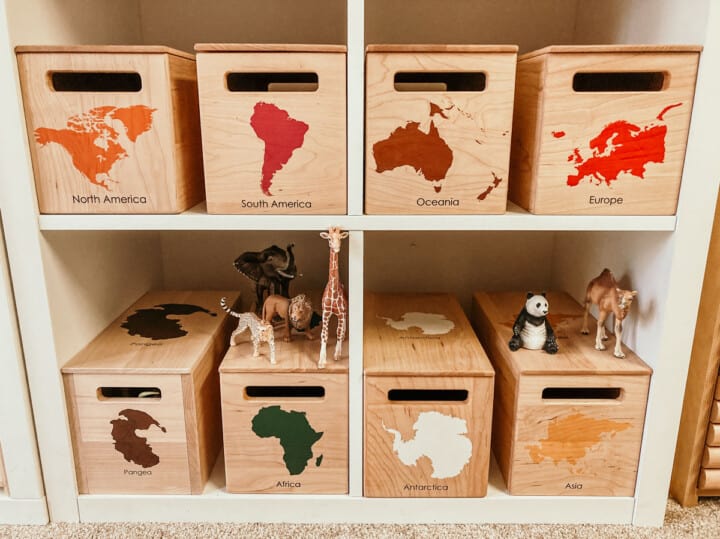
The cards are easy to use, include pictures, and encourage confidence and independence in the kitchen. They also make an excellent addition to your Montessori continent box for Asia.
Montessori Continent Boxes
Explore every continent with these solid maple hardwood boxes.

related recipe!
Masala Veggie Burgers
Made with spiced potatoes and actual vegetables - no fake meat here.

Rajma from Amrikan
Equipment
- Molcajete y Tejolote optional
Ingredients
- 1 cup Doingo Rojo beans or kidney beans, dried, or 2 15-oz cans drained and rinsed
- water as needed
- 2 tablespoon neutral cooking oil
- ½ white onion medium, minced
- 2 Roma tomatoes medium, diced or ½ cup canned crushed
- 1 tablespoon Garam Masala
- 2 teaspoon ground coriander
- 1 teaspoon ground cumin
- ½ teaspoon ground turmeric
- ½ teaspoon Kashmiri red chili powder
- 1 or 2 green cardamom pods
- 1 inch cinnamon stick
- 1 bay leaf
- salt to taste

Instructions
- Cook the Beans: Wash your hands with soap and water. Weigh out the beans. Rinse them with water and add them to your pressure cooker along with water. Secure the lid on the pressure cooker and set it to sealing. Follow your pressure cooker's instructions and cook for approximately 45 minutes on high. Let it sit for 20 minutes. Release the pressure and remove the lid.
- Prep the Onion & Tomatoes: While the beans are in the pressure cooker, prep the onion and tomatoes. Use a child-friendly knife and cutting board to mince the onion and dice the tomatoes. Transfer them to clean bowls.
- Cook the Onion in the Kadai: Add the oil to the kadai and heat over medium-high heat. Add the onion to the kadai and cook for 3 minutes or until the onion starts to take on color.
- Add the Tomatoes: Dump the tomatoes into the kadai and turn the heat down to medium. Cook the mixture, stirring occasionally, for 10 minutes. It should look like the oil is starting to separate out and the tomatoes should appear a little jammy.
- Add the Spices: Use a molcajete as needed to grind any spices. With a measuring spoon or spice spoon, add the garam masala, coriander, cumin, turmeric, and chili powder. Add the cardamom pods, cinnamon stick, and bay leaf to the kadai. Stir everything to combine the ingredients.
- Transfer the Beans to the Kadai: Add the beans and 1 cup of water (or 3 if using canned) to the kadai. Season the rajma with salt. Bring it to a boil over high heat. Once boiling, turn the heat down so that the rajma simmers, covered, for at least 5 minutes if using dried beans and 15 minutes if using canned beans. The beans should be very tender with plenty of sauce. It should not be watery. The sauce will thicken as it cools.
Notes
- Don't leave food sitting out at room temperature for extended periods
- Never leave cooking food unattended
- Use oils with high smoking point to avoid harmful compounds
- Always have good ventilation when using a gas stove
- See more guidelines at USDA.gov.
- Full Lesson Info and Pictures at: https://happyhomeschooladventures.com/rajma
Nutrition
Estimated nutrition information is provided as a courtesy and is not guaranteed.


Leave a Reply